Mobile beekeeping requires a precise alignment of specialized transport vehicles, mechanical loading tools, and efficient labor management. To successfully follow floral blooms, operations must utilize stable vehicle platforms and specialized handling equipment, such as cranes or adapted trailers. Crucially, logistical planning must synchronize the movement of hives—typically occurring at night—with available manpower to ensure rapid transitions and immediate foraging upon arrival.
The core objective of mobile beekeeping logistics is not just relocation, but the preservation of colony energy. By minimizing transition times and physical stress through specialized equipment, you ensure bees can begin foraging immediately at the new site, offsetting high operational costs with continuous production.
Operational Timing and Labor Dynamics
Synchronizing Movement with Bee Behavior
The most critical logistical requirement is timing. Relocation must generally occur at night or after the bees have returned to the hive to ensure the entire colony is transported.
This prevents the loss of foragers and reduces the likelihood of overheating or agitation during transit.
Balancing Labor and Scale
There must be a calculated match between the number of colonies and the available labor force.
Overestimating the number of hives a crew can handle in a single shift leads to delays that extend into daylight hours, risking bee health. Efficient operations scale their mechanical loading equipment directly in proportion to their colony count.
Critical Equipment Specifications
Specialized Transport Vehicles
Standard trucks are often insufficient for professional operations. Mobile beekeeping relies on specialized vehicle platforms or adapted trailers designed to accommodate the specific dimensions of hive stacks.
These vehicles allow beekeepers to overcome the limitations of stationary apiaries by providing the mobility needed to access diverse vegetation across different regions, such as moving from semi-arid inland areas to coastal blooms.
Stability and Vibration Control
Transport equipment must offer high stability to minimize vibrations during long-distance, cross-regional travel.
Excessive vibration causes colony stress and can physically damage the hive structure. Stable transport is essential to protect the queen and larvae, directly impacting the colony’s foraging efficiency immediately after relocation.
Secure Fastening and Ventilation
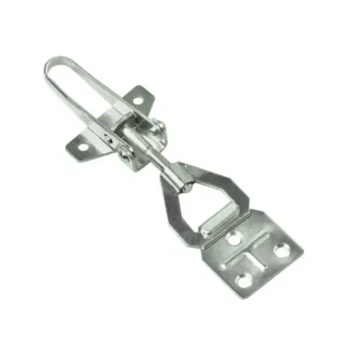
Hives must be secured with fastening devices that maintain high structural integrity under load.
Furthermore, transport equipment must facilitate excellent ventilation. Because hives are often closed during transport, adequate airflow is non-negotiable to prevent suffocation and maintain colony survival rates.
Mechanical Handling and Loading
Efficiency via Machinery
To shorten transition times, manual lifting is often replaced or augmented by mechanical cranes, forklifts, or specialized loading tools.
These tools enable the fast loading and unloading of heavy hives, which is essential for ensuring the bees are placed in the new floral source area before dawn.
Reducing Physical Impact
Mechanical loading does more than save human labor; it prevents mechanical damage and colony disturbance.
Rough handling agitates bees and disrupts the hive's internal organization. Smooth mechanical transitions ensure the colony remains calm, allowing for immediate orientation and nectar gathering at the new location.
Understanding the Trade-offs
The Cost of Mobility
While mobile beekeeping maximizes honey production by tracking blooms like lychee or mustard, it introduces high transportation costs.
To offset these expenses, the equipment chosen must maximize colony utilization. If the logistics are inefficient, the increased yield may not cover the cost of fuel, vehicle maintenance, and specialized machinery.
Exposure to Environmental Risks
Frequent movement increases the colony's exposure to new environments, including predator habitats.
However, high-mobility equipment also offers a mitigation strategy. It allows beekeepers to quickly relocate production units to safer areas when high predation pressure is detected, a flexibility not available to stationary apiaries.
Making the Right Choice for Your Goal
To optimize your mobile beekeeping operation, align your logistical choices with your specific production targets:
- If your primary focus is Maximum Honey Yield: Invest in heavy-duty mechanical cranes and large-capacity trailers to minimize transition downtime and capture peak blooming periods.
- If your primary focus is Colony Health and Survival: Prioritize vehicles with advanced suspension systems and ventilation modifications to reduce transit stress on the queen and larvae.
True success in mobile beekeeping comes from viewing your transport equipment not just as vehicles, but as a life-support system that bridges the gap between floral sources.
Summary Table:
| Requirement Category | Key Equipment/Strategy | Primary Benefit |
|---|---|---|
| Transport | Specialized trailers & stable vehicle platforms | Minimizes vibration & protects colony integrity |
| Handling | Mechanical cranes, forklifts & loading tools | Reduces labor strain & shortens transition times |
| Safety | Secure fastening & ventilation systems | Prevents colony suffocation & structural damage |
| Logistics | Nighttime movement & labor synchronization | Ensures all foragers are moved & reduces heat stress |
| Risk Management | Rapid relocation mobility | Allows quick escape from high predation areas |
Elevate Your Commercial Apiary with HONESTBEE
Maximize your honey yield and minimize operational downtime with professional-grade equipment. At HONESTBEE, we specialize in supporting commercial apiaries and distributors with a comprehensive wholesale portfolio.
Whether you need specialized hive-making and honey-filling machinery to streamline your production or high-durability beekeeping tools and consumables to withstand the rigors of mobile beekeeping, we provide the industrial-strength solutions your business demands.
Ready to scale your operation? Contact us today to explore our wholesale machinery and equipment and see how our global supply chain can benefit your business.
References
- Nebojša Nedić, S. Hopić. Economic justification of honey production in Serbia. DOI: 10.2298/jas1901085n
This article is also based on technical information from HonestBee Knowledge Base .
Related Products
- Plastic Transporting Bee Packages and Nuc Boxes for Beekeeping
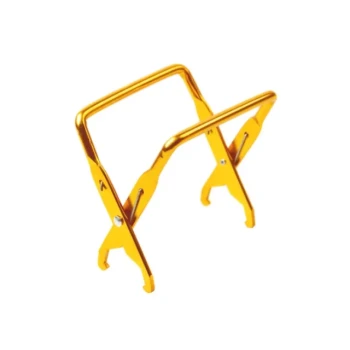
- Lightweight Aluminum Frame Grip
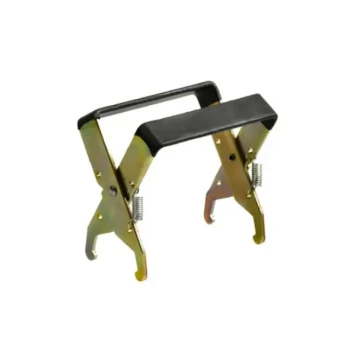
- Durable Galvanized Steel Frame Grip
- Durable Plastic Interlocking Hive Connector for Beekeeping
- Professional 600D Oxford Cloth Beekeeping Tool Bag with 8 Pockets and Elastic Loops
People Also Ask
- What role do bee package boxes play in the commercial transport and expansion of honeybee colonies? - Logistic Essentials
- What are beekeeping boxes called? A Guide to Hive Bodies and Box Types
- How do standardized bee packages serve as a recovery mechanism for commercial beekeeping? Ensure Business Continuity
- What is the commercial value of using standardized bee packages? Drive Scalability in Large-Scale Apiaries
- Why is the timely introduction of high-quality bee packages critical? Save Your Apiary from Asian Hornet Invasions