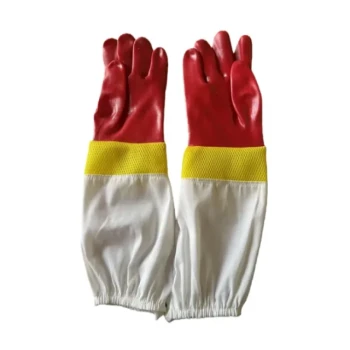
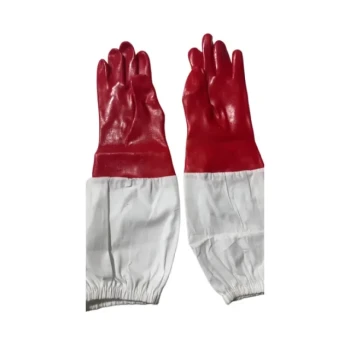
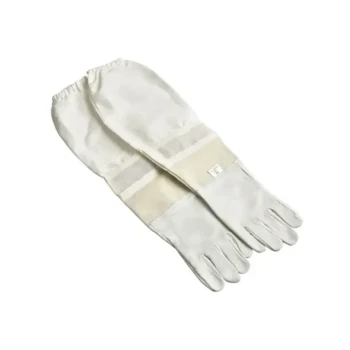
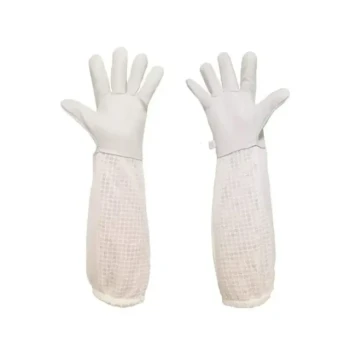
The essential features of beekeeping gloves are a snug fit for dexterity, extended gauntlets for forearm protection, and integrated ventilation for comfort. Unlike beekeeping suits, which are designed to be roomy, gloves must fit tightly to ensure they do not slide off the wrist, while still providing the coverage necessary to prevent bees from crawling up your sleeves.
The ideal beekeeping glove achieves a difficult balance: it must be thick enough to offer confidence and protection against stings, yet thin enough to preserve the tactile sensitivity required to manipulate hive frames without crushing bees.
Critical Design Features
Extended Gauntlets
The most distinguishing feature of a quality beekeeping glove is the gauntlet.
These long cuffs extend up the arm to cover the forearm and elbow. This design is critical for creating a seal with your suit sleeves, preventing bees from finding a gap to crawl inside your clothing.
Snug Fit and Retention
While your jacket or suit should hang loosely to keep fabric away from your skin, your gloves must fit securely.
A snug fit ensures the glove does not slide off or shift while you are lifting heavy boxes or prying frames. Look for gloves equipped with elastic bands at the top of the gauntlet to hold the material firmly in place against your arm.
Integrated Ventilation
Beekeeping is hot work, and hands are prone to sweating inside thick materials.
Quality gloves often feature ventilated gauntlets made of mesh panels. This allows for airflow near the wrists, significantly reducing heat and moisture buildup compared to solid leather or canvas gauntlets.
Material and Dexterity
The Thickness Factor
The material of the glove—typically leather, cotton, or synthetic—dictates your safety and capability.
Thick materials provide a robust barrier against stings, which is vital for beginners. However, the material must be flexible enough to allow for the intricate hand movements needed to inspect the hive.
Tactile Sensitivity
Excessive thickness can become a liability if it dulls your sense of touch.
You need enough sensitivity to feel the frames and avoid clumsy movements that might agitate the colony. Nitrile gloves are becoming a popular alternative for those prioritizing sensitivity over heavy-duty armor.
Understanding the Trade-offs
Breathability vs. Vulnerability
While ventilated gloves offer superior comfort in hot climates, they introduce a structural weakness.
The mesh panels used for airflow are not as durable as solid leather and can be a point of entry for stings. If you choose ventilated gloves, you are trading maximum durability and invulnerability for necessary cooling.
Protection vs. Clumsiness
Heavier gloves offer peace of mind, but they can reduce your dexterity.
Thick leather gloves may make you feel safe, but they can lead to accidental bee deaths due to a lack of tactile feedback. Conversely, thinner gloves or nitrile options offer excellent control but punish mistakes with stings more readily.
Making the Right Choice for Your Goal
Selecting the right gloves depends on your experience level and your local environment.
- If your primary focus is maximum protection: Prioritize thick leather gloves with long, solid gauntlets and strong elastic bands to ensure a sting-proof barrier, even if it limits fine motor control.
- If your primary focus is precision and dexterity: Opt for thinner leather or nitrile options that allow you to handle frames gently, accepting a slightly higher risk of stings for better hive management.
- If your primary focus is working in high heat: Choose gloves with ventilated mesh gauntlets to prevent overheating, but remain vigilant about the potential for stings through the mesh area.
Ultimately, the best glove is one that fits snugly enough to work efficiently while covering enough ground to keep you confident.
Summary Table:
| Feature | Key Benefit | Ideal For |
|---|---|---|
| Extended Gauntlets | Seals gaps between suit and glove | Preventing bees from crawling up sleeves |
| Snug Fit/Elastic | Ensures glove stays in place | Heavy lifting and prying hive frames |
| Ventilated Mesh | Increases airflow and reduces sweat | Working in high-temperature environments |
| Thick Leather | Maximum sting resistance | Beginners and handling aggressive colonies |
| Nitrile/Thin Leather | High tactile sensitivity | Precision hive management and queen handling |
Elevate Your Beekeeping Operation with HONESTBEE
Are you a commercial apiary owner or a distributor looking for high-quality, durable gear? HONESTBEE specializes in the wholesale supply of professional-grade beekeeping tools, machinery, and essential consumables.
From protective gloves with superior dexterity to advanced honey-filling machines and specialized hive-making hardware, we provide the full spectrum of equipment needed to scale your business. We also offer honey-themed cultural merchandise to help you expand your brand's reach.
Partner with HONESTBEE today for reliable wholesale solutions.
Related Products
- Beekeeping Gloves Goatskin Leather with Long Cotton Sleeve for Beekeepers
- Heavy Duty Red Rubber Beekeeping Gloves with Vented Mesh Cotton Sleeves
- Heavy Duty Red Rubber Beekeeping Gloves with Extended Pure Cotton Sleeves for Beekeepers
- Goatskin Leather Beekeeper Gloves with Vent Long Sleeve for Beekeeping Honey Bee Sting Proof Protection
- Premium Ventilated Goatskin Beekeeping Gloves with Full 3-Layer Mesh Sleeve
People Also Ask
- What are the characteristics of the best gloves for beekeeping? Choose Protection & Dexterity
- What are the primary purposes of using beekeeping gloves? Protect Your Hands and Ensure Apiary Hygiene
- What types of gloves are available for beekeeping? Choose the Right Protection for Your Hive
- Why is it important for beekeepers to wear gloves? Essential Safety and Confidence for Hive Management
- Why do some experienced beekeepers opt not to wear gloves? Discover the Benefits of Tactile Precision