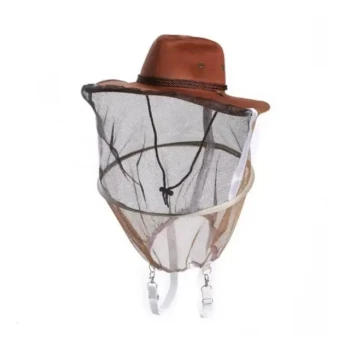
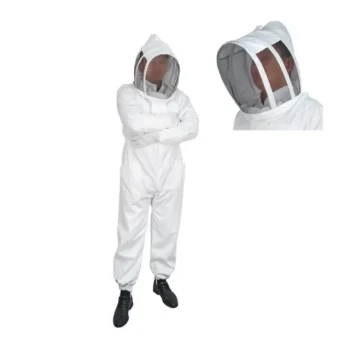
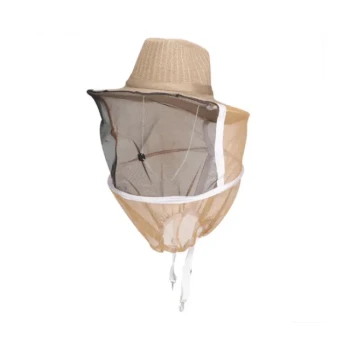
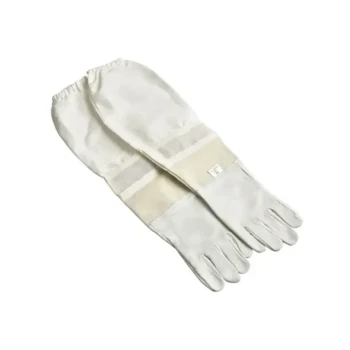
The single most critical piece of equipment for any beekeeper is head protection, specifically a helmet and veil. While a full-body suit is not strictly mandatory for every situation, shielding the face—particularly the eyes, nose, and lips—is non-negotiable due to the intense pain and danger of stings in these sensitive areas. For comprehensive safety, especially for beginners, this headgear is best paired with gloves, a protective jacket or suit, and boots that effectively seal the ankles.
While experience allows for some flexibility in clothing, the biology of the honeybee dictates that protecting your head and face is the absolute priority. Bees naturally target carbon dioxide sources—your breath—making a veil the one item you cannot work without.
The Non-Negotiable: Head and Face Protection
The primary reference indicates that while full suits are optional for some, the helmet and veil are essential. Understanding why this is the case is key to safe beekeeping.
The Biological Target
Bees possess specialized receptors on their antennae designed to detect carbon dioxide (CO2).
Because mammals exhale CO2, bees perceive your breath as a potential threat, similar to a bear attacking a hive.
This biological mechanism drives them to investigate and defensively target the source of the CO2: your face.
The Helmet and Veil
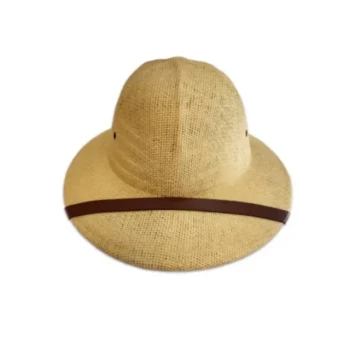
A sturdy helmet provides the structure to keep the mesh veil away from your skin.
The veil acts as the primary barrier, preventing bees from reaching the eyes, nose, and mouth.
Even experienced beekeepers who forego other gear rarely work without this face protection.
Torso and Limb Protection
Beyond the face, you must protect the rest of your body to prevent stings during hive inspections.
Jackets and Full Suits
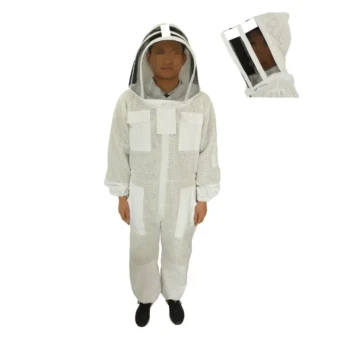
A protective jacket or a full coverall suit shields the arms and torso.
This layer protects everyday clothing from dirt and creates a barrier against stings when the colony is disrupted.
For beginners, a full suit is highly recommended to ensure maximum confidence.
Leg and Ankle Security
Bees have a tendency to crawl upwards when they land on clothing.
This makes the gap between your pants and footwear a major vulnerability.
High-top boots (like rain or work boots) or specialized boot bands are essential to seal this gap and protect your ankles.
Understanding the Trade-offs: Hand Protection
One of the most debated pieces of gear in beekeeping is the glove. You must balance the need for armor against the need for precision.
The Protection vs. Dexterity Conflict
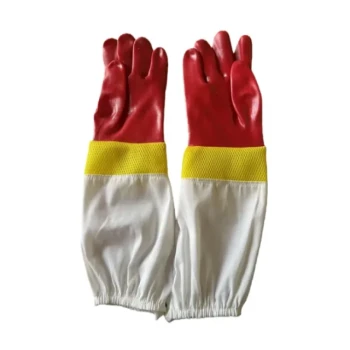
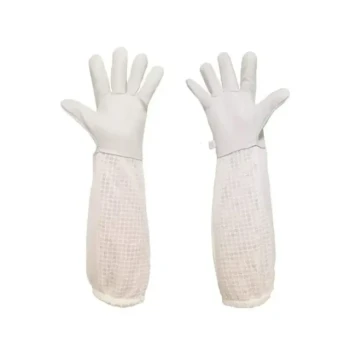
Thick gloves, often made of leather with long gauntlets, provide a tough barrier against stings.
However, they significantly reduce your tactile sensation and manual dexterity.
The Risk of Clumsiness
Wearing thick gloves can make it difficult to handle frames gently.
If you accidentally crush a bee due to lack of feeling, the hive may become agitated and more aggressive.
Many beekeepers start with thick gloves but transition to thinner options as they learn to move more deliberately.
Making the Right Choice for Your Experience Level
Selecting the right gear depends largely on your comfort level around bees and the specific task at hand.
- If you are a beginner: Opt for a full suit, a veil, and thick gloves to maximize protection, as minimizing fear allows you to work calmly without releasing stress signals.
- If you are performing a quick inspection: A protective jacket with an attached veil and ankle protection is often sufficient, provided you move gently.
- If you prioritize precision: Consider using thinner gloves or wrist protectors to improve your handling of frames, reducing the chance of accidentally crushing bees.
The best protective gear is the set that makes you feel safe enough to remain calm, as nervous behavior can trigger the defensive instincts of the hive.
Summary Table:
| Gear Type | Essentiality | Key Function | Recommended For |
|---|---|---|---|
| Helmet & Veil | Critical | Protects face and eyes from CO2-seeking bees | All experience levels |
| Full Body Suit | High | Provides full-body barrier against stings | Beginners & aggressive hives |
| Gloves | Moderate | Protects hands; balances armor vs. dexterity | Beginners (thick), Pros (thin) |
| Boots/Bands | High | Prevents bees from crawling up legs | All beekeepers working on ground |
Elevate Your Apiary Safety with HONESTBEE
As a commercial apiary or distributor, your success depends on the safety and efficiency of your operations. HONESTBEE provides a comprehensive wholesale catalog of premium beekeeping tools, from professional-grade protective suits and heavy-duty gloves to advanced hive-making and honey-filling machinery.
We don't just supply hardware; we empower your business with a full spectrum of industry consumables and honey-themed cultural merchandise. Contact us today to discuss our wholesale offerings and discover how our high-quality equipment can streamline your production and protect your team.
Related Products
- Premium Cowboy Beekeeper Hat with Visibility Veil Outdoor Professional Beekeeping Protective Gear
- Premium Cotton Beekeeper Suit with Reinforced Fencing Veil
- White Cotton Beekeeping Jacket and Veil for Bee Keepers
- Beekeeping Gloves Goatskin Leather with Long Cotton Sleeve for Beekeepers
- Beekeeping Jacket with Hood and Veil for Beekeepers
People Also Ask
- What design features contribute to the stability and fit of the beekeeper hat? Key Features for Maximum Hive Safety
- How is the beekeeper hat designed for comfort and practicality? Explore Key Features for Enhanced Apiary Safety
- What is the general protective gear recommendation for new beekeepers? Your Essential Beginner's Safety Guide
- How does beekeeping protective gear facilitate the queen bee selection process? Enhancing Precision in Queen Breeding
- What should beekeepers consider when choosing protective gear? A Guide for Maximum Safety & Comfort