Specialized protective clothing and gloves serve as the primary line of defense for environmental hygiene in a honey extraction laboratory. Their fundamental purpose is to isolate the food product from human-borne contaminants and prevent foreign matter from entering the processing chain, ensuring the integrity of the honey.
Core Takeaway In a laboratory setting, protective gear is not just about worker safety; it is a critical contamination control measure used to protect the honey from the human operator, ensuring the final product meets strict commercial food safety regulations.
The Role of Protective Gear in Hygiene
Isolating Human-Borne Contaminants
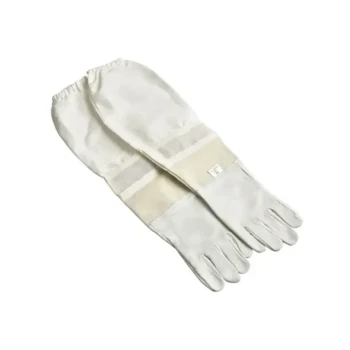
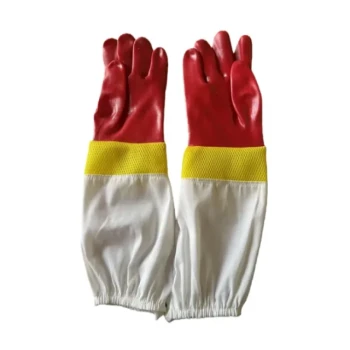
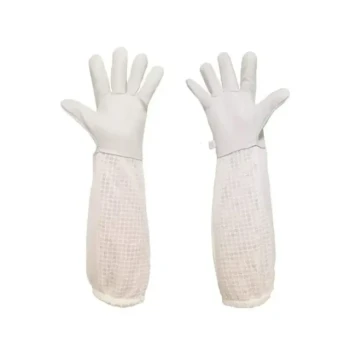
The primary function of specialized clothing and masks is to create a physical barrier between the operator and the honey.
This effectively isolates human-borne contaminants, such as hair, skin cells, or respiratory droplets, preventing them from coming into contact with the product.
Preventing Foreign Matter Entry
Beyond biological contaminants, this equipment prevents non-biological foreign matter from entering the food processing chain.
Everyday clothing can shed lint, dust, or fibers; specialized laboratory gear contains these potential pollutants to maintain high-purity standards.
Regulatory and Operational Standards
Ensuring Commercial Compliance
Honey extraction is a food manufacturing process that is subject to rigorous oversight.
Using specialized protective consumables is a mandatory step for complying with strict commercial food safety regulations.
Maintaining Environmental Integrity
The use of gloves and masks contributes to the overall hygiene of the facility environment.
By standardizing what enters the clean zone, laboratories can ensure a consistent, safe production process.
Common Pitfalls to Avoid
Misunderstanding the Direction of Protection
A common mistake is assuming protective gear in a lab is solely to keep the worker clean from sticky honey or wax.
While it does offer this benefit, the critical priority is food safety; prioritizing worker comfort over containment efficiency can compromise the product.
Neglecting the Consumable Nature of Gear
Protective items like gloves and masks are effective only when they are intact and clean.
Treating these items as permanent fixtures rather than consumables can lead to cross-contamination if they are not changed or cleaned regularly.
Making the Right Choice for Your Goal
To maintain a professional honey extraction laboratory, you must select gear that aligns with your specific operational focus.
- If your primary focus is Product Purity: Prioritize gear that offers maximum isolation of hair and skin to prevent biological contamination of the honey.
- If your primary focus is Regulatory Compliance: Ensure all gloves, masks, and clothing are explicitly rated for food processing to meet commercial inspection standards.
Protective clothing is the physical evidence of your commitment to producing a safe, high-quality food product.
Summary Table:
| Feature | Primary Function | Benefit to Honey Production |
|---|---|---|
| Physical Barrier | Isolates hair, skin, and fibers | Prevents biological and foreign contamination |
| Regulatory Rating | Meets food-grade standards | Ensures compliance with commercial safety laws |
| Disposable Nature | Prevents cross-contamination | Maintains a sterile processing environment |
| Clean Zone Control | Standardizes lab entry protocols | Protects the overall hygiene of the facility |
Elevate Your Honey Processing Standards with HONESTBEE
At HONESTBEE, we understand that commercial success in beekeeping depends on purity and precision. We cater specifically to commercial apiaries and distributors, providing a comprehensive wholesale range of high-quality lab consumables, honey-filling machines, and hive-making equipment. Whether you are scaling your extraction laboratory or stocking essential protective gear to meet food safety regulations, our expert team is here to support your growth.
Ready to professionalize your honey production? Contact HONESTBEE today for specialized tools and equipment
References
- Arianna Pignagnoli, Aldo Dal Prà. Carbon Footprint of Honey in Different Beekeeping Systems. DOI: 10.3390/su131911063
This article is also based on technical information from HonestBee Knowledge Base .
Related Products
- Goatskin Leather Beekeeper Gloves with Vent Long Sleeve for Beekeeping Honey Bee Sting Proof Protection
- Stainless Steel Beekeeping Honey Extractor Lid
- Acrylic Lid Beekeeping Honey Extractor for Beekeepers
- Conical Nylon Honey Strainer Filter Bag for Beekeeping and Honey Filtration
- Professional Stainless Steel Pry-Bar Hive Tool
People Also Ask
- What are the characteristics of goatskin beekeeping gloves? Enhance Dexterity and Protection in Your Apiary
- Why is it important to have gloves available even if not always worn? Essential Risk Management for Beekeepers
- What are the primary purposes of using beekeeping gloves? Protect Your Hands and Ensure Apiary Hygiene
- Why do some experienced beekeepers opt not to wear gloves? Discover the Benefits of Tactile Precision
- Why is it important for beekeepers to wear gloves? Essential Safety and Confidence for Hive Management