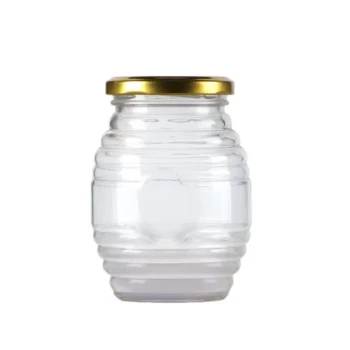
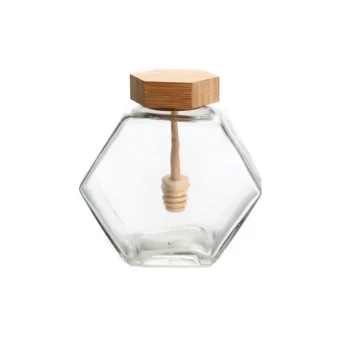
Selecting the right food-grade honey bottle is a strategic decision that balances preservation with consumer utility. To ensure product integrity, you must prioritize containers that provide an airtight seal to prevent oxidation and moisture absorption, while simultaneously selecting designs and capacities that align with specific usage scenarios, such as daily household consumption or premium gifting.
Core Insight: Honey is hygroscopic, meaning it naturally absorbs moisture from the air, which can lead to fermentation and spoilage. Therefore, the primary function of your packaging is to act as an impermeable barrier against humidity and external odors, preserving the honey’s original enzyme activity and flavor profile.
Protection Against Environmental Degradation
Combating Moisture and Oxidation
The most critical technical requirement for honey packaging is the ability to create a hermetic seal. Because honey is susceptible to oxidation and moisture intake, the bottle must isolate the contents from the external environment.
Failure to seal the product effectively leads to increased water content. This triggers fermentation, causing the honey to spoil and lose its commercial value.
Material Inertness
You must select food-grade materials that are non-porous and chemically inert. Whether using glass or plastic, the material must not react with the honey or leach chemicals into it.
This ensures the honey retains its authentic aroma and prevents it from absorbing foreign odors from the storage environment.
Enhancing Usability and Marketability
Dispensing Mechanics
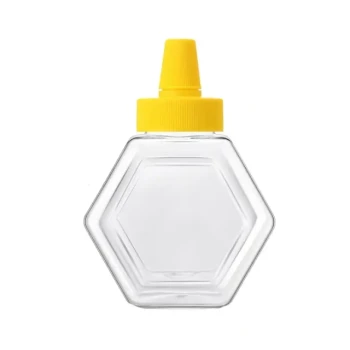
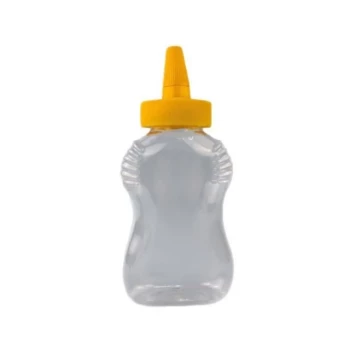
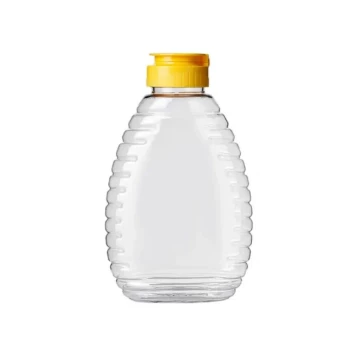
Modern consumers value convenience, making the dispensing mechanism a key differentiator. Squeezable designs, typically paired with flip-top caps, allow users to control flow and minimize mess.
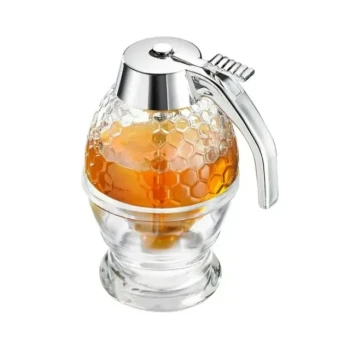
For thicker honey or everyday convenience, consider "upside-down" bottle designs. These ensure the honey is always ready at the cap, reducing the frustration of waiting for viscous liquids to flow.
Visual Transparency
High-transparency packaging serves a dual purpose: it creates shelf appeal and builds consumer trust. Buyers prefer to visually assess the color, clarity, and crystallization state of the honey before purchasing.
Capacity and Design Versatility
Your packaging strategy should include various capacities to meet diverse needs. Smaller, intricate designs work well for gift-giving, while larger, ergonomic bottles suit household staples.
Distinctive shapes, such as the classic "honey bear," maximize brand recognition, particularly among families with children.
Understanding the Trade-offs: Glass vs. Plastic
Glass: The Premium Standard
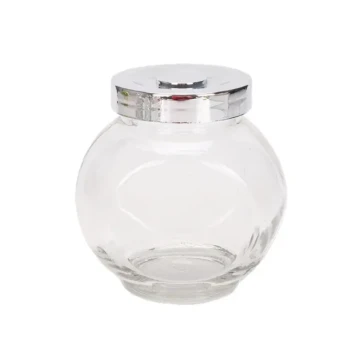
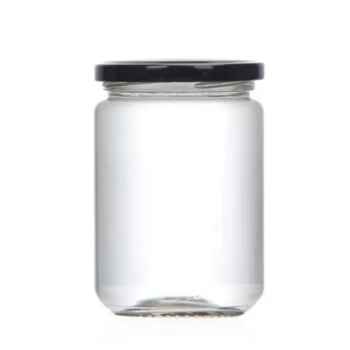
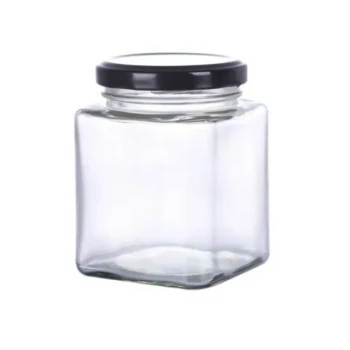
Glass is the superior choice for high-end or artisanal honey. It is completely impermeable, infinitely recyclable, and offers an elevated tactile experience that justifies a higher price point.
However, glass is heavy and fragile. This increases shipping costs and the risk of breakage during distribution, making it less ideal for high-volume, low-margin logistics.
Plastic: The Practical Choice
Food-grade plastic (like PET or LDPE) excels in durability and flexibility. These bottles are lightweight, which significantly lowers distribution costs, and their squeezable nature offers superior user control.
The trade-off is perception and longevity. While durable, plastic generally lacks the "premium" feel of glass and provides a slightly less effective barrier against oxygen over extremely long storage periods compared to a metal-sealed glass jar.
Making the Right Choice for Your Goal
To select the optimal packaging, you must align the material properties with your specific market positioning.
- If your primary focus is premium positioning and sustainability: Choose wide-mouth glass jars to signal quality and preserve flavor integrity indefinitely.
- If your primary focus is consumer convenience and daily use: Opt for squeezable plastic bottles (LDPE or PET) with flip-top caps to reduce mess and improve handling.
- If your primary focus is logistics and cost-efficiency: Select lightweight plastic containers to minimize shipping weight and eliminate breakage risks.
Ultimately, the best packaging safeguards the biological integrity of the honey while removing friction from the consumer's experience.
Summary Table:
| Feature | Glass Bottles | Plastic Bottles (PET/LDPE) |
|---|---|---|
| Barrier Quality | Superior (Oxygen/Moisture) | Good (Slightly lower over long-term) |
| Durability | Fragile (Risk of breakage) | High (Flexible and shatterproof) |
| User Convenience | Heavy; typically wide-mouth | Lightweight; squeezable designs |
| Brand Perception | Premium & Artisanal | Practical & Modern |
| Logistics Cost | Higher (Weight & Protection) | Lower (Lightweight & Durable) |
Elevate Your Honey Brand with HONESTBEE
Choosing the right packaging is just the beginning. HONESTBEE empowers commercial apiaries and distributors with high-performance beekeeping tools, specialized honey-filling machinery, and a diverse range of premium food-grade containers. Whether you need durable hardware or retail-ready consumables, our wholesale solutions are designed to scale your operations and protect your product's integrity.
Ready to optimize your packaging process?
Contact Us Today to Explore Our Full Catalog
References
- Enggar Utari, Mahrawi Mahrawi. Program Peningkatan Produksi Dan Kualitas Packaging Madu Peternak Lebah Tradisional Banten Dalam Meningkatkan Penjualan. DOI: 10.23960/jpkmt.v2i1.21
This article is also based on technical information from HonestBee Knowledge Base .
Related Products
- Food Grade Plastic Honey Bucket Pail for Beekeeping
- Plastic Honey Gate Spout with Wing Nut for Beekeeping Honey Bucket
- Honeycomb Style Drip Free Honey Dispenser
- Hexagonal Squeeze Honey Bottle with No Drip Lid
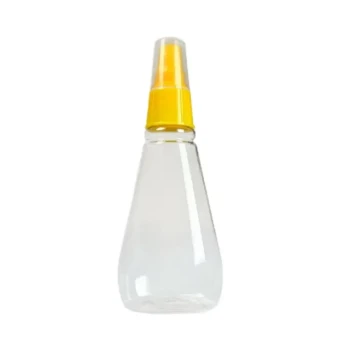
- Premium PET Squeeze Honey Bottle with Ergonomic Grip and Rotary Dispenser
People Also Ask
- What key operational precautions should be taken when using honey buckets and extractors fitted with bottom drain taps?
- What functions do food-grade honey buckets perform? Safeguard Your Harvest and Optimize Apiary Logistics
- Why are food-grade plastic buckets preferred for honey? Protect Quality with Modern Honey Collection Tools
- What is the significance of food-grade plastic honey collection buckets? Boost Quality in Forest Honey Logistics
- What is a honey pail? The Essential Container for Protecting Your Honey's Value