Bald-faced hornets build large aerial paper nests and feed primarily on insects, making bee colonies a potential target. Their nests are formed from chewed wood fibers mixed with saliva and are often basketball-sized by peak summer, housing a large defensive colony. Around apiaries, risk management requires a layered approach: locate and monitor nests, protect hive entrances, use appropriately positioned traps, and ensure beekeepers wear full protective equipment during inspections.
The safest strategy is layered defense rather than a single device: reduce hornet pressure around the apiary, restrict access to hive entrances, and protect personnel with properly fitted suits and gloves.
How Bald-Faced Hornets Nest
Aerial paper nests
Bald-faced hornets construct enclosed aerial nests from harvested wood fibers. The fibers are chewed into pulp, combined with saliva, and formed into a layered paper-like shell.
Nests are commonly suspended in exposed locations such as trees, shrubs, under eaves, and other elevated structures. Their large, rounded appearance makes mature nests easier to identify from a distance.
Nest growth through summer
The colony becomes more active and defensive as the season progresses. By peak summer, a mature nest may reach basketball size and contain thousands of hornets, according to the primary reference.
For apiary operators, this seasonal growth matters because a small, overlooked nest can become a significant perimeter hazard later in the season.
Defensive behavior near the nest
Bald-faced hornets defend the nest aggressively when it is approached or disturbed. Routine apiary work should therefore include a visual survey of nearby trees, buildings, fencing, and other elevated structures before equipment is moved or colonies are opened.
Do not rely on ordinary bee clothing alone when inspecting a suspected hornet nest. Nest removal or treatment should be handled by appropriately trained pest-control personnel using procedures suitable for defensive stinging insects.
How Bald-Faced Hornets Feed
Predatory insect feeding
Bald-faced hornets are meat-eating predators that actively hunt insects. They may capture insects near vegetation, hive entrances, and bee flight paths.
This creates two risks for apiaries: hornets can prey on individual worker bees, and their presence can increase defensive pressure around colony entrances.
Hunting near bee colonies
Predatory hornets may first capture individual bees near entrance cracks, landing boards, or flight paths. Sustained activity can concentrate predators at hive entrances, where workers are easier to intercept.
The supplementary reference describes a broader hornet attack pattern in three stages:
- Hunting: capturing individual bees near hive entrances or flight paths.
- Slaughtering: gathering at the entrance and killing worker bees.
- Occupation: entering the hive to rob nectar and brood.
These phases are described primarily for predatory Vespa species, so they should not be assumed to occur identically in every bald-faced hornet situation. However, the progression is useful for planning apiary surveillance and escalation procedures.
Why colony pressure matters
Repeated attacks can disrupt worker traffic, reduce foraging activity, and weaken a colony’s ability to defend its entrance. In severe cases involving aggressive predatory hornets, colony losses can be substantial.
The practical warning sign is not merely seeing one hornet. It is repeated hornet activity concentrated around one or more hive entrances.
Deploying Apiary Safety Equipment
Start with a perimeter survey
Before inspecting colonies, survey the apiary perimeter for aerial nests and observe hornet activity around hive entrances. Record locations, time of day, affected colonies, and whether hornets are intercepting bees in flight.
This information helps distributors and beekeepers match equipment to the actual risk instead of deploying the same protection uniformly across every hive.
Use hive entrance barriers
Entrance hardware can reduce the opportunity for larger hornets to enter a colony. Suitable options include:
- Entrance guards
- Guard boards
- Queen gates
- Wire entrance screens or cages
- Other physical entrance barriers
These devices should be installed so that honey bees retain a workable passage while larger predators are restricted. They must not block normal bee traffic, create overheating, or interfere with routine colony inspection.
Entrance barriers are most useful when combined with monitoring. A barrier that is clogged, poorly fitted, or too restrictive can create a new stressor for the colony.
Add traps carefully
Hornet traps can reduce predator numbers around an apiary. The supplementary reference identifies lure or poison bait traps using fermented honey-water mixtures as one control option.
Trap placement is critical. Traps should be positioned away from hive entrances and major bee flight lines to limit the risk of attracting bees or contaminating areas where bees forage. Any toxic bait must be used strictly according to its label and applicable regulations.
Traps are a pressure-reduction tool, not a substitute for protective clothing or entrance defenses.
Consider mechanical deterrents
Apiary flap systems and similar mechanical deterrents may be used to discourage hornets from approaching hive entrances. Their suitability depends on colony layout, maintenance requirements, and whether the system disrupts normal bee movement.
Trial the equipment on a limited number of colonies first. Confirm that bees can enter and exit normally before expanding deployment across the apiary.
Protect the beekeeper
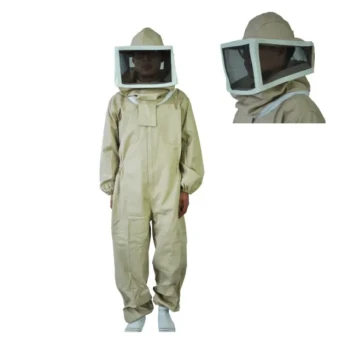
During perimeter checks and hive inspections, use full-body protective beekeeping suits, veils, and heavy gloves. Clothing should be intact, properly sealed, and appropriate for the expected level of hornet activity.
Equipment selection should account for fit, ventilation, visibility, dexterity, and replacement availability. For commercial operations, maintaining spare suits, gloves, and consumable components supports rapid response when equipment is damaged or contaminated.
A Layered Apiary Response
Low activity: monitor and document
When only occasional hornets are observed, increase inspection frequency and check nearby structures for nests. Use standardized records so staff can identify whether activity is increasing or shifting toward particular colonies.
This stage is also appropriate for checking entrance screens, guards, traps, and protective clothing before the risk becomes urgent.
Concentrated activity: protect entrances
When hornets repeatedly patrol hive entrances, deploy physical entrance protection on affected colonies. Use traps or mechanical deterrents where appropriate, while ensuring that devices do not attract bees or obstruct colony traffic.
Prioritize colonies showing the greatest pressure rather than treating equipment deployment as a purely uniform exercise.
Nest confirmed: escalate safely
A confirmed nest near the apiary should be treated as a personnel-safety issue as well as a colony-protection issue. Keep unnecessary personnel away, avoid disturbing the nest, and use trained professionals for removal or treatment.
Hive inspections should be postponed or minimized if conditions make hornet encounters likely. Protective equipment reduces sting exposure but does not make deliberate nest disturbance safe.
Understanding the Trade-offs
Physical barriers can stress colonies
Entrance guards and screens may restrict hornets, but an incorrectly sized or poorly installed barrier can also slow honey bees, trap debris, or reduce ventilation.
Select equipment that matches the hive design and inspect it regularly. The objective is selective access, not simply making the entrance as small as possible.
Traps can create non-target risks
Lures may attract unintended insects, including bees, if placed too close to colonies or if the bait is poorly selected. Poison bait introduces additional risks to bees, wildlife, workers, and neighboring properties.
Use traps only under a clear placement and compliance plan. Physical separation from hive entrances is essential.
Protective clothing limits dexterity
Full-body suits and heavy gloves improve sting protection but can reduce fine motor control and increase heat stress. This may affect tasks such as manipulating frames, fitting entrance hardware, or servicing traps.
Schedule demanding work during safer conditions where possible, work methodically, and ensure personnel can communicate and withdraw quickly.
Equipment is not a replacement for management
Safety equipment cannot compensate for poor nest detection, unplanned inspections, or inadequate staff training. It should support a documented response system that includes monitoring, escalation criteria, and professional nest management.
Making the Right Choice for Your Goal
A practical product and deployment program should combine rapid availability, compatible components, and clear operating procedures rather than treating each item as an isolated purchase.
- If your primary focus is beekeeper safety: Supply properly fitted full-body suits, veils, heavy gloves, and replacement protective components, with procedures for perimeter surveys and nest avoidance.
- If your primary focus is colony protection: Prioritize hive entrance guards, queen gates, guard boards, and wire screens that restrict hornet access without obstructing honey bee traffic.
- If your primary focus is reducing hornet pressure: Add correctly positioned lure or bait traps and, where suitable, mechanical deterrents while keeping attractants away from bee flight paths.
- If your primary focus is commercial apiary operations: Standardize inspection records, maintain spare equipment, and use a rapid-response supply partner capable of delivering complete protection packages.
- If your primary focus is confirmed nest management: Isolate the area and engage trained pest-control professionals rather than attempting unprotected nest disturbance.
A layered, well-maintained defense protects both honey bee colonies and the people responsible for managing them.
Summary Table:
| Aspect | Details | Mitigation |
|---|---|---|
| Nesting | Aerial paper nests in trees/eaves; can reach basketball size by summer | Locate and monitor nests; keep distance; professional removal |
| Feeding | Predatory insects; may hunt bees near hive entrances | Observe activity; use entrance guards; traps away from hives |
| Defense | Aggressive when disturbed near nest | Full protective suit; avoid nest disturbance |
| Apiary impact | Reduced foraging, colony weakening | Entrance barriers, traps, mechanical deterrents |
| Personnel safety | Sting risk during inspections | Wear full-body suits, veils, heavy gloves |
| Equipment trade-offs | Barriers may restrict bees; traps may attract non-targets | Select properly; place carefully; compliance with labels |
For a comprehensive solution, consider a layered defense combining monitoring, barriers, traps, and protective gear.
Protect your apiary with comprehensive safety equipment from HONESTBEE.
We supply everything from hive entrance guards and traps to full-body protective suits, designed for beekeepers, distributors, and wholesalers. Our one-stop sourcing, rapid delivery, and dedicated support ensure you get the right gear quickly. For distributors, we offer OEM/ODM support, certifications, and reliable supply to boost your margins.
Contact us today to discuss your needs and get a customized quote!
Related Products
- Professional Grade Foldable Beehive Handles
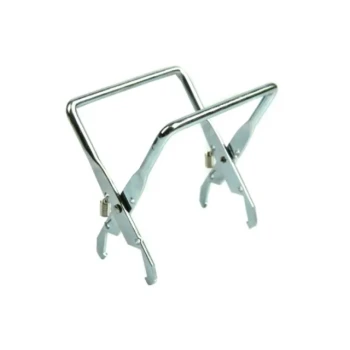
- Durable Galvanized Steel Frame Grip
- Ergonomic Two Person Foldable Hive Lifter
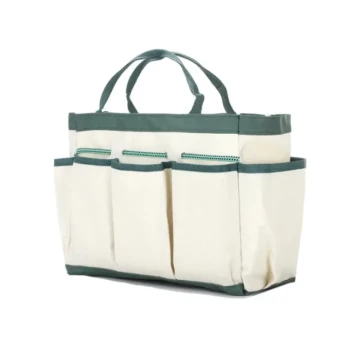
- Professional 600D Oxford Cloth Beekeeping Tool Bag with 8 Pockets and Elastic Loops
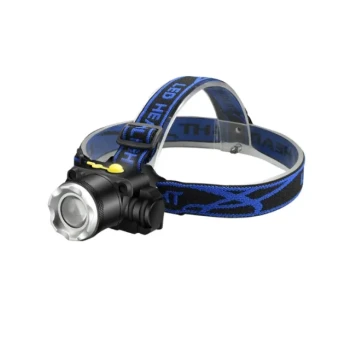
- Professional Rechargeable Beekeeping Headlamp Flashlight with Red Light Mode and Type-C Charging
People Also Ask
- How do bee hive handles facilitate the evaluation of food stores? Use the Lift Test for Winter Survival
- How do hive handling tools and propolis management affect bee colony behavior during routine apiary maintenance? Minimize Disturbance with Precise Techniques
- How do the geometry and dimensions of hive handles influence operational safety and control? Expert Design Insights
- What is a bee hive tool? Discover Why It’s the Most Essential Hand Tool for Every Beekeeper
- What are the common sizes and features of bee hive tools? Choose the Right Tools for Your Apiary