To maintain organic certification standards, beekeepers are required to completely replace the beeswax within the hive every two to three years. This specific timeframe is mandatory to prevent the long-term accumulation of chemical residues and to ensure the final harvest meets strict purity requirements.
Core Insight: Regular beeswax renewal is not merely a maintenance task; it is a critical quality control measure. By enforcing a two to three-year replacement cycle, producers effectively break the cycle of bioaccumulation, preventing environmental toxins and pathogens from compromising the safety of the honey.
The Rationale Behind the Renewal Cycle
Preventing Chemical Accumulation
Beeswax acts as a reservoir for chemical substances. Over time, environmental contaminants and treatment residues can build up within the wax structure.
The mandated two to three-year renewal cycle prevents this buildup from reaching levels that could leach into the honey. This ensures that the harvested product remains free of pesticide residues and meets organic purity criteria.
Mitigating Biological Threats
Beyond chemical safety, aged hive consumables pose a biological risk. Old wax can harbor pathogens and disease spores that threaten colony health.
Regularly swapping out old combs for new organic foundations reduces the risk of pathogen growth. This proactive hygiene practice helps maintain a robust, disease-resistant colony without relying on synthetic antibiotics.
Holistic Hive Purity Standards
Material Integrity
The physical structure of the hive must support the goal of a chemical-free environment. Organic standards dictate that hives be manufactured from natural materials.
To prevent contamination, it is strictly prohibited to treat internal hive surfaces with paints or other chemical agents. This ensures that no foreign substances can migrate from the hive walls into the beeswax or honey.
Certified Organic Inputs
The renewal process relies on the integrity of the replacements. Consumables introduced to the hive—such as wax foundations and feed supplements—must adhere to strict organic certification standards.
Furthermore, pest management must align with this philosophy. Controlling threats like varroa mites requires the use of natural plant essential oils or organic acids (such as formic or oxalic acid) rather than synthetic pesticides.
Common Pitfalls to Avoid
Incomplete Ecosystem Management
Renewing wax is futile if the surrounding environment introduces contaminants. A common mistake is focusing on the wax schedule while neglecting the hive body materials.
Using hives with treated internal surfaces or synthetic paints undermines the wax renewal process. The chemical agents from improper materials will penetrate the new wax, rendering the "organic" status void.
Reliance on Synthetic Treatments
The organic wax cycle is incompatible with conventional chemical treatments. Using synthetic pesticides for mite control contributes immediately to residue accumulation.
Producers must strictly avoid synthetic agents to ensure the wax remains clean enough to last through its two to three-year cycle without becoming a toxic hazard to the bees or the consumer.
Making the Right Choice for Your Goal
To successfully manage organic honeybee production, you must view wax renewal as part of a total system of purity.
- If your primary focus is Regulatory Compliance: Adhere strictly to the 2-3 year complete replacement schedule for all beeswax to meet organic certification mandates.
- If your primary focus is Product Purity: Ensure that all hive inputs, including mite treatments and hive construction materials, are free of synthetic chemicals to prevent cross-contamination of your new wax.
Success in organic beekeeping lies in the discipline of regular renewal combined with a zero-tolerance policy for synthetic inputs.
Summary Table:
| Requirement Category | Organic Standard Specification | Purpose of Compliance |
|---|---|---|
| Renewal Cycle | Every 2 to 3 years (Full Replacement) | Prevents bioaccumulation of toxins & residues |
| Hive Materials | Natural materials; no internal paint/chemicals | Maintains a chemical-free environment |
| Wax Foundations | Must be Certified Organic | Ensures no synthetic carry-over into honey |
| Pest Control | Essential oils or organic acids only | Prevents contamination from synthetic pesticides |
| Pathogen Control | Regular comb swapping | Reduces disease spores and colony threats |
Elevate Your Organic Apiary Standards with HONESTBEE
Maintaining organic certification requires precision, discipline, and the right equipment. HONESTBEE is dedicated to supporting commercial apiaries and distributors with a premium selection of organic-compliant beekeeping tools and machinery.
Whether you need specialized hive-making machines to ensure natural material integrity, precision honey-filling equipment, or a steady supply of certified organic consumables, we provide the full spectrum of hardware and expertise. Our mission is to help you minimize chemical risks and maximize productivity through high-quality professional solutions.
Ready to scale your organic production? Contact our expert team today to discuss wholesale opportunities and custom equipment solutions tailored to your beekeeping enterprise.
References
- Elsa Faugère, Дороте Д Дюсси. О препятствиях на пути “зеленого” пчеловодства во Франции: антропологическая перспектива. DOI: 10.33876/2782-3423/2021-1/138-153
This article is also based on technical information from HonestBee Knowledge Base .
Related Products
- Beeswax Foundation Sheets Beehive Foundation for Wholesale
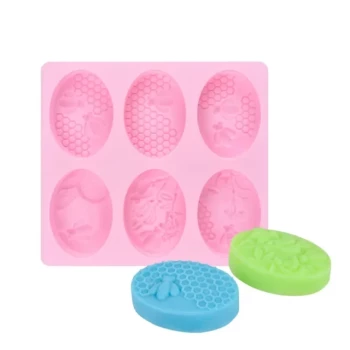
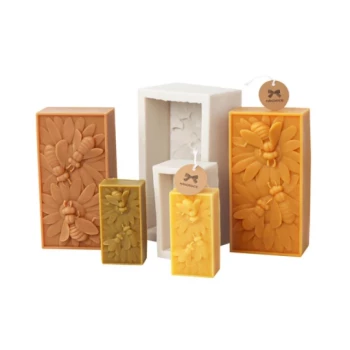
- Colorful Silicone Beeswax Foundation Mold Mould for Beekeeping
- Economy Manual Beeswax Embossing Mill Wax Foundation Machine Roller
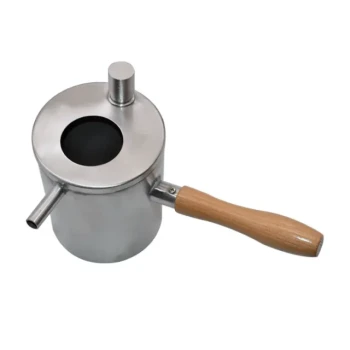
- Beeswax Melter for Candle Making Honey Bee Wax Melter
- Electric Beeswax Flat Sheet Machine with Operating Tray for Wax Processing
People Also Ask
- What are the technical advantages of beeswax foundations and feeding tools? Optimize Your Bee Breeding Phase
- Why is the regular exchange and replacement of beeswax foundations encouraged? Boost Honey Yield & Hive Biosafety
- What are the negative consequences of using old or contaminated beeswax in foundations? Protect Your Hive Today
- Why is high-purity natural beeswax essential for foundations? Prevent Larval Mortality & Boost Colony Health
- What are the specific advantages of regular comb replacement? Boost Hive Health with New Beeswax Foundations