Standardized frame hives fundamentally outperform natural nests in commercial settings because they utilize a detachable frame structure that separates the honeycomb from the hive body. This specific design allows beekeepers to inspect colonies and harvest honey without destroying the hive, resulting in significantly higher yields and the ability to manage bee health proactively.
Core Insight While natural nests are static and often require destruction to harvest, standardized frame hives are modular tools designed for mobility and reuse. They transform beekeeping from a gathering activity into a scalable industry by enabling non-destructive extraction, precise environmental control, and migratory practices to chase peak flowering seasons.
The Mechanics of Production Efficiency
Non-Destructive Harvesting
The primary advantage of the standardized hive is the detachable frame. In a natural tree cavity, harvesting often requires cutting out the comb, effectively destroying the colony's hard work.
With a frame hive, beekeepers can remove individual frames, extract the honey, and return the intact wax comb to the bees. This drastically reduces the energy bees must spend rebuilding combs, allowing them to focus entirely on honey production.
Quantifiable Yield Increases
This structural efficiency leads to a massive disparity in output. Research indicates that modern box hives can achieve significantly higher annual yields compared to traditional methods.
Specifically, modern systems can produce an average of roughly 24.4 kg per hive, whereas traditional hives often yield only around 5.6 kg. This increase is driven by higher recovery rates and the ability to perform periodic, rather than single-event, harvests.
Colony Management and Health
Precision Inspection
Commercial success depends on colony survival. Standardized frames allow beekeepers to physically lift out the brood nest to inspect for health issues.
This accessibility makes it possible to monitor the queen, check for diseases, and manage pests without tearing the hive apart. This level of intervention is impossible in natural nests without causing severe trauma to the colony.
Controlled Environments
Standardized hive boxes are engineered to maintain stable temperature and humidity conditions.
Unlike the variable conditions of a hollow log, these hives provide a scientifically optimized space that insulates the colony. This reduces the metabolic stress on bees, further enhancing their ability to produce honey and survive over winter.
Mobility and Scalability
Facilitating Nomadic Beekeeping
Commercial production often requires moving bees to where the nectar is. Standardized hives are uniform, stackable, and designed for transport.
This mobility allows beekeepers to follow specific flowering periods across geographic regions. For example, colonies can be moved to follow the bloom of Linden trees or deployed rapidly into large industrial plantations like acacia or oil palm forests.
Operational Standardization
Using uniform hive specifications creates economies of scale. It allows for the use of mechanized harvesting equipment and industrial hive-making machines.
Furthermore, standardization supports product traceability. By using a consistent "hardware" system, producers can track output and ensure a stable supply chain for domestic and international trade.
Understanding the Trade-offs
While standardized hives offer superior production metrics, they introduce complexities that natural nests do not.
Management Intensity
Standardized hives are not "set and forget" systems. They require active management, including storage maintenance, frame repair, and the cleaning of movable parts to prevent propolis buildup from jamming the frames.
Capital Investment
Unlike a natural cavity found in the wild, frame hives represent a hardware investment. Achieving the efficiency gains mentioned above requires upfront capital for the hives, extraction machinery, and transport vehicles.
Making the Right Choice for Your Goal
When evaluating hive systems for honey production, align your choice with your specific operational targets:
- If your primary focus is maximizing volume: Prioritize standardized frame hives to leverage the 24.4 kg average yield and the ability to harvest without forcing bees to rebuild wax.
- If your primary focus is migratory production: Utilize standardized boxes to transport colonies efficiently to high-value nectar sources like Linden or Acacia forests.
- If your primary focus is scalability: Adopt uniform hive specifications to enable mechanized processing and ensure consistent product traceability.
The standardized frame hive is the definitive tool for modern apiculture, converting the biological potential of the honeybee into a predictable, manageable, and highly productive commercial asset.
Summary Table:
| Feature | Traditional Natural Nests | Standardized Frame Hives |
|---|---|---|
| Honey Yield (Avg) | Approx. 5.6 kg/year | Approx. 24.4 kg/year |
| Harvest Method | Destructive (comb removal) | Non-destructive (frame reuse) |
| Colony Inspection | Impossible without trauma | Precision health & queen monitoring |
| Mobility | Stationary / Static | Highly portable for nomadic beekeeping |
| Scalability | Low (manual/traditional) | High (mechanized & industrial) |
Scaling Your Apiary for Global Success?
Transitioning from traditional methods to a high-yield commercial operation requires more than just bees—it requires the right infrastructure. HONESTBEE is a leading partner for commercial apiaries and distributors, providing the comprehensive wholesale tools you need to succeed.
From industrial hive-making and honey-filling machines to professional-grade hardware and essential consumables, our portfolio is designed to maximize your production efficiency. Let us help you streamline your workflow and secure your supply chain with our standardized equipment.
Contact HONESTBEE Today to Explore Our Wholesale Solutions
References
- Rida Sultanova, Regina Sazgutdinova. Honey-Bearing Potential of Tilia cordata Mill. Forests in the Southern Urals. DOI: 10.3389/fevo.2022.832442
This article is also based on technical information from HonestBee Knowledge Base .
Related Products
- Wooden Bee Hive Frames for Beekeeping and Wholesale
- Plastic Bee Frame Beekeeping Hive Frames for Wholesale
- Professional Galvanized Steel Frame Rest for Beehives
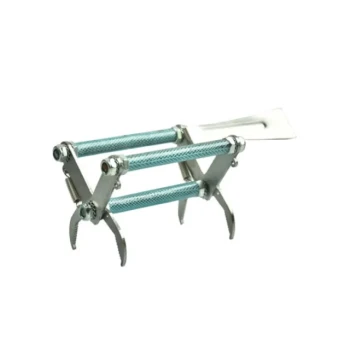
- Professional 3-Bar Frame Grip with Integrated Hive Tool
- Precision Stainless Steel Frame Cleaner for Hive Grooves and Corners
People Also Ask
- How does balancing the number of frames impact hive productivity? Optimize Your Apiary's Biological Output
- How do wooden and plastic hive frames compare in terms of durability? Wood vs. Plastic Longevity & Repairability
- What are the main considerations when choosing between wooden and plastic bee hive frames? Optimize Your Apiary's Efficiency
- How should beehive frames be maintained to prolong their lifespan? 5 Pro Tips for Durable Beekeeping Equipment
- Can I reuse old beehive frames? Save Money and Boost Hive Productivity