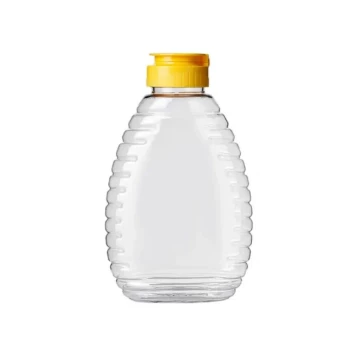
The specific functions of these tools are standardization and biological preservation. The 250 mL PET container is designed to define the sample size, holding exactly 200 to 300 honeybees to ensure statistical validity. The 70% ethanol solution functions as a rapid chemical fixative, penetrating tissue to halt biodegradation and lock in the pathogen status of the sample during transport.
The core objective of this protocol is to deliver a biologically "frozen" snapshot of the hive to the laboratory. The container guarantees you have enough data points for a representative analysis, while the ethanol ensures the genetic material you analyze is identical to what existed in the hive at the moment of collection.
The Function of the 250 mL PET Container
Ensuring Statistical Significance
The volume of the container is not arbitrary; it is a calculated tool for standardization.
A 250 mL capacity is specifically calibrated to accommodate approximately 200 to 300 honeybee individuals.
Eliminating Sampling Bias
Collecting this specific number of bees provides a statistically representative sample of the colony.
By standardizing the container size, you ensure that the sample is large enough to detect pathogens that might be present at low prevalence, rather than relying on a potentially misleading single specimen.
The Function of the 70% Ethanol Solution
Rapid Pathogen Fixation
The primary role of the 70% ethanol is to act as a biological preservative.
Upon immersion, the solution rapidly penetrates the honeybee's body. This process fixes the pathogens in place, essentially stopping their biological clock to prevent changes in their population or state.
Preventing Biodegradation
Transporting biological samples introduces the risk of rot and decay.
The ethanol creates an environment that inhibits microbial growth, preventing the sample from decomposing between the apiary and the lab.
Protecting Genetic Integrity
Beyond physical preservation, the ethanol serves a critical molecular function.
It inhibits enzyme activity that would otherwise break down cellular material. This prevents the degradation of mitochondrial DNA (mtDNA), ensuring the integrity of the genetic material required for accurate molecular experiments.
Critical Constraints and Trade-offs
The Necessity of "Industrial-Grade"
It is important to note that the purity of the ethanol matters.
References suggest the use of industrial-grade ethanol to ensure there are no contaminants that could interfere with sensitive molecular testing.
The Risk of Dilution
The concentration of 70% is a specific functional requirement, not a minimum.
Using a lower concentration may fail to halt enzyme activity quickly enough, leading to DNA degradation. Conversely, higher concentrations can sometimes coagulate proteins too quickly, preventing the alcohol from penetrating deep into the tissues where pathogens reside.
Ensuring Data Integrity for Your Apiary
How to Apply This to Your Project
- If your primary focus is statistical accuracy: Ensure the 250 mL container is filled to the recommended level to guarantee a sample size of 200-300 bees.
- If your primary focus is molecular analysis: Verify that the ethanol covers the sample completely to ensure immediate inhibition of enzymes and preservation of mtDNA.
Adhering to these specific material functions is the only way to guarantee the authenticity of your laboratory detection results.
Summary Table:
| Tool | Primary Function | Key Benefit |
|---|---|---|
| 250 mL PET Container | Standardization | Ensures a statistically valid sample size of 200-300 honeybees. |
| 70% Ethanol Solution | Biological Fixation | Halts biodegradation and prevents the degradation of mitochondrial DNA. |
| Industrial-Grade Quality | Purity Assurance | Eliminates contaminants that could interfere with sensitive molecular testing. |
| Immersion Volume | Full Coverage | Guarantees rapid penetration for immediate enzyme inhibition. |
Secure Your Apiary's Future with Professional Grade Solutions
Maintaining the integrity of your honeybee samples is the first step toward effective pathogen management. At HONESTBEE, we understand the specialized needs of commercial apiaries and distributors. Whether you require high-precision laboratory tools, advanced hive-making machinery, or essential industry consumables, our comprehensive wholesale portfolio is designed to enhance your operational efficiency.
From honey-filling machines to specialized beekeeping hardware and cultural merchandise, we provide the tools that drive success in the modern beekeeping industry.
Ready to elevate your beekeeping operations?
Contact HONESTBEE today for wholesale inquiries and expert support!
References
- Jesús Froylán Martínez-Puc, Flavio Eudaldo Merlo-Maydana. Frecuencia de <i>Varroa destructor, Nosema</i> spp y <i>Acarapis woodi</i> en colonias comerciales de abejas (<i>Apis mellifera</i>) en Yucatán, México. DOI: 10.36610/j.jsaas.2015.020100002
This article is also based on technical information from HonestBee Knowledge Base .
Related Products
- Squeezable No-Drip Beehive-Shaped Honey Jars with Flip-Top Cap
- Classic Beehive Honey Bottle Jar with Squeeze Dispenser Lid
- Premium PET Squeeze Honey Bottle with Ergonomic Grip and Rotary Dispenser
People Also Ask
- What food safety standards must honey containers meet? Expert Guide to Packaging Integrity & Hygiene
- Why is it important to distinguish between weight and volume when selecting honey containers? Maximize Profits Now
- What are the benefits of purchasing honey containers in bulk? Maximize Margins & Secure Your Supply Chain
- What types of containers are ideal for storing liquid honey? Preserve Quality with Glass or Plastic
- How many jars of honey can you get from a hive? Maximize Your Yield with Strong Hive Management