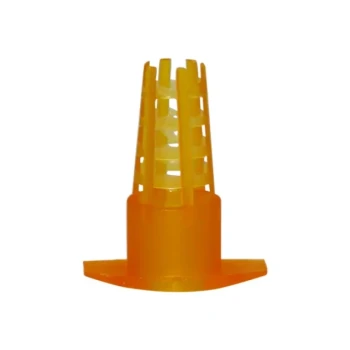
Transporting honey requires strict hygiene protocols and specific physical barriers. To comply with professional standards, you must utilize vehicles maintained in a consistently clean state and equip all beehives with specialized protective covers or devices. These requirements are essential to shield raw honey from environmental exposure during the journey from the apiary to the extraction facility.
The integrity of your harvest depends on establishing a sealed environment during transit. By combining sanitized transport vehicles with specialized hive covers, you create a critical defense system against physical and biological contamination.
Vehicle Maintenance Standards
Professional Sanitation
Transport vehicles must be dedicated professional units capable of maintaining high hygiene standards. The vehicle's cargo area is the first line of defense against external pollutants.
The "Clean State" Requirement
You must maintain the vehicle in a "clean state" at all times. This goes beyond simple organization; it requires ensuring the transport environment is free from residual dirt or potential contaminants.
Hardware and Protective Equipment
Specialized Hive Covers
Beehives cannot be transported open or loosely covered. You are required to equip them with protective covers or specialized protective devices designed specifically for transit.
Configuration for Sealing
This hardware configuration is not optional; it is the primary mechanism for sealing the hives. The equipment must be robust enough to withstand the rigors of transport without failing.
Understanding the Contamination Risks
Blocking Environmental Pollutants
The protective measures serve a specific purpose: to block the ingress of dust and chemical pollutants. These elements can degrade the quality of the honey before it ever reaches the processing line.
Preventing Biological Intrusions
Proper equipment prevents insects from entering the hives and contaminating the product. Furthermore, the covers must shield the hives from moisture, which can alter the honey's composition.
Preserving Pre-Extraction Integrity
The ultimate goal of these requirements is to prevent physical or biological contamination. This ensures the raw honey enters the extraction stage in the same pure condition it left the apiary.
Common Pitfalls to Avoid
Neglecting Chemical Barriers
A common mistake is focusing solely on physical debris while ignoring chemical risks. Standard tarps may not offer sufficient protection against exhaust fumes or road chemicals if they are not specialized devices.
Inconsistent Vehicle Hygiene
Even the best hive covers will fail if the vehicle itself is a source of contamination. Placing sealed hives into a dirty or chemically contaminated truck bed compromises the entire shipment.
Making the Right Choice for Your Operation
To ensure your honey arrives at the extraction facility in peak condition, prioritize your investments based on these operational goals:
- If your primary focus is Physical Purity: Invest in high-grade specialized covers that create an impermeable seal against dust and insects.
- If your primary focus is Regulatory Compliance: Establish a rigorous cleaning schedule for your transport vehicles to maintain the required "clean state."
Compliance in transport is the invisible step that secures the quality of your final product.
Summary Table:
| Requirement Category | Standards & Specifications | Key Function |
|---|---|---|
| Vehicle Hygiene | Dedicated professional units in a constant "clean state" | Prevents cross-contamination and environmental pollution. |
| Hive Protection | Specialized covers or engineered protective devices | Creates a physical seal against dust, moisture, and pests. |
| Environmental Shielding | Robust hardware configuration for transit rigors | Blocks exhaust fumes, road chemicals, and biological intrusions. |
| Integrity Focus | Pre-extraction sealing protocols | Preserves the raw honey's purity from apiary to processing line. |
Maximize Your Honey Quality with HONESTBEE
At HONESTBEE, we understand that professional beekeeping requires precision at every step—from the hive to the extraction facility. We cater to commercial apiaries and global distributors with a comprehensive wholesale offering designed to meet the highest industry standards.
Whether you need specialized hive-making machinery to ensure a perfect seal or high-performance honey-filling machines for your production line, our portfolio covers the full spectrum of beekeeping tools and essential consumables.
Ready to upgrade your commercial operation? Contact us today to discuss your wholesale needs and let HONESTBEE provide the professional-grade equipment and machinery your business deserves.
References
- Christina Handschuch, Antônio Meira Neto. Knowledge and implementation of HACCP-based management systems among small-scale honey producers in Brazil. DOI: 10.3920/jcns2012.x003
This article is also based on technical information from HonestBee Knowledge Base .
Related Products
- Premium Stainless Steel Honey Tank Bucket Pail with Reinforced Handle and Polished Finish
- Food Grade Plastic Honey Bucket Pail for Beekeeping
- Stainless Steel Honey Storage Tank with Lid for Honey
- Professional Honey Filter with Tripod Support Stand
- Professional Plastic Honey Dipper for Easy Honey Drizzling
People Also Ask
- What is the best container for honey? Preserve Purity & Flavor with the Right Choice
- What honey container sizes are recommended for specific commercial use cases? Maximize Your Apiary Profits
- What is the best container to store honey in? Preserve Purity & Flavor for Years
- What container can I put honey in? Choose the Best for Purity & Practicality
- What should be considered when choosing a container for honey to ensure effective sealing? Master Honey Packaging Success