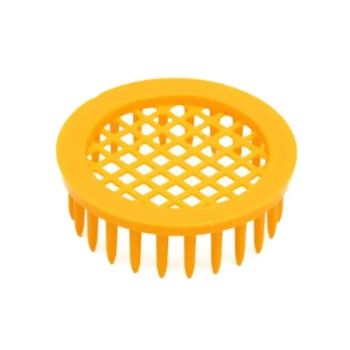
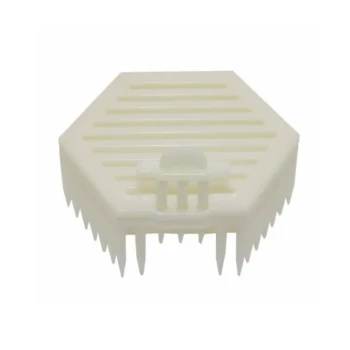
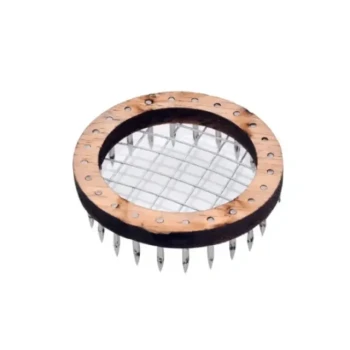
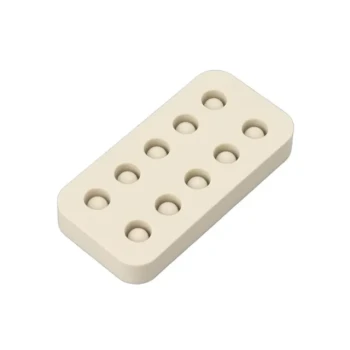
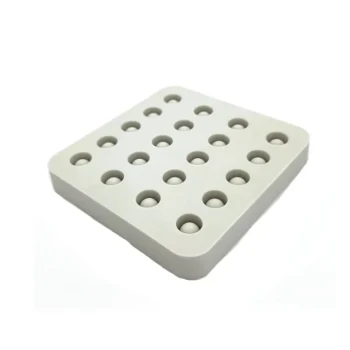
Polystyrene injection-molded egg-laying plates provide a superior standard for experimental consistency in apiculture research. Technically, they outperform traditional wax by offering an inert, chemically stable environment that eliminates the variable of pesticide residue. Additionally, their precision-molded structure ensures physical durability and facilitates rapid data collection, making them indispensable for reliable Queen Monitoring Cages.
By replacing variable wax substrates with inert, precision-molded polystyrene, researchers eliminate contamination risks and structural inconsistencies, ensuring that egg-laying data is both reliable and reproducible.
Ensuring Data Integrity in Laboratory Settings
Elimination of Chemical Contamination
Traditional wax substrates carry a significant risk of harboring pesticide residues absorbed from the environment.
Polystyrene plates are chemically inert, effectively removing this variable from your experiment. This ensures that observed effects on the queen or brood are due to experimental conditions, not background contamination.
Unwavering Structural Stability
Wax cells can deform, melt, or degrade due to temperature fluctuations or physical handling.
Injection-molded polystyrene remains physically stable regardless of environmental changes. This rigidity preserves the integrity of the cell dimensions throughout the duration of the study.
Optimizing Biological Response and Workflow
Precision Biomimicry
The plates feature precision-molded hexagonal cells designed to simulate natural honeycomb structures.
The dimensions of these cells are specifically tailored to trigger the queen bee's natural egg-laying instincts. This ensures that the use of an artificial substrate does not inhibit normal biological behavior.
Efficiency in Data Collection
The standardized design allows for rapid egg counting, which is often difficult and time-consuming with natural comb.
Furthermore, the system allows for quick plate replacement. This efficiency enables high-frequency data collection while minimizing stress and disturbance to the queen.
Understanding the Trade-offs
Synthetic Material Limitations
While polystyrene accurately mimics the geometry of honeycomb, it does not replicate the material properties of natural wax.
Researchers should be aware that while excellent for egg counting, these plates may not be suitable for studies specifically investigating comb-building behavior or wax-specific pheromone interactions.
Making the Right Choice for Your Research
To determine if these plates are the correct tool for your specific Queen Monitoring setup, consider your primary experimental variables.
- If your primary focus is Toxicology or Chemical Sensitivity: Use polystyrene plates to guarantee a baseline of zero pesticide residue, ensuring your toxicity data remains uncorrupted.
- If your primary focus is High-Frequency Data Logging: Leverage the rapid replacement and counting capabilities to increase data points per day without overwhelming the colony.
Transitioning to precision-molded substrates transforms egg-laying monitoring from a variable-heavy art into a reproducible science.
Summary Table:
| Feature | Polystyrene Injection-Molded Plates | Traditional Wax Substrates |
|---|---|---|
| Chemical Stability | Chemically inert; zero pesticide residue risk | High risk of harboring environmental residues |
| Structural Integrity | Rigid; resistant to heat and handling | Prone to melting, deformation, and degradation |
| Data Consistency | Standardized cells for rapid, accurate counting | Variable cell shapes; difficult to count eggs |
| Biological Design | Precision biomimicry of natural hex shapes | Natural but variable construction |
| Primary Use Case | Toxicology and high-frequency data logging | Natural colony behavior and wax pheromone studies |
Scale Your Apiary Operations with HONESTBEE
At HONESTBEE, we specialize in empowering commercial apiaries and distributors with high-performance beekeeping solutions. From precision-molded queen monitoring components and hive-making machinery to specialized honey-filling equipment and industry consumables, we provide the tools you need to transition from variable-heavy traditional methods to reproducible, scientific success.
Why partner with HONESTBEE?
- Comprehensive Wholesale Offering: A complete spectrum of hardware and consumables for large-scale operations.
- Technical Excellence: High-quality machinery designed for durability and precision.
- Market Versatility: We also offer honey-themed cultural merchandise to help diversify your retail portfolio.
Ready to elevate your honey production and research capabilities? Contact us today to explore our wholesale catalog and see how we can optimize your supply chain.
References
- Ashley L. St. Clair, Adam G. Dolezal. Access to prairie pollen affects honey bee queen fecundity in the field and lab. DOI: 10.3389/fsufs.2022.908667
This article is also based on technical information from HonestBee Knowledge Base .
Related Products
- Plastic Long Marker Device for Catching and Marking Bees Queen Bee Marking Tube and Cage
- Durable Plastic Push In Queen Bee Cage
- Clear Black Plain Polystyrene Queen Bee Grafting Cell Cups No Lug for Bee Queen Cup
- Plastic Queen Marking Tube Cage with Plunger for Beekeeping
- Hexagonal Direct Comb Introduction Queen Bee Cage
People Also Ask
- Where on the queen bee's body should the mark be applied? Master the Art of Safe Queen Identification
- What are the primary objectives for marking a queen bee? Master Hive Management and Data Tracking
- Why is the physical marking of a queen bee important? Ensure Precise Colony Replacement Cycle Tracking
- How do you capture and immobilize a bee for marking? Master Safe Queen Handling for Your Apiary
- What are the different methods for applying a mark to a queen bee? Master Safe and Effective Queen Marking Techniques