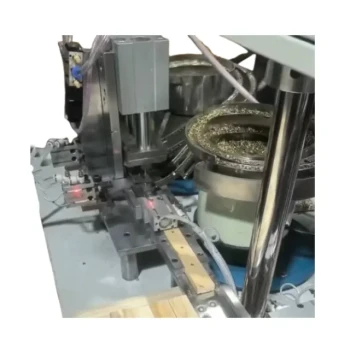
Industrial-grade bee transport machinery and platforms provide the critical mobility and stability required to exploit scattered nectar resources found on large-scale abandoned land. These systems enable the high-efficiency movement of colonies to coincide with specific flowering periods, allowing for flexible deployment that maximizes yield per colony. By automating the logistics of migration, you can transform fragmented landscapes into productive zones while actively promoting ecological restoration through cross-pollination.
The core advantage of industrializing beekeeping logistics is the decoupling of colony health from a single location. By utilizing specialized transport platforms, operators can rapidly shift bees to follow nectar flows without incurring the high mortality rates associated with manual handling, effectively turning abandoned terrain into a sustainable resource.
Optimizing Logistics for Fragmented Landscapes
Strategic Mobility and Nectar Chase
Abandoned lands often feature scattered vegetation rather than uniform monocultures. Industrial transport platforms allow you to rapidly move colonies to follow specific phenological sequences, such as forest blooms or spring herbal nectar flows. This capability transforms the unpredictability of wild vegetation into a structured harvest schedule.
Flexible Deployment Based on Biodiversity
Unlike stationary apiaries, mobile platforms enable precise positioning based on local biodiversity data. This flexibility ensures that colonies are deployed exactly where the floral density is highest, optimizing the carrying capacity of the land. It allows for the exploitation of honey sources across various spatial scales that would be inaccessible to static operations.
Preserving Colony Health During Migration
Minimizing Vibration and Heat Stress
Standard trucks often subject bees to excessive vibration and overheating, which disorients the colony and delays production. Specialized transport platforms are engineered to dampen vibration and provide adequate ventilation. This reduction in physical stress ensures that worker bees retain their energy and orientation.
Immediate Foraging Response
Because stress is minimized during transit, bees can begin foraging almost immediately upon arrival at a new site. This "zero-downtime" deployment is critical when targeting short-duration blooms on abandoned land. It ensures the colony captures the peak nectar flow rather than spending days recovering from the move.
The Role of Standardization in Scalability
Ensuring Structural Integrity
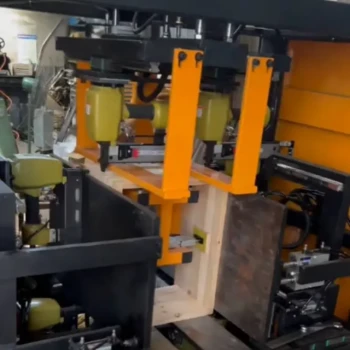
While the transport vehicle provides mobility, the durability of the hive itself is paramount during transit. Industrial-grade hive-making machinery ensures high-precision manufacturing, resulting in tightly sealed structures. These standardized hives maintain their integrity under the physical strain of long-distance relocation and varying climatic conditions.
Hardware Interchangeability
For large-scale operations, the ability to swap components between colonies is essential. Precision-manufactured hive parts guarantee complete interchangeability across different apiaries. This standardization facilitates efficient inspections and overwintering management, reducing the logistical complexity of managing thousands of hives across vast, abandoned territories.
Understanding the Trade-offs
High Initial Capital Expenditure
Transitioning to industrial platforms requires significant upfront investment in specialized vehicles and manufacturing equipment. This cost must be weighed against the projected increase in honey yield and pollination contracts. Small-scale operations may find the ROI timeline too long to justify the expense.
Terrain Accessibility Limitations
While the machinery is mobile, it is still bound by the accessibility of the abandoned land. Heavy transport platforms require varying degrees of road infrastructure. If the abandoned land features extreme topography or lacks basic access paths, the theoretical advantage of mobility is negated by physical barriers.
Maintenance Complexity
Industrial machinery introduces a new layer of technical maintenance. Beyond caring for the biological needs of the bees, the operation must now maintain hydraulic systems, vehicle drivetrains, and precision woodworking machinery. Failure in any mechanical system can halt the migration, potentially causing the colony to miss a critical nectar window.
Making the Right Choice for Your Goal
To maximize the potential of abandoned land, align your equipment choice with your specific operational focus:
- If your primary focus is maximizing honey yield: Prioritize transport platforms with advanced suspension and ventilation systems to ensure bees forage immediately upon arrival.
- If your primary focus is operational scalability: Invest in industrial hive-making machinery first to ensure all equipment is standardized and durable enough for frequent migration.
- If your primary focus is ecological restoration: select lighter, more agile transport platforms that can access difficult terrain without damaging the recovering vegetation.
Industrializing your logistics transforms beekeeping from a passive agricultural activity into a dynamic, precision-managed operation capable of revitalizing unused land.
Summary Table:
| Feature | Advantage | Impact on Operations |
|---|---|---|
| Strategic Mobility | Rapid deployment to nectar flows | Maximizes yield per colony |
| Climate Control | Integrated ventilation & dampening | Reduces colony stress and mortality |
| Standardization | High-precision hive manufacturing | Ensures durability and part interchangeability |
| Operational Speed | Zero-downtime foraging | Allows bees to forage immediately on arrival |
| Scalability | Automated logistics & maintenance | Enables management of thousands of hives |
Scale Your Beekeeping Operation with HONESTBEE
Maximize the productivity of your commercial apiary by investing in the industry's most reliable equipment. HONESTBEE specializes in catering to commercial apiaries and distributors with a comprehensive wholesale offering designed for growth.
Our Value to You:
- Precision Machinery: From high-capacity hive-making machines to automated honey-filling systems.
- Logistics Solutions: Durable hardware built to withstand the rigors of industrial-scale bee transport.
- Full Spectrum Supply: A one-stop shop for all essential beekeeping tools, machinery, and industry consumables.
Ready to transform your logistics and increase your honey yield? Contact us today to discuss your wholesale needs and let HONESTBEE empower your business growth.
References
- Sergey Paramonov, Mark A. Alexandrov. Approaches to the Development of Beekeeping on Post-Agricultural Lands in the North-West Federal District of the Russian Federation. DOI: 10.17816/phf321961
This article is also based on technical information from HonestBee Knowledge Base .
Related Products
- Plastic Transporting Bee Packages and Nuc Boxes for Beekeeping
- HONESTBEE 72 Frame Industrial Electric Honey Extractor for Beekeeping
- Automatic Honey Filling and Filtering Machine for Beekeeping Bottle Filling
- Stainless Steel Queen Grafting Tool for Beekeeping and Bee Queen Grafting
- Professional Queen Bee Introduction and Transport Cage
People Also Ask
- What role do bee package boxes play in the commercial transport and expansion of honeybee colonies? - Logistic Essentials
- What are beekeeping boxes called? A Guide to Hive Bodies and Box Types
- How do standardized bee packages serve as a recovery mechanism for commercial beekeeping? Ensure Business Continuity
- What is the commercial value of using standardized bee packages? Drive Scalability in Large-Scale Apiaries
- Why is the timely introduction of high-quality bee packages critical? Save Your Apiary from Asian Hornet Invasions