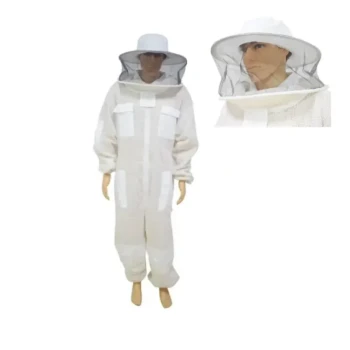
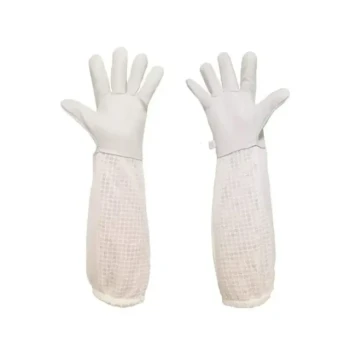
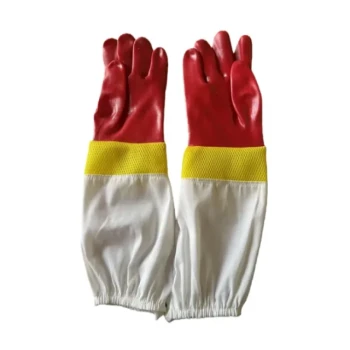
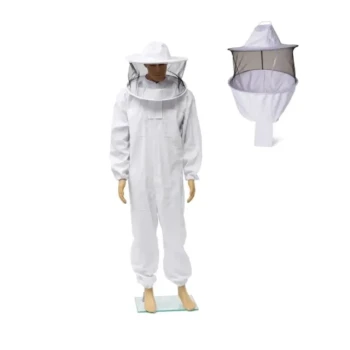
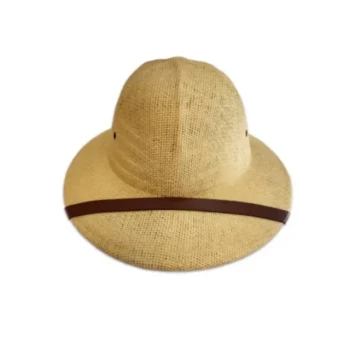
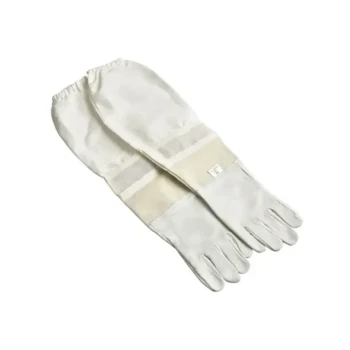
The primary technical advantage of three-layer mesh gear is the decoupling of protection from insulation. Unlike traditional cotton suits that rely on thick, stifling fabric to stop stings, three-layer mesh provides a "depth barrier" that prevents stingers from reaching the skin while maintaining an open structure for maximum breathability.
Core Takeaway: Three-layer mesh gear solves the critical trade-off between safety and physiology. It utilizes a physical depth barrier to neutralize stings mechanically, while its porous architecture allows for evaporative cooling, significantly reducing the risk of heat exhaustion during extended apiary work.
Solving the Thermal Regulation Challenge
The most dangerous aspect of beekeeping is often not the bees, but the environment. Working in direct sunlight in protective gear can lead to dangerous heat stress.
Maximizing Airflow
The specialized mesh construction allows air to circulate freely around the beekeeper's body.
This constant circulation facilitates the evaporation of sweat, which is the body's primary cooling mechanism.
Reducing Heat Exhaustion
By preventing heat buildup inside the suit, the mesh design directly reduces the risk of heat exhaustion.
This technical feature allows beekeepers to perform inspections in high-temperature environments that would be unsafe or intolerable in solid-fabric suits.
The Mechanics of Sting Protection
While traditional suits rely on fabric density, three-layer mesh relies on structural depth.
The Depth Barrier
The gear provides high-level sting protection by creating a physical gap between the outer surface and your skin.
Because the thickness of the three layers exceeds the length of a bee's stinger, the stinger cannot physically penetrate deep enough to inject venom into the skin.
Comprehensive Physical Barrier
This structure acts as a comprehensive physical barrier.
It ensures that safety is not compromised for the sake of comfort, offering a secure shield against bee attacks even during agitated hive situations.
Operational Efficiency for Professionals
The shift to ventilated gear has technical implications for the scalability of beekeeping operations.
Enabling Industrial Scale
The enhanced comfort allows beekeeping to transition from small-scale domestic activities to professional, industrial-grade operations.
Beekeepers can endure the physical demands of the job for longer periods, enabling the management of larger apiaries.
Continuous Workflow
With reduced physical stress and thermal load, professionals can work efficiently and continuously across multiple sites.
This removes the "endurance cap" placed on beekeepers by heavy, non-ventilated clothing.
Understanding the Trade-offs: Suits vs. Jackets
While the material technology is superior, choosing the right form factor involves a trade-off between coverage and mobility.
Mobility vs. Total Coverage
Beekeeping jackets are engineered for greater ease of movement and are generally cooler than full suits due to increased airflow from the open bottom.
However, they sacrifice lower-body protection, making them less suitable for aggressive hives where leg protection is critical.
The "Quick Inspection" Role
Jackets are technically optimized for quick beehive inspections.
They allow for rapid deployment and removal, making them ideal for routine checks where the time investment of donning a full suit is inefficient.
Making the Right Choice for Your Goal
Selecting the correct gear depends on the intensity of your operation and the specific tasks you are performing.
- If your primary focus is prolonged work in high heat: Prioritize a full three-layer mesh suit to maximize cooling while ensuring total body protection against aggressive colonies.
- If your primary focus is speed and mobility: Choose a ventilated mesh jacket, which offers sufficient upper-body protection for quick inspections while reducing bulk.
Ultimately, three-layer mesh technology transforms protective gear from a stifling safety necessity into a performance-enhancing tool that extends your working capacity.
Summary Table:
| Feature | Traditional Cotton Suits | Three-Layer Mesh Gear |
|---|---|---|
| Protection Method | Fabric thickness/density | Structural depth barrier (mechanical) |
| Breathability | Low (traps heat) | High (360° airflow) |
| Sting Resistance | High, but penetrable if tight | Superior (exceeds stinger length) |
| Thermal Regulation | Risk of heat exhaustion | Facilitates evaporative cooling |
| Ideal Use Case | Cold climates / Low activity | Professional apiaries / High heat |
Elevate Your Apiary Operations with HONESTBEE
At HONESTBEE, we specialize in empowering commercial apiaries and distributors with professional-grade solutions. Our high-performance three-layer ventilated suits are just the beginning. From industrial hive-making and honey-filling machinery to a complete range of beekeeping tools and consumables, we provide the hardware and support necessary to scale your business.
Ready to upgrade your equipment or stock your distribution line? Contact us today to explore our wholesale offerings
Related Products
- Three-Layer Ventilated Beekeeper Suit with Structured Fencing Veil
- Premium Three Layer Ventilated Bee Suit with Round Veil
- Premium Ventilated Goatskin Beekeeping Gloves with Full 3-Layer Mesh Sleeve
- Vented Beekeeping Jacket with Hood and Veil for Beekeepers
- Beekeeping Jacket with Hood and Veil for Beekeepers
People Also Ask
- What material and design specifications are recommended for a high-quality beekeeper suit? Top Gear Selection Guide
- What are the characteristics of a specific ventilated beekeeper's suit? Advanced Cooling & Protection for Beekeepers
- What are the advantages of a ventilated bee suit? Stay Cool and Protected During Hive Inspections
- How do ventilated bee suits improve comfort? Beat the Heat with Superior Airflow Design
- What is the primary advantage of ventilated beekeeping clothing? Stay Cool and Focused in the Apiary