The utilization of sealed water bags in beehive climate control offers a distinct technical advantage by leveraging the high specific heat capacity of water to stabilize temperatures without compromising the hive's moisture balance. These systems function as sensible heat storage media, absorbing solar energy during the day and releasing it via convection and radiation at night. Crucially, the sealed architecture prevents evaporation, thereby protecting the wooden hive structure from corrosion and maintaining stable humidity levels.
Core Insight Sealed water bags solve the "humidity vs. thermal mass" conflict inherent in hive management. They allow you to introduce a high-density thermal buffer to regulate diurnal temperature swings without introducing the moisture that leads to structural decay and colony stress.
Leveraging High Thermal Inertia
The Efficiency of Specific Heat
Water possesses a high specific heat capacity, making it an exceptionally efficient medium for sensible heat storage.
This property allows the water bags to absorb significant amounts of thermal energy without undergoing rapid temperature spikes. It acts as a thermal flywheel, dampening the impact of external weather volatility on the colony.
Managing the Diurnal Cycle
The technical operation of these bags relies on a passive, cyclical exchange of energy.
During the day, the water absorbs solar energy, effectively "charging" the storage medium. As ambient temperatures drop at night, this stored energy is released steadily through convection and radiation, warming the hive environment when the colony needs it most.
Protecting the Hive Ecosystem
Eliminating Humidity Fluctuations
A critical technical benefit of the sealed design is the containment of the liquid medium.
Open water sources inside a hive inevitably lead to evaporation, which causes unpredictable humidity spikes. By sealing the water, the system provides thermal regulation while keeping the internal hygrometric parameters stable.
Preventing Structural Corrosion
Wooden hive structures are highly susceptible to degradation when exposed to constant moisture.
The sealed bags prevent water vapor from saturating the wood, directly mitigating the risk of moisture-induced corrosion. This extends the operational lifespan of the hive hardware while maintaining a safe environment for the bees.
Understanding the Trade-offs
Dependence on Solar Input
As a passive sensible heat storage solution, this system is heavily reliant on external energy sources.
The bags must absorb solar energy during the day to function effectively at night. In prolonged periods of overcast weather or low solar gain, the thermal buffering capacity will be significantly reduced.
Passive vs. Active Control
It is important to recognize that this is a stabilization method, not a precision heating system.
The release of heat via convection and radiation is dictated by temperature gradients, not a thermostat. While it effectively smooths out extremes, it cannot force the hive to a specific, static temperature point.
Making the Right Choice for Your Goal
This technology is best applied when you need a low-maintenance, passive buffer against temperature swings that respects the material integrity of the hive.
- If your primary focus is Temperature Stabilization: Implement sealed water bags to flatten the curve of daily temperature highs and lows using the high specific heat of water.
- If your primary focus is Structural Preservation: Choose sealed bags over open thermal masses to eliminate evaporation risks and prevent moisture-induced corrosion of the wooden hive.
By isolating the thermal mass from the hive atmosphere, you achieve climate control that is both effective and non-intrusive.
Summary Table:
| Feature | Technical Benefit | Impact on Hive Management |
|---|---|---|
| Specific Heat Capacity | High sensible heat storage | Acts as a thermal flywheel to dampen temperature spikes. |
| Sealed Architecture | Zero evaporation | Prevents internal humidity spikes and structural wood corrosion. |
| Energy Exchange | Passive diurnal cycling | Absorbs solar energy by day; releases heat via convection at night. |
| Material Integrity | Moisture containment | Extends hive lifespan by avoiding water vapor saturation. |
Maximize Your Apiary's Productivity with HONESTBEE
Maintaining the perfect climate is critical for colony health and hive longevity. At HONESTBEE, we specialize in supporting commercial apiaries and distributors with high-quality beekeeping tools and advanced machinery.
Whether you need specialized hardware like hive-making machines, honey-filling equipment, or a reliable supply of industry consumables, we provide the full spectrum of wholesale solutions tailored to your professional needs.
Ready to upgrade your beekeeping operations? Contact us today to discover how our comprehensive portfolio and technical expertise can provide the value your business deserves.
References
- M. A. Al-Rajhi. Warming Beehives with Solar Energy Stored in Water. DOI: 10.19159/tutad.1126564
This article is also based on technical information from HonestBee Knowledge Base .
Related Products
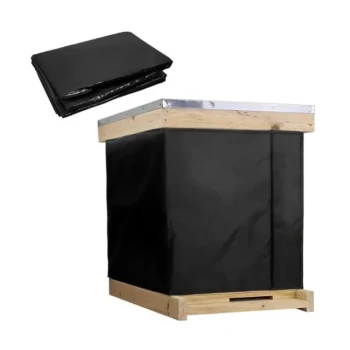
- Professional Insulated Winter Hive Wrap for Beekeeping
- Classic Glass Honey Jar with Metal Lug Cap for Beehive Storage
- Professional Insulated Plastic Bee Hives
People Also Ask
- What are the steps to properly wrap a beehive for winter? Ensure Your Colony Survives the Cold
- When is the best time to wrap a beehive for winter? A Guide to Perfect Winterization Timing
- How do professional insulation wraps provide protection for bee colonies? Optimize Winter Survival & Energy Efficiency
- What are the technical benefits of using winter wraps for beehive insulation? Boost Colony Survival & Hive Health
- What are the benefits of using insulated covers for hives? Ensure Colony Survival and Health