Forest environments introduce significant complexity compared to standard open-air apiaries, primarily due to aggressive biological factors and microclimatic variance. To mitigate risks such as wildlife interference and pest infestations, you must utilize equipment with superior weather resistance, specialized defensive hardware, and robust logistical machinery.
Core Takeaway While open-air settings allow for standard management, forest environments require a fortified approach. Success depends on upgrading from standard wooden ware to high-durability materials and employing specialized infrastructure like elevated stands and anti-ant devices to isolate colonies from the complex ecosystem floor.
Analyzing the Forest Environment Challenges
Wildlife Interference
In open fields, hives are generally safe from large predators, but forests are active ecosystems. Interference from wildlife is a primary technical challenge, requiring physical barriers that are not typically necessary in agricultural settings.
Intense Pest Infestations
The forest floor is a dense habitat for insects that compete with or prey on bee colonies. Pest infestations, particularly from ants, are significantly more aggressive in these environments than in managed pastures.
Variable Weather Conditions
Forest canopies create distinct microclimates that trap moisture and alter airflow. Equipment must withstand variable weather conditions that can lead to rapid material degradation, unlike the consistent drying effects found in open-air placements.
Critical Equipment Requirements
Enhanced Durability and Weather Resistance
Standard hive materials often fail under the humid, shaded conditions of a forest. Beekeeping equipment must possess high weather resistance and physical durability to prevent rot and structural failure over time.
Specialized Foundation Hardware
You cannot simply place hives on pallets as you might in a field. Hive stands are essential to elevate the colony above the damp ground and away from immediate ground-level threats.
Integrated Defense Mechanisms
To combat the high density of crawling pests, your setup requires anti-ant devices. These mechanical barriers are critical for preventing colonies from being overrun by forest-dwelling insects.
Transport and Logistics Machinery
Accessing deep forest sites is rarely possible with standard vehicles. Transport machinery is a strict requirement to move heavy hives and equipment safely through complex terrain to the colonization site.
Understanding the Trade-offs
Protection vs. Accessibility
Forest placements offer bees diverse forage, but they complicate access for the beekeeper. The need for transport machinery indicates that quick, frequent inspections are more difficult and costly than in open-air settings.
Equipment Cost vs. Lifespan
Investing in weather-resistant gear and specialized stands increases initial capital expenditure. However, using standard equipment in a forest will lead to rapid depreciation and potential colony loss due to environmental exposure.
Making the Right Choice for Your Goal
- If your primary focus is rapid scalability: Stick to open-air settings where standard equipment suffices and transport machinery is not required.
- If your primary focus is utilizing forest forage: Invest heavily in hive stands, anti-ant devices, and durable materials to ensure colony survival against local pests and damp conditions.
Success in forest beekeeping is not defined by the bees, but by the resilience of the hardware protecting them.
Summary Table:
| Feature | Open-Air Settings | Forest Environments |
|---|---|---|
| Pest Pressure | Low to Moderate | High (Ants, Forest Insects) |
| Wildlife Risk | Low | High (Large Predators) |
| Microclimate | Consistent / Dry | Humid / Variable |
| Equipment Needs | Standard Wooden Ware | Weather-Resistant / Fortified |
| Logistics | Standard Vehicle Access | Specialized Transport Machinery |
| Foundation | Ground Pallets | Elevated Hive Stands |
Maximize Your Apiary's Resilience with HONESTBEE
Transitioning to forest beekeeping requires more than just standard gear—it demands industrial-grade durability. HONESTBEE specializes in supporting commercial apiaries and distributors by providing a comprehensive range of high-performance beekeeping tools and machinery.
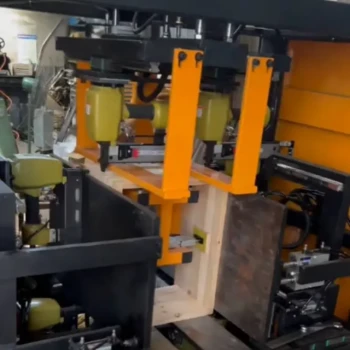
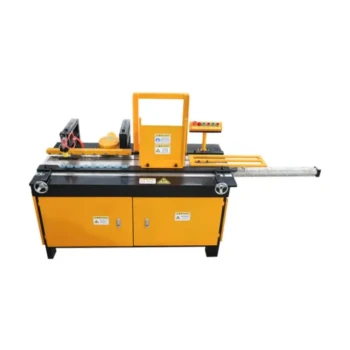
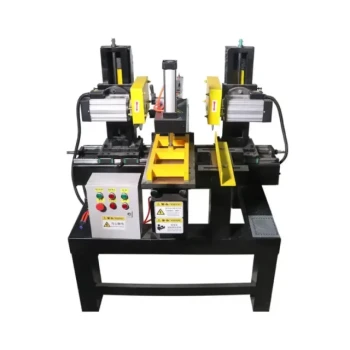
Whether you need specialized hive-making machines for custom forest-ready hardware, honey-filling machines for your harvest, or robust transport equipment to navigate complex terrain, we deliver the professional solutions you need to scale.
Ready to upgrade your wholesale supply? Contact us today to discover how our premium equipment and industry consumables can protect your investment and boost your operational efficiency.
References
- Kata Wagner, Paul Cross. Sticky business - Why do beekeepers keep bees and what makes them successful in Tanzania?. DOI: 10.1016/j.jrurstud.2019.01.022
This article is also based on technical information from HonestBee Knowledge Base .
Related Products
- High-Efficiency Pneumatic Bee Hive Making Machine for Rapid Box Assembly
- Automatic High-Speed Bee Hive Box Stapling Machine
- Beehive Handle and Frame Rest Cutting Machine: Your Specialized Hive Machine
- Beehive Machine Double End Saw for Precision Hive Component Manufacturing
- Mini Desktop Bee Hive Frame Forming Making Machine
People Also Ask
- How does the introduction of professional beehive-making machinery benefit sustainable beekeeping? Scale Your Apiary
- Why is specialized beehive-making machinery critical for low-defense breeding? Enhance Selection with Precision Tools
- How does the introduction of specialized beehive making machinery contribute to increasing the scale of regional beekeeping industries?
- What is the importance of specialized beehive making machinery in a circular bio-economy? Build Local Sustainability
- Why is specialized beehive-making machinery essential? Scale Your Apiary with Precision Industrial Standards