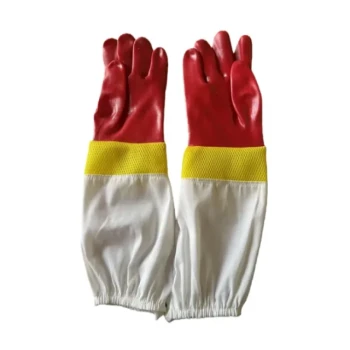
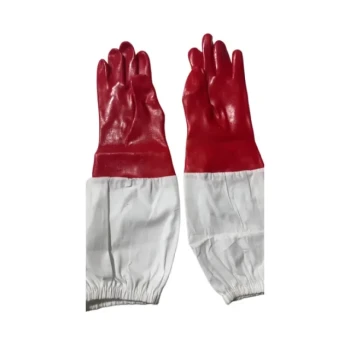
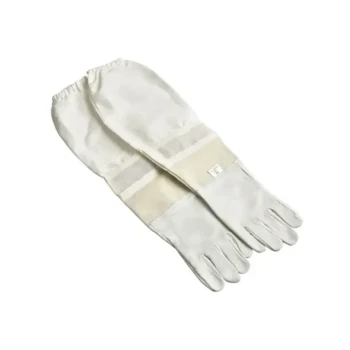
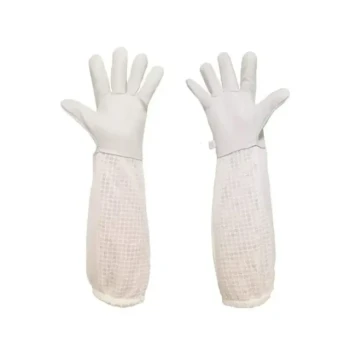
Beekeeping gloves are specialized protective gear designed to shield the hands and arms from stings while allowing the wearer to manipulate hive equipment. They generally feature a durable hand covering made of tough materials like leather or cotton, connected to a long gauntlet that extends to the elbow and is secured with an elastic band to prevent bees from entering.
The most effective beekeeping gloves strike a difficult balance between impenetrable protection and tactile sensitivity. Prioritizing thickness prevents stings but can reduce the dexterity needed to handle bees gently, potentially leading to clumsiness that agitates the colony.
The Anatomy of Protection
Extended Gauntlet Design
The defining feature of these gloves is the gauntlet base, which extends up the forearm to the elbow. This length is critical for eliminating skin exposure between the hand and the protective suit.
Secure Sealing Mechanisms
To ensure a bee-tight seal, the top of the gauntlet is typically fitted with an elastic band. Experienced apiarists often put the gloves on first, layering the sleeves of their bee suit over the glove cuffs to maximize security.
Material Durability
The primary function of the material is to create a barrier against stings and physical hazards like wood splinters. Cowhide and goatskin leather are traditional choices because they are naturally tough and offer superior resistance to puncture.
Material Variations and Climate Adaptation
Traditional Leather
Leather is valued for its longevity and robust protection. While highly effective against stings, full leather gloves can be hot and do not breathe well. They may also feel stiff until fully broken in.
Ventilated Options
For beekeepers in hot climates, ventilated gloves introduce a mesh panel near the wrist. This design significantly improves airflow and reduces moisture buildup, though the mesh area itself offers less protection against stings than solid leather.
Synthetic Alternatives
Nitrile gloves and other synthetic materials are becoming increasingly popular. These offer a different tactile experience and can be lighter than traditional leather hides.
Understanding the Trade-offs
Protection vs. Dexterity
This is the most critical consideration for any beekeeper. Thick leather gloves offer the highest security, which is excellent for preventing stings. However, this thickness dulls the wearer's sense of touch.
The Risk of Reduced Sensitivity
When a beekeeper loses tactile sensitivity, they may handle frames more roughly or accidentally crush bees. This clumsiness can release alarm pheromones in the hive, inadvertently making the bees more aggressive.
Durability vs. Vulnerability
While ventilated gloves offer comfort, they sacrifice structural integrity. The mesh panels are not as durable as solid hide and are potential entry points for stings if not properly designed or layered.
Making the Right Choice for Your Goal
Selecting the right glove depends heavily on your experience level and your local environment.
- If your primary focus is maximum protection: Choose heavy cowhide leather gloves to ensure sting prevention and protect against splinters, especially if you are a beginner building confidence.
- If your primary focus is comfort in heat: Opt for ventilated gloves with mesh panels to reduce sweat and fatigue, accepting a slight reduction in durability.
- If your primary focus is precision and hive management: Consider lighter goatskin or nitrile options that sacrifice some sting resistance for the dexterity required to handle bees gently.
The best glove is one that allows you to work calmly and efficiently, keeping both you and your bees safe.
Summary Table:
| Feature | Material/Design | Primary Benefit |
|---|---|---|
| Gauntlet Length | Elbow-length fabric | Eliminates skin exposure and prevents bees from entering sleeves |
| Hand Material | Cowhide or Goatskin | High puncture resistance against stings and wood splinters |
| Cuff Seal | Elasticized Band | Ensures a bee-tight seal at the top of the forearm |
| Ventilation | Mesh Panels | Increases airflow and reduces moisture in hot climates |
| Tactile Sensitivity | Thin Goatskin/Nitrile | Enhances dexterity for gentle bee handling and precision |
Elevate Your Apiary’s Standards with HONESTBEE
Are you looking to supply your commercial apiary or distribution network with the industry's most reliable protective gear? HONESTBEE is a leading global provider specializing in high-quality beekeeping tools, machinery, and essential consumables.
We offer a comprehensive wholesale portfolio—from durable leather and ventilated gloves to advanced hive-making and honey-filling machinery. Our products are engineered to provide the perfect balance of safety and efficiency, ensuring your team or customers can manage colonies with confidence.
Partner with HONESTBEE to access premium equipment at scale. Contact us today to discuss your wholesale needs!
Related Products
- Beekeeping Gloves Goatskin Leather with Long Cotton Sleeve for Beekeepers
- Heavy Duty Red Rubber Beekeeping Gloves with Vented Mesh Cotton Sleeves
- Heavy Duty Red Rubber Beekeeping Gloves with Extended Pure Cotton Sleeves for Beekeepers
- Goatskin Leather Beekeeper Gloves with Vent Long Sleeve for Beekeeping Honey Bee Sting Proof Protection
- Premium Ventilated Goatskin Beekeeping Gloves with Full 3-Layer Mesh Sleeve
People Also Ask
- What are the characteristics of the best gloves for beekeeping? Choose Protection & Dexterity
- What are the primary purposes of using beekeeping gloves? Protect Your Hands and Ensure Apiary Hygiene
- What types of gloves are available for beekeeping? Choose the Right Protection for Your Hive
- Why is it important for beekeepers to wear gloves? Essential Safety and Confidence for Hive Management
- Why do some experienced beekeepers opt not to wear gloves? Discover the Benefits of Tactile Precision