Winter is the decisive period for apiary preparation. During this dormant phase, you must prioritize auditing your inventory, repairing or replacing damaged woodenware, and constructing new hive components. Addressing these tasks now prevents critical equipment shortages when colony management intensifies in the spring.
The core objective of winter maintenance is to build a surplus of ready-to-use equipment. By resolving hardware issues and preparing new hives while bee activity is minimal, you ensure that spring operations focus entirely on colony management rather than emergency repairs.
Assessing and Restoring Woodenware
Auditing for Structural Integrity
Inspect all honey supers, brood boxes, and bottom boards for rot or structural weakness.
If a piece of woodenware is compromised, it puts the colony at risk during the heavy nectar flow. Mark damaged items for immediate repair or disposal.
Constructing New Equipment
Winter is the ideal time to build and paint new hives.
You must have a surplus of hives ready to accommodate spring swarms or planned apiary expansions. Waiting until spring to assemble boxes often leads to missed opportunities when bee populations surge.
Painting and Weatherproofing
Apply paint or preservatives to new or repaired woodenware now.
These materials require time to off-gas and cure fully. Completing this step in winter ensures the equipment is safe for habitation by the time the bees are active.
Managing Storage and Colony Loss
Preserving Drawn Comb
Drawn honeycomb is your apiary’s most valuable resource and requires careful storage.
Whether stored individually or within supers, frames must be protected from environmental moisture and pests. Proper storage preserves the comb structure for immediate use in the coming season.
Handling Dead-outs
If a colony has died or been combined, you must store the entire hive assembly.
This includes the brood comb, inner covers, and outer covers. Thoroughly clean and store these components to prevent pest infestation, ensuring they are ready to receive new bees or packages in the spring.
Optimizing Tool Performance
Restoring Smoker Functionality
Smokers often accumulate creosote and debris that restrict airflow.
Clean out old fuel remnants and scrape the interior walls to ensure reliable operation. A malfunctioning smoker during a complex spring inspection can lead to unnecessary agitation of the colony.
Sanitizing Hive Tools
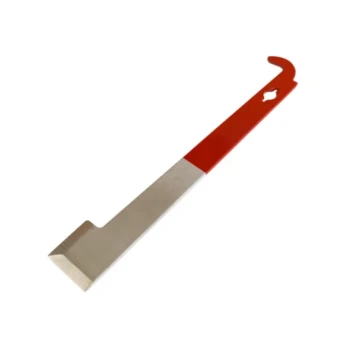
Inspect your hive tools for dull edges or bending.
Thoroughly clean and sanitize these tools to remove propolis and wax buildup. Replacing worn tools and sanitizing current ones is a critical step in preventing the cross-contamination of pathogens between hives.
Understanding the Trade-offs
Repair vs. Replacement
There is a distinct trade-off between the cost of repairing woodenware and the reliability of new equipment.
While repairing saves money, patching severely rotted wood can lead to structural failure under the immense weight of a full honey super. If the integrity of a box is questionable, replacement is the safer investment.
Storage Space vs. Pest Risk
Storing equipment efficiently saves space but increases the risk of pest damage if not monitored.
Stacking supers tightly conserves room, but creates an ideal environment for wax moths or mice if barriers are not used. You must balance space efficiency with rigorous pest exclusion strategies to protect your woodenware and comb.
Making the Right Choice for Your Goals
Your winter maintenance strategy should align with your operational plans for the upcoming season.
- If your primary focus is Apiary Expansion: Prioritize building and painting new woodenware to ensure you have a surplus of empty hives ready for swarms and splits.
- If your primary focus is Efficiency and Hygiene: Prioritize sanitizing tools and culling old comb to streamline inspections and reduce disease vectors.
Success in beekeeping is rarely about reaction; it is about preparation.
Summary Table:
| Maintenance Category | Key Tasks | Strategic Importance |
|---|---|---|
| Woodenware | Repair rot, paint new hives, build surplus boxes | Ensures structural integrity and readiness for spring swarms. |
| Comb Management | Protect drawn comb, store dead-out assemblies | Preserves the apiary's most valuable resource for immediate use. |
| Tools & Smokers | Scrape creosote, sanitize tools, sharpen edges | Prevents cross-contamination and ensures reliable operation. |
| Inventory Audit | Cull damaged items, order replacements | Minimizes emergency repairs during peak honey flow. |
Maximize Your Spring Productivity with HONESTBEE
Success in beekeeping is built during the off-season. At HONESTBEE, we specialize in supporting commercial apiaries and distributors with the high-quality equipment needed to scale efficiently. From specialized hive-making and honey-filling machinery to a full spectrum of beekeeping tools and essential consumables, we provide the hardware and support your business requires to thrive.
Don't let equipment shortages slow down your expansion. Whether you need bulk wholesale supplies or advanced automated machinery, our team is ready to deliver customized solutions tailored to your operational goals.
Ready to upgrade your apiary? Contact us today to explore our comprehensive wholesale offerings and secure your success for the upcoming season.
Related Products
- Stainless Steel J Hook Hive Tool for Beekeeping
- HONESTBEE 15-in-1 Beekeeper Multi-Tool with Hammer and Pliers for Beekeeping
- HONESTBEE Classic Pry Bar Hive Tool with High Visibility Finish for Beekeeping
- Multi-Function Plier-Style Frame Grip Hive Tool
- Stainless Steel Queen Grafting Tool for Beekeeping and Bee Queen Grafting
People Also Ask
- What specific challenges do beekeeping hive tools address during hive maintenance? Essential Solutions for Apiaries
- What is a J-hook hive tool and why is it favored by some beekeepers? Master Gentle Frame Handling
- What are the features of a J-hook hive tool? Effortlessly Lift Frames with Superior Leverage
- What is the purpose of the J-hook hive tool? Effortlessly Lift Frames with Superior Leverage
- How is a J-hook hive tool designed and what is its primary use? Master Effortless Hive Inspections