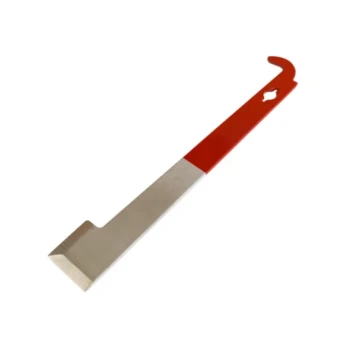
Effective storage begins with rigorous cleaning and sanitation. To prepare your beekeeping equipment, you must scrape hive components like honey supers clean using a hive tool and disassemble complex hardware. Crucially, you must hand-wash your protective suit, hat, and veil, allowing them to air dry completely to prevent damage and mold growth.
The primary goal of cleaning before storage is to prevent the transfer of diseases and parasites between hives while denying pests a food source. Success relies on removing all wax, propolis, and debris, followed by ensuring every item is completely dry before it enters a secure storage space.
Cleaning Woodenware and Hardware
Scraping Hive Components
Before applying any water or cleaning agents, you must physically remove organic matter. Use a hive tool to vigorously scrape honey supers and other wooden components.
Your objective is to remove wax, propolis, and debris. These residues can attract pests and harbor pathogens that jeopardize the health of your colonies in the next season.
Washing and Disassembly
Once scraped, components can be cleaned more thoroughly to remove finer debris. A soft brush and mild soap are recommended for washing hard surfaces.
For complex equipment like extractors or hive stands, disassemble any parts that can be taken apart. This ensures you can clean crevices where pests or moisture might hide.
Organization and Labeling
Small hardware and hive tools are easily lost during the off-season. Place these smaller items in designated containers.
Label every piece of equipment with its contents and the date of storage. This creates an organized system that simplifies your workflow when spring setup arrives.
Care for Protective Gear
The Hand-Washing Protocol
Protective gear requires a gentler approach than woodenware. You should hand-wash your beekeeping suit, hat, and especially the veil.
While it may be tempting to use a washing machine, hand-washing is explicitly cited as the best method to avoid damage. A damaged veil compromises your safety, rendering the suit useless.
Air Drying is Mandatory
After washing, hang the suit and veil to air dry. Do not use a mechanical dryer.
Ensure the gear is completely moisture-free before packing it away. Storing damp fabric encourages mold and mildew, which degrades the material and creates unpleasant labor for you in the spring.
Common Pitfalls to Avoid
The Moisture Trap
The most critical error in storage preparation is putting equipment away while it is still damp. Residual moisture is the primary cause of mold and mildew growth during the winter.
If you wash equipment with water and soap, allow ample time for drying. It is better to leave equipment out an extra day than to risk rotting your woodenware or ruining your suit.
Neglecting Maintenance
Cleaning is the ideal time to inspect for wear and tear. Do not store broken tools or rotting wood.
November and December are best suited for these repairs, but identifying the issues during the cleaning phase allows you to order replacement parts or plan for painting and repairs well in advance.
Making the Right Choice for Your Goal
To ensure your equipment is ready for the next season, apply these specific strategies based on your priorities:
- If your primary focus is Disease Prevention: Prioritize scraping off all propolis and wax, as these biological residues are the primary vectors for transferring parasites between hives.
- If your primary focus is Equipment Longevity: Strictly adhere to hand-washing your protective gear and ensure zero moisture remains on any equipment to prevent rot and mold.
- If your primary focus is Efficiency: Disassemble complex tools, containerize small parts, and clearly label everything with dates to streamline your spring deployment.
A clean apiary in the spring is built upon the discipline of your autumn cleanup.
Summary Table:
| Component Type | Cleaning Method | Key Action Item |
|---|---|---|
| Woodenware | Scraping & Washing | Remove wax/propolis with hive tool; air dry completely. |
| Protective Gear | Hand-Washing | Gently wash suits/veils by hand; avoid mechanical dryers. |
| Machinery | Disassembly | Take apart extractors to clean hidden crevices and debris. |
| Small Tools | Manual Cleaning | Clean with mild soap and organize in labeled containers. |
Maximize Your Apiary Efficiency with HONESTBEE
Proper maintenance is only half the battle—having durable, professional-grade tools makes the difference. HONESTBEE serves commercial apiaries and distributors with a comprehensive range of high-quality beekeeping equipment, from specialized hive-making and honey-filling machinery to essential industry consumables.
Whether you are scaling your operations or stocking premium supplies for resale, our wholesale solutions are designed to enhance your productivity and long-term success.
Ready to upgrade your apiary hardware? Contact HONESTBEE today to explore our full product portfolio and see how our expertise can benefit your business.
Related Products
- Stainless Steel J Hook Hive Tool for Beekeeping
- HONESTBEE 15-in-1 Beekeeper Multi-Tool with Hammer and Pliers for Beekeeping
- HONESTBEE Classic Pry Bar Hive Tool with High Visibility Finish for Beekeeping
- Multi-Function Plier-Style Frame Grip Hive Tool
- Stainless Steel Queen Grafting Tool for Beekeeping and Bee Queen Grafting
People Also Ask
- What specific challenges do beekeeping hive tools address during hive maintenance? Essential Solutions for Apiaries
- What are the features of a J-hook hive tool? Effortlessly Lift Frames with Superior Leverage
- What is a J-hook hive tool and why is it favored by some beekeepers? Master Gentle Frame Handling
- What is the purpose of the J-hook hive tool? Effortlessly Lift Frames with Superior Leverage
- How is a J-hook hive tool designed and what is its primary use? Master Effortless Hive Inspections