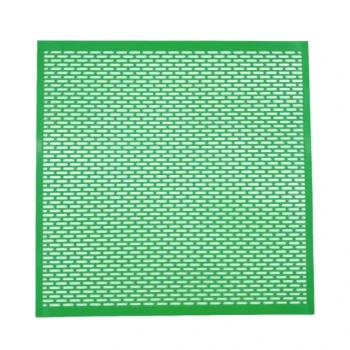
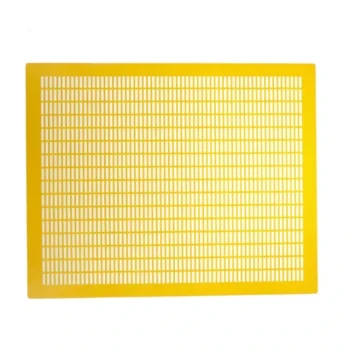
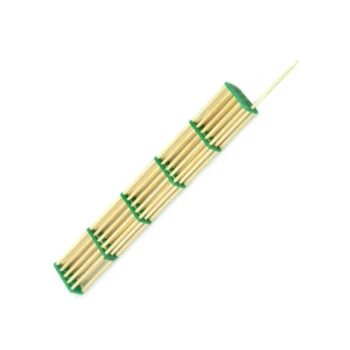
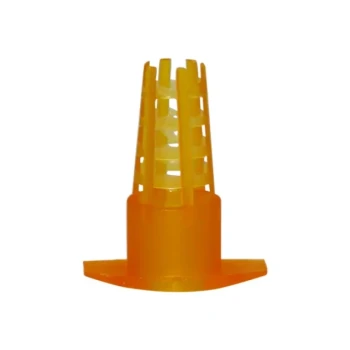
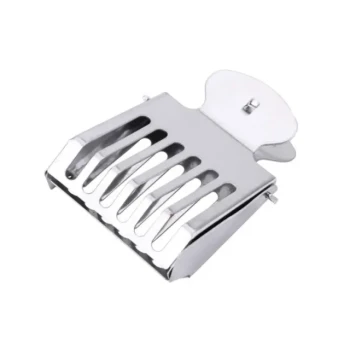
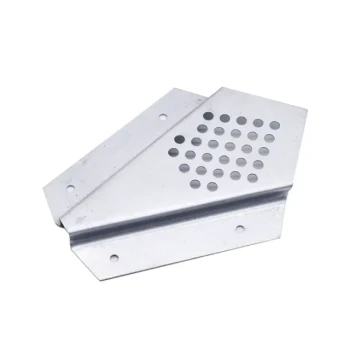
A queen excluder acts as a precise biological filter within the hive structure. It leverages specific grid dimensions to physically restrict the larger queen bee to designated sections, while permitting smaller worker bees to move freely between the brood chamber and honey supers.
By strictly confining the queen to specific zones, the excluder creates a necessary boundary between reproductive activity and resource storage. This isolation is fundamental for maintaining the purity of honey stores and ensuring the integrity of data in experimental research.
The Mechanics of Physical Isolation
Exploiting Size Differences
The excluder operates on a simple but effective physical principle: grid size.
The spacing of the grid is calibrated to be impassable for the larger body of the queen bee. Simultaneously, it allows the smaller worker bees to pass through without obstruction.
Selective Mobility
This design creates a selectively permeable barrier.
While the workforce maintains access to the entire hive for maintenance and resource deposition, the reproductive source—the queen—is physically limited to a single area. This prevents her from roaming into areas designated for honey storage.
Critical Role in Experimental Integrity
Establishing Controlled Zones
In experimental settings, ambiguity is the enemy of accurate data.
The queen excluder ensures a strict separation between the brood area (reproduction) and the honey storage area. This zoning is non-negotiable for studies requiring distinct environments for larvae and food stores.
Preventing Variable Contamination
Without an excluder, a queen may engage in "random egg-laying" throughout the hive.
This behavior introduces uncontrolled variables that can ruin experimental designs. By restricting the queen, researchers eliminate the risk of brood appearing in zones intended solely for honey or chemical analysis.
Enhancing Measurement Precision
Scientific precision often relies on analyzing specific localized effects.
The excluder facilitates the precise measurement of brood production rates and chemical residues in specific zones. It ensures that data collected from a honey super is not conflated with biological byproducts from the brood nest.
Operational Considerations and Trade-offs
The Necessity of Strict Barriers
While effective, the excluder introduces a rigid constraint on the colony's natural structure.
For the isolation to be valuable, the barrier must be absolute. Any failure in the grid allows the queen to breach the containment, immediately invalidating the separation of brood and honey.
Balancing Control vs. Behavior
The primary trade-off is the restriction of the queen's natural movement for the sake of management control.
In experimental processes, the validity of the data takes precedence over the queen's freedom to roam. This artificial constraint is a required compromise to prevent experimental errors caused by unpredictable biological behavior.
Applying Isolation for Strategic Goals
To maximize the utility of a queen excluder, align its use with your specific objective:
- If your primary focus is clean resource extraction: Use the excluder to keep the honey supers free of eggs and larvae, ensuring distinct separation from the brood nest.
- If your primary focus is scientific data collection: Rely on the excluder to standardize hive zones, allowing for the accurate measurement of chemical residues and brood metrics without cross-contamination.
Effective use of the queen excluder transforms a chaotic biological environment into a controlled system suitable for precise management and research.
Summary Table:
| Feature | Role in Isolation | Primary Benefit |
|---|---|---|
| Grid Dimension | Physically restricts queen by size | Prevents brood from entering honey supers |
| Selective Mobility | Allows worker passage, denies queen | Maintains high-quality, larvae-free honey stores |
| Zoning Control | Creates distinct brood vs. storage areas | Enables precise data collection for researchers |
| Variable Prevention | Stops random egg-laying | Eliminates contamination in chemical & food analysis |
Elevate Your Apiary Standards with HONESTBEE
Precision in hive management starts with the right equipment. At HONESTBEE, we specialize in supporting commercial apiaries and distributors with high-performance beekeeping tools and industrial-grade machinery. From durable queen excluders that ensure experimental integrity to advanced honey-filling machines and specialized hive-making hardware, our comprehensive wholesale portfolio is designed to scale your operations.
Ready to optimize your production and ensure honey purity?
Contact us today to explore our full spectrum of professional beekeeping solutions.
References
- Jennifer A. Berry, Keith S. Delaplane. Field-Level Sublethal Effects of Approved Bee Hive Chemicals on Honey Bees (Apis mellifera L). DOI: 10.1371/journal.pone.0076536
This article is also based on technical information from HonestBee Knowledge Base .
Related Products
- High Performance Plastic Queen Excluder for Beekeeping and Apiary Management
- Professional Plastic Queen Excluder for Modern Beekeeping
- Lightweight Durable Plastic Queen Excluder Scraper for Beekeeping
- Metal Queen Bee Excluder for Beekeeping
- Premium Wood Framed Metal Wire Queen Bee Excluder
People Also Ask
- What are the characteristics of a plastic queen excluder? Key Benefits for Cost-Effective Beekeeping
- What are the operational and cost advantages of using plastic queen excluders over metal or wire excluders in commercial hive management? Discover how they reduce labor, prevent wing damage, and lower total costs.
- What types of queen excluders are available for beekeepers? Choose the Right Tool for Your Hive
- Why are standardized hive frames and queen excluders essential for maintaining honey purity and quality? Scale Your Purity
- Do plastic queen excluders work? A Cost-Effective Solution for Modern Apiaries