A solid and organized brood pattern generally serves as the primary indicator of a colony’s vitality, specifically signaling the presence of a healthy, well-mated queen. It suggests the hive is currently experiencing minimal stress and is relatively free from significant disease burdens or Varroa mite infestations.
A dense, uniform brood pattern is more than just an aesthetic trait; it is a holistic diagnostic tool that captures the complex interactions between the queen's reproductive capacity, the colony's nutritional status, and the absence of environmental stressors.
The Diagnostic Value of Brood Patterns
Evaluating Queen Performance
A solid pattern is the most direct evidence of queen fecundity. It confirms that the queen is well-mated and possesses a high egg-laying capacity.
When a queen lays eggs in a tight, contiguous arrangement without skipping cells, it demonstrates her reproductive efficiency.
Indicating Pathogen Absence
A "spotty" or irregular pattern often results from the worker bees removing dead or diseased larvae—a trait known as hygienic behavior.
Conversely, a solid pattern implies high larval survival rates. It indicates that the larvae are developing normally and are not succumbing to pathogens or parasites like Varroa mites before they can emerge.
Measuring Environmental Resilience
Brood patterns capture the cumulative effect of external pressures.
Unlike single toxicological tests, observing the brood pattern reveals how the colony is coping with complex interactions, including pesticide exposure and nutritional availability. A solid pattern proves the colony is effectively buffering these environmental stressors.
Quantifying Vitality
The 100-Cell Standard
While visual estimation is common, the integrity of the brood can be measured quantitatively using a 100-cell template.
By placing this template over capped brood, beekeepers can calculate the ratio of "empty" or skipped cells.
Interpreting the Ratio
A low number of skipped cells (high integrity) digitizes the assessment of the queen's quality.
This metric provides concrete evidence of the colony's long-term survival potential, moving diagnosis from a "feeling" to a calculated observation of developmental health.
Understanding the Trade-offs
The Impact of Comb Age
A solid pattern relies on more than just the queen; it requires a clean environment.
Old combs can accumulate chemical contaminants and pathogenic microorganisms over time. This buildup can negatively affect larval development, leading to spotty patterns even if the queen is healthy.
Analysis vs. Prevention
Relying solely on brood pattern analysis is reactive.
While a solid pattern indicates current health, maintaining it requires proactive measures like annual comb replacement. Providing clean combs serves as a preventative step, enhancing hygiene and ensuring the queen has an optimal surface for laying eggs.
Making the Right Choice for Your Management
When evaluating your colony, use the brood pattern to determine your next management step.
- If your primary focus is Queen Assessment: Look for large, contiguous areas of capped brood to confirm she is well-mated and laying efficiently.
- If your primary focus is Disease Detection: Use a 100-cell template to count skipped cells; a high "skip" ratio warrants an immediate investigation for mites or pathogens.
- If your primary focus is Long-Term Health: Implement a schedule for replacing old combs to prevent residue buildup from artificially degrading an otherwise healthy brood pattern.
A solid brood pattern is the ultimate biological proof that your colony is not just surviving, but thriving in its environment.
Summary Table:
| Diagnostic Indicator | Meaning of Solid/Organized Pattern | Meaning of Spotty/Irregular Pattern |
|---|---|---|
| Queen Performance | High fecundity; well-mated and efficient | Poor mating or declining reproductive health |
| Disease Status | High larval survival; low pathogen levels | Hygienic removal of diseased or dead larvae |
| Environment | Strong resilience to pesticides & stress | High impact from toxins or nutritional lack |
| Comb Condition | Clean, healthy laying environment | Possible accumulation of chemical residues |
Elevate Your Apiary’s Productivity with HONESTBEE
A thriving colony starts with the right tools and a healthy environment. At HONESTBEE, we empower commercial apiaries and distributors by providing a comprehensive wholesale range of professional beekeeping solutions. Whether you need specialized hive-making machinery, high-efficiency honey-filling machines, or essential industry consumables, our portfolio is designed to support your growth.
Don't let aging equipment or substandard supplies hinder your brood patterns. Partner with us to access premium beekeeping hardware and honey-themed cultural merchandise that adds value to your brand. Contact us today to optimize your operations!
Related Products
- Honey Bee Lifecycle Model: A Detailed Honeycomb Display of Bee Development
- Langstroth Honey Bee Box Hive Boxes for Different Depths
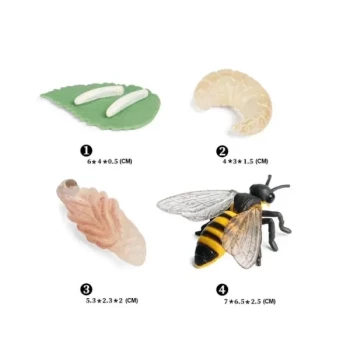
- Honey Bee Life Cycle Model 4 Stage Educational Set for Kids Learning
- HONESTBEE Anatomy Bee Model Detailed Anatomical Display for Education and Study
- Twin Queen Styrofoam Honey Bee Nucs Mating and Breeding Box
People Also Ask
- Are honey bees good to have around? The Essential Role and Ecological Impact of Bees
- Why does standardized equipment lower honey bee winter loss? Master Large-Scale Beekeeping Success
- Do honey bees leave their hives? Understanding the Critical Role of Swarming
- What activities require a lot of energy for honey bees? Understanding the Colony's Energy Budget
- How do honey bees develop from egg to adult? The Complete 4-Stage Metamorphosis Guide