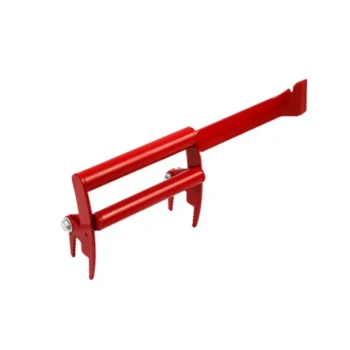
Effective hive management relies on proactive sanitation. To support colony health, you must regularly scrape bottom boards and clear Varroa screens of debris. Inside the hive, removing excess wax, burr comb, and propolis from frames ensures you can separate components for thorough inspections without harming the bees. Additionally, using well-ventilated boxes and installing entrance reducers or mouse guards at the appropriate times protects the colony from environmental stress and pests.
Regular equipment hygiene is not just about cleanliness; it is a critical component of disease management and inspection efficiency. By systematically removing debris and excess build-up, you enable accurate health assessments and prevent mechanical issues from masking biological problems.
Internal Hygiene and Frame Management
Clearing the Foundation
The health of the colony begins at the bottom of the hive. You must regularly scrape bottom boards and clear Varroa screens.
Removing the debris and filth that accumulates here is essential for sanitation. This prevents the buildup of organic matter that can harbor pests or pathogens.
Facilitating Inspection with the Hive Tool
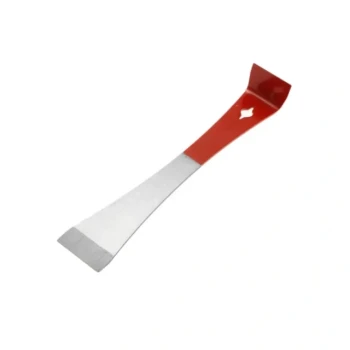
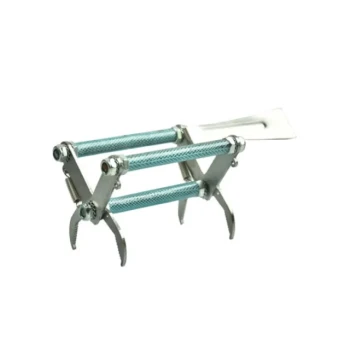
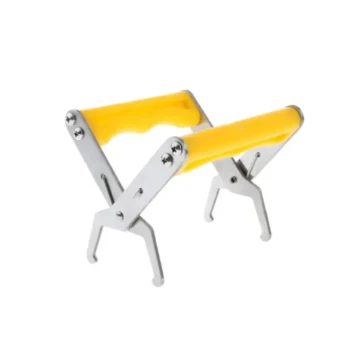
Bees naturally secrete propolis to seal hive parts, which can make frames difficult to move. You must use a hive tool made of high-strength steel to pry these stuck components apart.
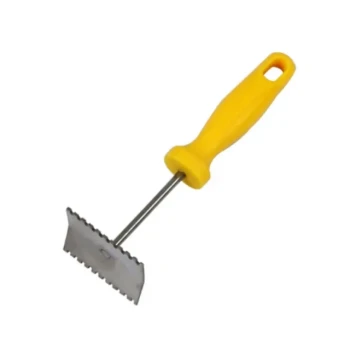
Use the tool to scrape away excess beeswax, burr comb, and propolis from the frame bars. Keeping these contact points clean provides the leverage needed to separate frames smoothly.
Reducing Colony Disturbance
Scraping frames is not merely cosmetic; it prevents mechanical jarring during inspections. When components are stuck together by excess wax or propolis, separating them can cause significant vibration and disturbance.
By maintaining clean frame edges, you can inspect the hive with minimal disruption. This protects the bees and allows you to make better management decisions based on a calm, observable colony.
Managing the Physical Environment
Controlling Airflow and Access
Equipment choices directly impact the colony's stress levels. You should utilize well-ventilated boxes to manage internal humidity and temperature.
During periods where the colony is weak or there is a high risk of robbing by other bees, you must install entrance reducers. This physical modification helps the guard bees defend their resources more effectively.
Seasonal Protection
Pest management is a critical aspect of equipment maintenance. Specifically, you must apply mouse guards in the fall.
Rodent intrusion during colder months can be devastating to a cluster. A physical barrier installed at the entrance prevents this without restricting the bees' necessary movement.
Understanding the Trade-offs
The Propolis Paradox
It is important to understand the dual nature of propolis. While it acts as a "glue" that hinders your inspections, it is also a biological necessity for the bees.
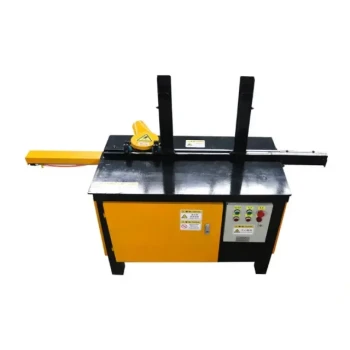
Automated manufacturing ensures hive spacing is precise, allowing bees to apply propolis layers uniformly. This acts as a natural defense barrier against pathogens like American Foulbrood.
Balancing Cleaning with Biology
The goal of maintenance is to remove excess buildup, not to sterilize the environment completely. Over-scraping can destroy the propolis envelope the bees have created for their own health.
You must strike a balance: scrape enough to allow for easy manipulation and inspection, but respect the bees' biological need to seal and sanitize their own living quarters.
Making the Right Choice for Your Goal
To apply these practices effectively, match your maintenance intensity to your immediate objective:
- If your primary focus is Ease of Inspection: Prioritize scraping burr comb and propolis from frame ears to prevent sticking and reduce disturbance during manipulation.
- If your primary focus is Disease Prevention: Focus on clearing bottom boards and Varroa screens to remove filth and verify that propolis layers remain intact on hive walls as a pathogen barrier.
Consistent mechanical maintenance creates the physical conditions necessary for a thriving, manageable colony.
Summary Table:
| Maintenance Practice | Key Benefit | Target Area |
|---|---|---|
| Bottom Board Scraping | Removes debris & pathogens | Hive Floor |
| Frame Ear Cleaning | Reduces bee disturbance & vibration | Internal Frames |
| Entrance Reducer | Prevents robbing & supports defense | Hive Entrance |
| Mouse Guard | Blocks rodent intrusion in winter | Hive Entrance |
| Propolis Management | Balances hive seal with ease of access | Internal Walls |
Maximize Your Colony Success with HONESTBEE Equipment
At HONESTBEE, we understand that high-quality beekeeping equipment is the foundation of a healthy apiary. We cater specifically to commercial apiaries and distributors, offering a comprehensive wholesale range of precision-manufactured hive-making machines, honey-filling equipment, and essential hardware designed for durability and ease of maintenance.
Whether you are scaling your operation or supplying the industry, our premium beekeeping tools and industry consumables provide the reliability you need to manage hives efficiently. Contact us today to learn how our specialized machinery and wholesale offerings can optimize your beekeeping business.
Related Products
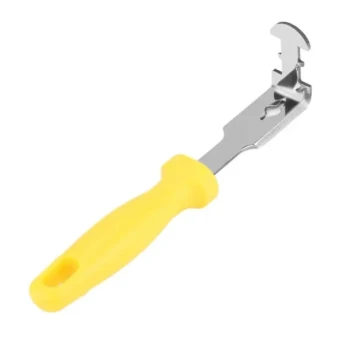
- Heavy Duty Stainless Steel Frame Cleaner with Plastic Handle
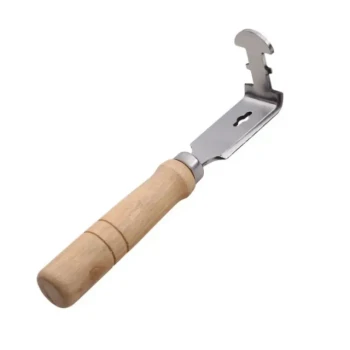
- Professional Stainless Steel Frame Cleaner with Ergonomic Wood Handle
- Professional Steel Pry-Bar Hive Tool with Painted Grip
- Precision Stainless Steel Frame Cleaner for Hive Grooves and Corners
- Professional Dual Action Queen Excluder Scraper for Beekeeping
People Also Ask
- What tools are used for cleaning frames? A Beekeeper's Simple 4-Tool Guide
- What are the physical characteristics of the frame cleaning tool? Durable Wood Design for Effective Hive Maintenance
- What is the purpose of the frame cleaning tool? A Precision Tool for Efficient Frame Maintenance
- In what specific situation is the frame cleaning tool particularly useful? Master Cut Comb Maintenance
- What is the function of the frame cleaning tool in beekeeping? Streamline Your Apiary Hygiene and Maintenance