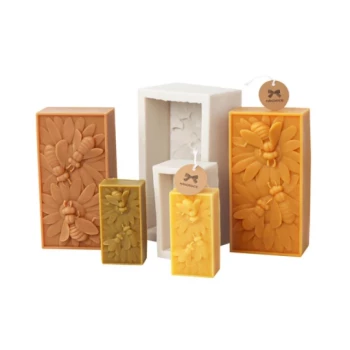
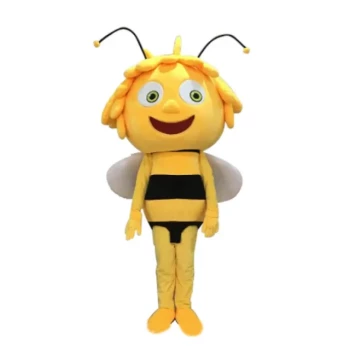
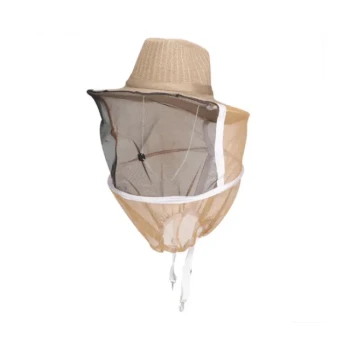
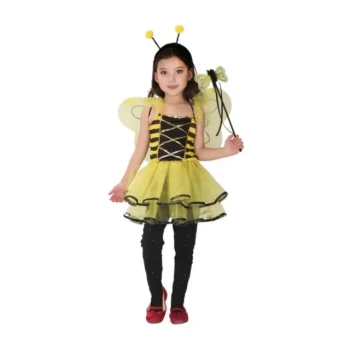
Bee-themed cultural merchandise functions as a vital communication link between commercial beekeeping operations and public ecological consciousness. These products serve a dual purpose: they act as tangible educational tools that explain the complex role of honeybees in biodiversity—including the need to manage them to prevent invasive impacts—while simultaneously allowing beekeeping enterprises to evolve into high-value cultural industries.
By transforming abstract ecological concepts into physical goods, merchandise builds an emotional connection with consumers that promotes sustainable management practices rather than simple resource extraction.
Bridging Commerce and Consciousness
Transforming the Abstract into the Tangible
Ecological protection is often a conceptual or abstract idea for the general public. High-quality cultural merchandise translates these ideas into physical items that consumers can touch, own, and use in their daily lives.
Creating Emotional Connections
When a consumer purchases a bee-themed product, they are buying into a story rather than just a commodity. This builds an emotional bond between the buyer and the beekeeping brand, facilitating a deeper interest in the environmental mission behind the business.
Evolving the Industry Model
For beekeeping enterprises, merchandise offers a pathway to move beyond simple honey production. It allows operations to transition into high-value-added industries that blend ecology and culture, diversifying revenue streams while amplifying their conservation message.
The Educational Mandate
Clarifying the Role of Pollinators
The primary function of this merchandise regarding awareness is to highlight the honeybee as a critical contributor to pollination. It moves the conversation beyond honey as a food product and focuses on the bee as a cornerstone of agricultural and natural systems.
Addressing Ecological Nuance
Crucially, these products provide a platform to communicate the complexity of introducing managed species into nature. They help explain that while bees are vital, they require careful management to prevent them from becoming invasive or detrimental to wild, native pollinators.
Promoting Sustainable Stewardship
By framing bees as species requiring specific management strategies, merchandise educates the public on the difference between exploitation and stewardship. This encourages consumer support for brands that prioritize biodiversity over maximizing hive numbers at the expense of the ecosystem.
Understanding the Trade-offs
The Risk of Oversimplification
A common pitfall in cultural merchandise is reducing the bee to a mere mascot or aesthetic symbol. If the educational narrative is lost, the merchandise becomes purely decorative and fails to convey the critical message regarding invasive risks and biodiversity.
Balancing Commerce and Message
There is a tension between mass appeal and strict scientific accuracy. Enterprises must ensure that the drive for revenue through merchandise sales does not dilute the ecological warning regarding the necessity of "careful management" mentioned in the primary texts.
Making the Right Choice for Your Goals
To effectively utilize bee-themed merchandise for ecological and business impact, consider your primary objective:
- If your primary focus is Public Education: Prioritize products that include narratives about the specific ecological role of bees and the importance of preventing invasive impacts through management.
- If your primary focus is Brand Growth: Focus on high-quality design that creates an emotional bond, transforming your operation from a production farm to a cultural lifestyle brand.
Effective cultural merchandise turns every customer into an informed stakeholder in ecological protection.
Summary Table:
| Function Category | Key Role & Impact | Primary Benefit |
|---|---|---|
| Education | Translates complex pollination & biodiversity concepts | Increases public ecological literacy |
| Commerce | Transitions operations to high-value cultural industries | Diversifies revenue beyond honey production |
| Advocacy | Promotes sustainable stewardship over extraction | Builds emotional bonds with conservation goals |
| Management | Communicates the need for careful invasive species control | Ensures balanced and responsible beekeeping |
Elevate Your Beekeeping Brand with HONESTBEE
Transform your commercial apiary from a honey producer into a high-value cultural leader. At HONESTBEE, we empower distributors and commercial beekeepers with more than just tools—we provide a comprehensive ecosystem for success. From advanced hive-making and honey-filling machinery to a curated range of bee-themed cultural merchandise, we help you build an emotional connection with your customers while promoting ecological stewardship.
Partner with us to grow your business and your impact.
Contact HONESTBEE Today for Wholesale Solutions
References
- Juan I. Agüero, Lucas A. Garibaldi. Honey bee impact on plants and wild bees in natural habitats. DOI: 10.7818/ecos.1365
This article is also based on technical information from HonestBee Knowledge Base .
Related Products
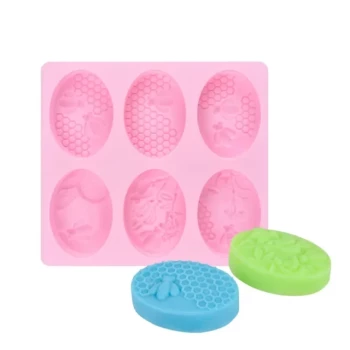
- Premium 6-Cavity Bee and Floral Themed Silicone Soap Mold
- Premium Traditional Copper Bee Smoker with Bellows
- White Cotton Beekeeping Jacket and Veil for Bee Keepers
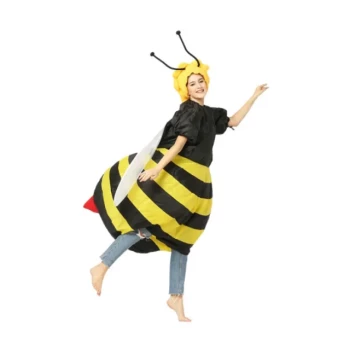
- Bee Inflatable Costume Professional Engaging Promotional Attire for Events & Marketing
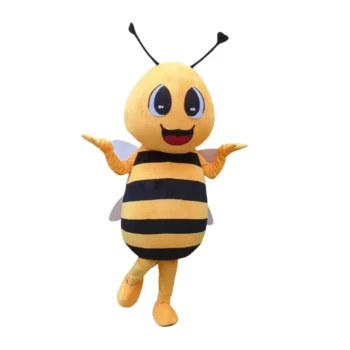
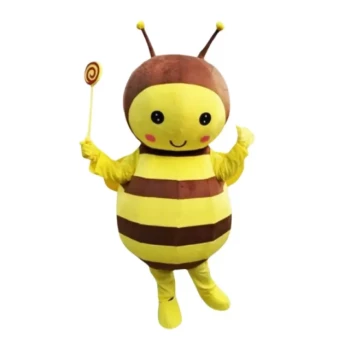
- Friendly Bee Mascot Costume Vibrant Engaging Promotional Asset
People Also Ask
- What are the advantages of silicone molds for queen cell cups? Upgrade Your Queen Rearing Precision
- What is the first tip for pouring beeswax into a silicone mold? Ensure a Perfect Release
- What is the third tip for working with beeswax in a silicone mold? Master the Critical Demolding Stage
- How do you keep beeswax from sticking to a mold? Master the Water Mist Method for a Perfect Release
- What types of molds can be used for beeswax? Choose the Right Mold for a Perfect Finish