The most effective hive-health program combines simple diagnostic tools with purpose-built barriers. Modified shake jars help beekeepers measure Varroa mite pressure, while screened bottom boards, monitoring trays, entrance reducers, mouse guards, and secure hive stands help detect or prevent pest intrusion. Routine inspections also depend on smokers, hive tools, protective clothing, and accurate colony records.
Hive health is best managed through layered protection: diagnose parasite pressure, inspect the colony consistently, and use physical barriers to stop rodents, crawling pests, predators, and robbers before they destabilize the hive.
Start With Reliable Hive Diagnostics
Modified Shake Jars for Mite Counts
A specially modified shake jar allows beekeepers to sample bees and perform mite counts. The result provides a practical indication of parasite pressure and helps determine whether further intervention may be necessary.
For commercial apiaries and resellers, shake jars are an important low-cost diagnostic accessory because they support repeatable monitoring across multiple colonies.
Screened Bottom Boards and Monitoring Trays
A screened wire mesh bottom board allows mites and hive debris to fall away from the bee cluster. When paired with a removable monitoring tray, it also makes it easier to inspect fallen material and assess colony conditions.
This equipment supports an integrated pest management approach by combining ventilation, passive mite reduction, and visual inspection in one hive component.
Inspection Records and Hive Management Software
Physical journals or digital hive-management applications help track queen performance, egg-laying density, brood health, and food reserves. Records allow beekeepers to compare colony changes over time rather than relying only on memory.
For distributors, record-keeping tools complement physical hardware by supporting a more complete hive-management product range.
Prevent Pests From Entering the Hive
Mouse Guards
Metal mouse entrance guards or notched plates cover the hive entrance while allowing worker bees to pass. They help prevent mice and other small animals from entering, nesting, and damaging comb during cool or overwintering periods.
Mouse guards are particularly valuable when colonies are exposed to seasonal rodent pressure. They should be selected to fit the hive entrance securely without creating unnecessary obstruction for the bees.
Entrance Reducers
Entrance reducers are wooden or plastic cleats that decrease the size of the hive entrance. They can help bees defend the entrance against robbers and reduce exposure to drafts during colder conditions.
They are also useful for managing entrances during periods when a colony is smaller or more vulnerable. However, the opening must remain appropriate for colony activity and ventilation.
Elevated Hive Stands and Barrier Traps
Raised hive stands make it more difficult for crawling pests to reach the hive entrance. When combined with barrier traps, they provide a physical defense against ants and other ascending pests.
Elevated stands can also improve access for inspections and reduce direct contact between hive equipment and damp ground.
Protect the Hive From Larger Predators
Hive Straps and Lid Weights
Raccoons and other animals can dislodge covers or damage hive hardware during nighttime activity. Heavy-duty hive straps and lid weights help keep top covers secured.
These accessories are especially useful where hives are exposed to physical disturbance, but they should not prevent beekeepers from opening the hive safely during inspections.
Electric Fencing
Bears can cause severe damage to hive bodies, frames, covers, and colonies. Electric fencing systems provide perimeter security and are more appropriate for serious bear pressure than relying only on hive hardware.
The most robust approach combines perimeter protection with secured hive covers, stable stands, and regular checks for signs of attempted entry.
Entrance Barriers and Raised Stands
Skunks and similar predators may disturb bees at the entrance, particularly at night. Raised stands and entrance barriers can make the hive less accessible and reduce repeated interference with the colony.
These measures work best as part of a broader site-security plan rather than as a standalone solution.
Support Safe and Consistent Hive Inspections
Bee Smokers
A bee smoker produces cool smoke that temporarily calms bees and masks alarm pheromones during frame manipulation. Proper fuel and operation are important because excessively hot smoke can harm bees or make inspections more disruptive.
Smokers are essential routine-management tools for both small-scale beekeepers and commercial operations.
Hive Tools and Scrapers
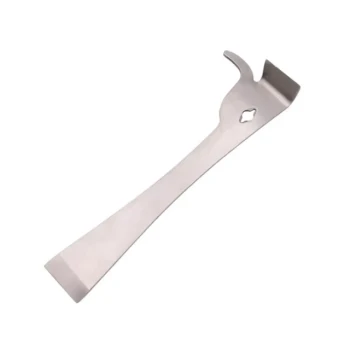
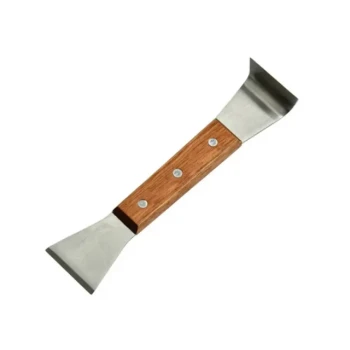
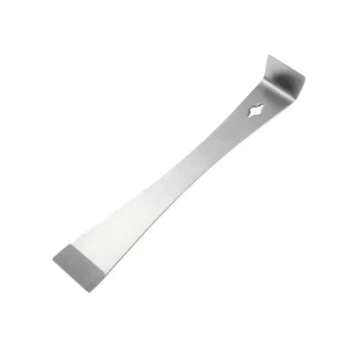
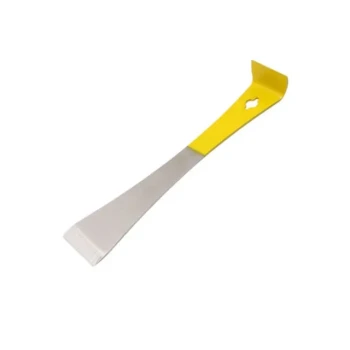
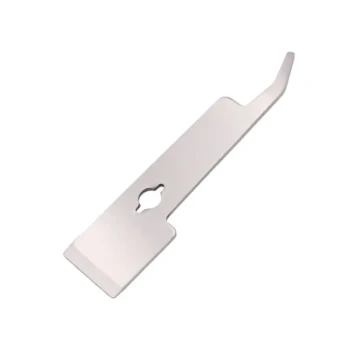
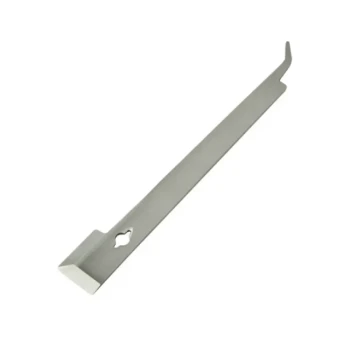
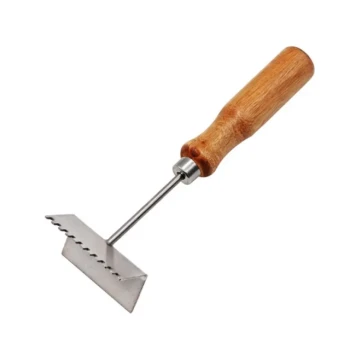
Heavy-duty hive tools help separate hive bodies, loosen stuck frames, and break propolis seals. Scrapers also remove excess propolis and burr comb from top bars and frame rests.
Durable tools improve inspection efficiency and reduce the risk of crushing bees while components are being separated.
Protective Clothing
Veils, gloves, and full protective suits reduce the operator’s exposure to stings during inspections and treatment applications. Protective equipment is particularly important for commercial teams working across many colonies.
For B2B buyers, consistent sizing, durable materials, and reliable availability are as important as the basic protective function.
Use Hive Hardware to Maintain Colony Control
Queen Excluders
A queen excluder is positioned between the brood chamber and honey supers. Its grid openings allow worker bees to move into the supers while preventing the larger queen from laying eggs in honey-storage comb.
This accessory supports honey purity and organized colony management, although it is not a pest-control device in the narrow sense.
Ekes and Hive Spacers
When using gel-based top-bar treatments, an eke or hive spacer may be installed beneath the crown board. It creates the clearance required for bees to access the gel tray.
This illustrates an important purchasing and application principle: treatment products often require compatible hive hardware to function correctly.
Ventilated Hive Components
Ventilated components, including screened bottom boards and appropriately managed crown-board ventilation, help support airflow and inspection access. During some volatile treatments, ventilation openings may need to be temporarily closed to maintain the required chemical concentration.
Treatment instructions must take priority because the correct configuration depends on the product and application method.
Understanding the Trade-offs
Monitoring Does Not Replace Inspection
A shake jar or monitoring tray provides useful evidence, but no single diagnostic tool gives a complete picture of colony health. Beekeepers must also inspect brood patterns, queen performance, food reserves, and visible signs of disease or stress.
The value of monitoring comes from combining measurements with consistent records and physical inspections.
Barriers Must Match the Pest
A mouse guard will not stop ants, raccoons, bears, or skunks. Likewise, an entrance reducer may help against robbing but cannot replace a secure perimeter where large predators are present.
Distributors should help buyers match accessories to local pest pressure, hive configuration, season, and operating scale.
Avoid Improvised Protective Measures
Plastic or metal sheet wraps and other improvised solutions may leave hives vulnerable to pests, disease, moisture, and environmental stress. They can also interfere with ventilation or contribute to colony instability.
Purpose-built equipment is generally more reliable because it is designed around hive access, bee movement, ventilation, and seasonal protection.
Apply Treatments Carefully
Honey supers must not be installed when treatments could contaminate marketable honey. Beekeepers should also wear protective gloves and rotate active ingredients systematically to reduce the risk of pest resistance.
Treatment compatibility, placement, ventilation, and timing should always follow the product’s instructions and the hive’s configuration.
Making the Right Choice for Your Goal
A practical product portfolio should combine diagnostic equipment, protective hardware, inspection tools, and treatment-compatible accessories.
- If your primary focus is parasite monitoring: Prioritize modified shake jars, screened bottom boards, removable monitoring trays, and hive-management records.
- If your primary focus is overwintering protection: Stock entrance reducers, metal mouse guards, secure hive covers, and suitable hive stands.
- If your primary focus is predator control: Combine electric fencing with heavy-duty hive straps, lid weights, raised stands, and entrance barriers.
- If your primary focus is safe inspections: Provide bee smokers, durable hive tools, protective veils or suits, and gloves.
- If your primary focus is commercial hive management: Build a full-spectrum supply program that includes queen excluders, ventilated components, treatment-compatible ekes, disease-prevention consumables, and responsive fulfillment support.
With the right combination of diagnostics, barriers, and dependable hive hardware, beekeepers can monitor colony health earlier, limit pest damage, and maintain more stable and productive apiaries.
Summary Table:
| Tool/Accessory | Purpose | Key Feature |
|---|---|---|
| Modified Shake Jar | Monitor Varroa mite pressure | Sample bees for mite counts |
| Screened Bottom Board | Ventilation & mite fall | Wire mesh allows debris to drop |
| Monitoring Tray | Inspect fallen mites/debris | Removable for easy checks |
| Mouse Guard | Prevent rodents | Metal guard over entrance |
| Entrance Reducer | Reduce robbing & drafts | Adjustable opening size |
| Hive Stand | Elevate hive & deter crawling pests | Raised design, barrier traps optional |
| Hive Strap | Secure lid against predators | Heavy-duty banding |
| Electric Fencing | Deter bears | Perimeter shock system |
| Entrance Barrier | Deter skunks & raccoons | Blocks night intrusions |
| Bee Smoker | Calm bees during inspection | Produces cool smoke |
| Hive Tool | Separate frames & scrape propolis | Durable metal prying tool |
| Protective Suit | Protect beekeeper from stings | Full-body cover with veil |
| Queen Excluder | Keep queen out of honey supers | Grid with worker-only openings |
| Eke/Spacer | Provide space for gel treatments | Creates clearance under crown board |
Looking to equip your apiary with top-quality hive monitoring and pest prevention tools? HONESTBEE offers a comprehensive wholesale range of diagnostics and protective accessories for commercial beekeepers and distributors. Our one-stop sourcing ensures rapid delivery, OEM/ODM support, and full-spectrum inventory—from shake jars and screened bottom boards to electric fencing and queen excluders. Boost your hive health and operational efficiency with HONESTBEE. Contact us today to discuss your bulk requirements and let our experts help you build a targeted product portfolio that keeps your customers' hives thriving.
Related Products
- Professional Multi-Function Stainless Steel Hive Tool
- HONESTBEE Professional Long Handled Hive Tool with Precision Cutting Blade
- HONESTBEE Premium Italian Style Hive Tool with Hardwood Handle
- Professional Dual-End Stainless Steel Hive Tool for Beekeeping
- Professional Stainless Steel Pry-Bar Hive Tool
People Also Ask
- Why are professional hive tools considered indispensable? Master Beekeeping Maintenance with Precision Leverage
- What is the role of professional hive tools in routine apiary maintenance? Expert Tips for Hive Health and Longevity
- What are the benefits of a multi-functional hive tool? Streamline Your Apiary Workflow with One Tool
- What advantages do multi-functional hive tools offer? Maximize Your Apiary Efficiency and Workflow
- What are the common construction features of hive tools? Key Insights for Superior Beekeeping Efficiency