Excess moisture buildup is the primary environmental cause of colony loss during winter, often proving more lethal to honey bees than freezing temperatures. To mitigate this, hive setups must prioritize humidity control through the installation of moisture boards, specialized inner covers, and adequate ventilation to keep the overwintering cluster dry.
While honey bees are biologically adapted to generate heat within a cluster, they cannot survive if trapped humidity condenses and freezes on their bodies. A successful winter setup focuses less on insulation against the cold and more on managing airflow to prevent this fatal "wet and cold" condition.
The Mechanics of Winter Colony Loss
Cold vs. Wet
Honey bees are remarkably resilient to low temperatures. They survive by forming a tight cluster and shivering their wing muscles to generate warmth. However, moisture is the critical vulnerability.
The Condensation Cycle
As the cluster consumes honey to generate heat, they exhale warm, moisture-rich air. This warm air rises to the top of the hive.
If the top of the hive (the inner cover or lid) is cold and unvented, this moisture condenses into liquid water. This water then drips back down onto the bees, chilling them faster than they can generate heat, leading to hypothermia and death.
Optimizing Hive Setup for Dryness
Installing Moisture Boards
The most effective physical mitigation is the addition of moisture boards or quilt boxes. Placed directly above the brood chamber, these materials absorb rising humidity before it hits the cold outer cover.
Specialized Inner Covers
Using specialized inner covers designed for wintering can significantly reduce condensation. These covers typically feature an upper entrance or specific notches that allow moist air to escape rather than becoming trapped under the lid.
Ensuring Proper Ventilation
Ventilation is the mechanism that drives moisture removal. You must ensure the hive has sufficient airflow to carry humid air out of the hive environment. The goal is to ensure the cluster remains dry throughout the season without creating a direct, chilling draft through the center of the brood nest.
Non-Invasive Monitoring and Trade-offs
The Risk of Physical Inspection
A common pitfall is opening the hive during winter to check on the bees. Breaking the propolis seal allows precious heat to escape and disrupts the colony's thermal regulation, which can be fatal in itself.
Leveraging Technology and Observation
Instead of opening the hive, rely on non-invasive methods to verify your setup is working. Thermal imaging cameras can detect heat signatures, confirming the cluster is alive and retaining warmth.
Auditory and Visual Cues
Simple observation is also effective. Tapping the hive wall and listening for a buzz (using a stethoscope or ear) confirms life. Externally, melted snow on the hive cover indicates the cluster is generating heat, and dead bees near the entrance are actually a positive sign that the colony is active enough to perform hygienic cleaning.
Making the Right Choice for Your Goal
To ensure your colony has the best chance of surviving until spring, tailor your approach based on your specific resources:
- If your primary focus is hardware setup: Prioritize the installation of moisture boards and ventilated inner covers to act as a passive safety system against condensation.
- If your primary focus is ongoing management: Utilize non-invasive checks like thermal imaging or listening devices to monitor survival without breaking the hive's thermal seal.
A dry colony is a surviving colony; manage the moisture, and the bees will manage the cold.
Summary Table:
| Mitigation Method | Component | Primary Benefit |
|---|---|---|
| Humidity Absorption | Moisture Boards / Quilt Boxes | Captures rising exhaled moisture before it condenses and drips on the cluster. |
| Airflow Management | Specialized Inner Covers | Provides an upper exit for warm, humid air while maintaining a secondary entrance. |
| Vapor Release | Proper Hive Ventilation | Prevents the 'wet and cold' condition by ensuring constant, gentle moisture removal. |
| Health Monitoring | Thermal Imaging / Sound | Confirms colony survival without breaking the propolis seal or losing hive heat. |
Secure Your Apiary’s Winter Survival with HONESTBEE
Don't let moisture compromise your winter yield. HONESTBEE specializes in supporting commercial apiaries and distributors with high-performance beekeeping tools and machinery designed to withstand the toughest seasons.
Whether you need specialized moisture-control hardware, hive-making machinery to expand your operations, or essential consumables, we provide the comprehensive wholesale solutions your business requires. Our expertise ensures your colonies—and your investments—remain dry and productive.
Ready to scale your beekeeping operations? Contact our expert team today to explore our full spectrum of equipment and cultural merchandise.
Related Products
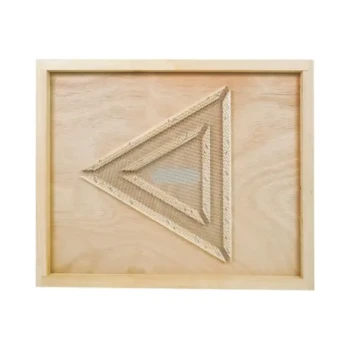
- HONESTBEE Wooden Bee Escape Board with Triangle Mesh Design for Beekeeping
- Langstroth Solid Bottom Board for Beekeeping
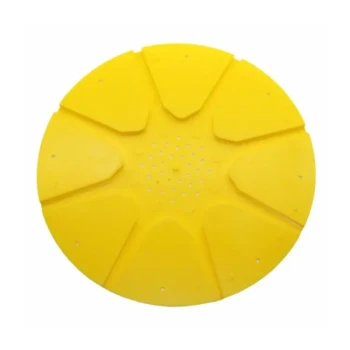
- Efficient Hive Clearing: HONESTBEE 8-Way Plastic Bee Escape
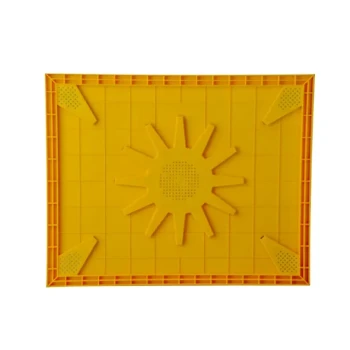
- HONESTBEE Multi Exit Plastic Bee Escape Board for Efficient Honey Harvesting
- Solid Bottom Board Australian Pine Wood Langstroth Bottom Board for Wholesale
People Also Ask
- How is a bee escape board used to clear a hive body for honey harvesting? Optimize Your Chemical-Free Harvest
- What is a bee escape board and what problem does it solve? Simplify Your Honey Harvest with Passive Clearing
- How is a bee escape board used and how does it function? Master This Gentle Honey Harvesting Tool
- What are the proper steps for using a bee escape board for honey harvesting? Master the Passive Clearing Technique
- What tools and methods are used to clear honey bees from honey supers? Efficient Harvesting for Commercial Beekeepers