The alternative method to standard parallel wiring is the crisscross pattern. This technique involves routing the wire diagonally across the frame rather than in horizontal straight lines. It creates a structural "X" or intersecting design to secure the wax foundation.
Regardless of the pattern used, the fundamental goal of wiring is to reinforce the comb against the intense physical stresses of colony life and honey harvesting.
Executing the Crisscross Pattern
The Routing Path
To achieve this pattern, the wire is first run diagonally from the upper left corner to the lower right corner of the frame.
Completing the Cross
Once at the lower right, the wire travels up the outside of the right-side bar. It enters through the top hole and is then crisscrossed back in the opposite direction to complete the pattern.
The Critical Role of Wiring
Preventing Foundation Collapse
Fresh beeswax foundation is soft and pliable. Without the internal support of wires, the foundation is prone to sagging or collapsing completely before the bees have a chance to draw out the comb.
Resisting Extraction Forces
The most violent force a frame endures occurs during harvest. Honey extractors use centrifugal force to spin honey out of the cells. Wiring prevents the heavy honeycomb from breaking out of the wooden frame during this process.
Structural Integrity
Beyond supporting the wax, wiring serves a structural purpose for the wood itself. It acts as a tensioner, helping to hold the frame's components tightly together as the wood ages and potentially shrinks or loosens over time.
Understanding the Trade-offs
External Wire Exposure
A notable characteristic of the crisscross method described is running the wire up the outside of the side bar. This differs from methods where wires are contained entirely within the frame's inner perimeter, potentially exposing the wire to catching or damage during handling.
Complexity of Application
Parallel wiring is often a linear process. The crisscross method requires diagonal tensioning and routing wire around the exterior of the frame, which may require a different technique to ensure the frame remains square under tension.
Making the Right Choice for Your Frames
If you are deciding between wiring methods, consider the following:
- If your primary focus is maximum reinforcement: Ensure your chosen pattern, whether parallel or crisscross, is tight enough to withstand the high RPMs of a radial or tangential extractor.
- If your primary focus is frame longevity: Prioritize a wiring method that pulls the frame components together securely to counteract the loosening of wood over time.
Secure wiring is the difference between a successful harvest and a blown-out comb.
Summary Table:
| Feature | Parallel Wiring | Crisscross Wiring |
|---|---|---|
| Routing Path | Horizontal/Straight Lines | Diagonal "X" Pattern |
| Structural Goal | Basic Foundation Support | High-Tension Reinforcement |
| Wire Placement | Entirely Internal | Partially External on Side Bar |
| Best For | Standard Hive Use | High-RPM Extraction Forces |
Maximize Your Apiary Productivity with HONESTBEE
Protect your harvest and extend the life of your equipment with professional-grade solutions. HONESTBEE provides commercial apiaries and distributors with a complete wholesale range of beekeeping essentials. From high-tensile wiring tools to advanced honey-filling machines and durable hive-making hardware, we offer everything needed to scale your operations.
Why partner with us?
- Comprehensive Supply: One-stop shop for tools, machinery, and consumables.
- Industry Expertise: Specialized equipment designed for the rigors of commercial beekeeping.
- Wholesale Value: Competitive pricing tailored for distributors and large-scale apiaries.
Ready to upgrade your beekeeping infrastructure? Contact us today to explore our full portfolio!
Related Products
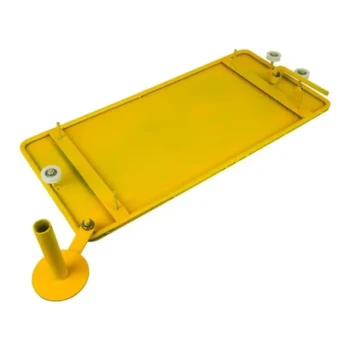
- HONESTBEE Durable Frame Wiring Board with Integrated Tensioner
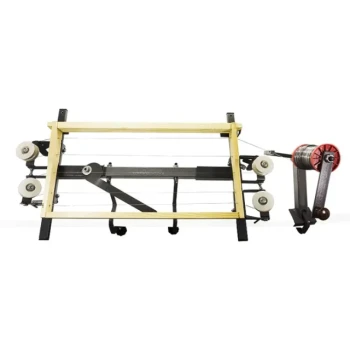
- Professional Bee Frame Wiring Tool with Integrated Tensioning System by HONESTBEE
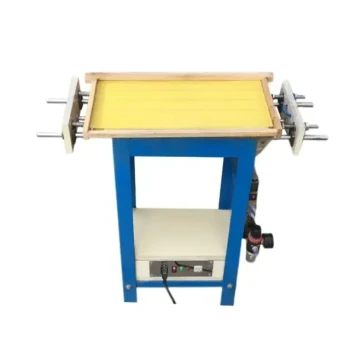
- Professional Pneumatic Wire Embedder for Beehive Frames
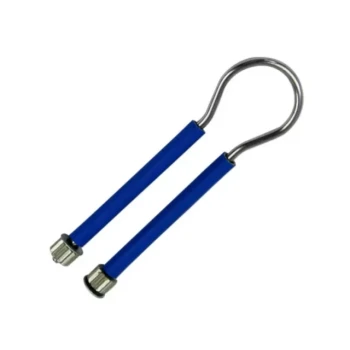
- HONESTBEE Loop Handle Frame Wire Crimper
- HONESTBEE Adjustable Voltage Wire Embedder with Digital Display
People Also Ask
- What tools and materials are required for wiring a beehive frame? Essential Equipment for Stronger Honeycomb
- How to wire a bee frame? A Step-by-Step Guide for Strong, Durable Honeycomb
- What is the final step in wiring a frame? Secure Lasting Tension for a Durable Hive
- What is minimalist bee frame wiring? Learn the Risks and Benefits for Beekeeping
- What factors determine the amount of wiring needed in beehive frames? Tailor Your Strategy for Your Climate