The fundamental difference lies in throughput mechanics and production scalability. A single-lane honey stick machine processes one unit per cycle, making it a compact solution for entry-level operations. In contrast, a multi-lane machine utilizes parallel processing channels to form, fill, and seal numerous sticks simultaneously, enabling industrial-grade output rates.
Core Insight: Your choice between single and multi-lane machinery is effectively a choice between footprint efficiency and production velocity. Single-lane models fit space-constrained facilities with lower quotas, while multi-lane systems are engineered for high-speed synchronization, capable of outputting thousands of units per minute.
Single-Lane Machines: The Entry-Level Standard
Ideal for Space Constraints
The single-lane machine is engineered with a focus on physical compactness. Because it only requires the mechanical components to drive one lane, the overall machine footprint is significantly smaller.
This makes it the logical choice for production floors with limited square footage. It allows smaller operations to introduce automation without requiring a massive facility overhaul.
Production Limitations
The primary constraint of this design is its 1:1 cycle ratio. For every machine cycle, only one honey stick is produced.
While this limits total output capacity, it simplifies operation. This makes it best suited for startups, pilot lines, or boutique brands where volume requirements are modest.
Multi-Lane Machines: Industrial Scalability
High-Volume Parallel Processing
Multi-lane machines are defined by their ability to multiply output without multiplying the cycle time. These units feature multiple processing tracks, ranging from two lanes up to 20 lanes on advanced models.
By running these lanes in parallel, the machine multiplies its production capacity by the number of active lanes.
Synchronized Efficiency
To handle this volume, multi-lane machines utilize synchronized forming, filling, and sealing mechanisms. This ensures that every lane operates in perfect unison, maintaining consistent quality across all tracks.
The output potential is massive. High-end multi-lane models can achieve speeds of up to 1,600 honey sticks per minute, making them essential for large-scale packaging lines.
Context: Defining the Output
Before selecting a machine, it is critical to confirm that a "stick" format matches your product requirements.
Stick vs. Sachet Configuration
A honey stick machine creates a long, narrow, tube-like package, typically sealing the back, top, and bottom. This geometry is specifically optimized for free-flowing materials like honey or thin liquids.
This differs from sachet machines, which produce flat, rectangular 3-side or 4-side seal packs. While sachets can handle viscous pastes and are common in pharmaceuticals, the stick format is the standard for single-serve liquid food and beverage products.
Understanding the Trade-offs
Complexity vs. Throughput
The jump to multi-lane machinery brings increased maintenance complexity. Aligning and calibrating 20 lanes requires more technical expertise than maintaining a single lane.
Conversely, reliance on a single-lane machine creates a production bottleneck. If your demand spikes, a single-lane unit has a hard ceiling on how fast it can run, potentially stalling business growth.
Making the Right Choice for Your Goal
Selecting the correct architecture depends entirely on your current volume requirements and your facility's physical limitations.
- If your primary focus is starting small or saving space: Choose a single-lane machine to minimize initial investment and fit within a constrained production floor.
- If your primary focus is maximizing output speed: Choose a multi-lane machine (potentially up to 20 lanes) to achieve industrial rates of over 1,000 units per minute.
- If your primary focus is product consistency: Ensure you are selecting a stick machine specifically for free-flowing honey, rather than a sachet machine designed for pastes.
Align your hardware choice with your volume projections to ensure your production line is an asset, not a bottleneck.
Summary Table:
| Feature | Single-Lane Machine | Multi-Lane Machine |
|---|---|---|
| Throughput | Low (1 unit per cycle) | High (Multiplied by lane count) |
| Footprint | Compact & Space-saving | Larger Industrial footprint |
| Max Speed | Ideal for startups | Up to 1,600+ sticks/minute |
| Complexity | Simple operation/maintenance | High synchronization requirements |
| Best Use Case | Small batches & boutique brands | Large-scale commercial production |
Maximize Your Production Efficiency with HONESTBEE
Whether you are a growing commercial apiary or a global distributor, HONESTBEE provides the precision machinery and beekeeping tools necessary to scale your operations. From compact single-lane units to high-speed 20-lane honey-filling machines, our comprehensive wholesale portfolio is designed to eliminate bottlenecks and ensure consistent product quality.
Our value to you:
- High-Volume Solutions: Industrial-grade honey stick and sachet machinery.
- Full Spectrum Supply: Beekeeping hardware, hive-making tools, and essential consumables.
- Industry Expertise: Specialized equipment tailored for free-flowing honey products.
Ready to upgrade your packaging line or stock your distribution center? Contact us today to discuss how our specialized hardware and beekeeping solutions can drive your business growth.
Related Products
- Honey Stick Filler Vertical Paste Sachet Packing Machine for Honey Sachets
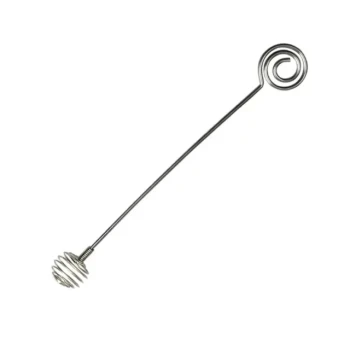
- Modern Stainless Steel Honey Dipper Stirrer
- Professional Plastic Honey Dipper for Easy Honey Drizzling
- Automatic Single-Dose Snap & Squeeze Honey Sachets Packing Machine
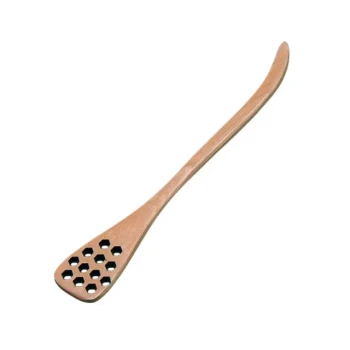
- Modern Honeycomb Pattern Wooden Honey Dipper for Stirring and Drizzling
People Also Ask
- How do honey stick and honey sachet machines differ? Choose the Right Packaging for Your Honey
- What are the main functions of a honey sachet packing machine? Boost Efficiency with Automated Precision
- What are the advantages of honey sachet packing machines? Boost Efficiency & Unlock New Markets
- What types of filling and packing machines are available for different scales of honey production? Expert Solutions
- What is the working principle of a honey stick packing machine? Automate Your Honey Production Line