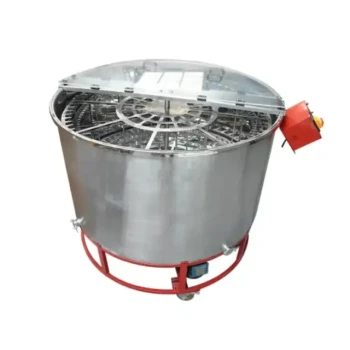
The economic value of integrating Catnip cultivation with automated processing lies in creating a continuous, high-value production cycle. By securing a high-quality nectar source from late spring to autumn and coupling it with precision manufacturing, commercial apiaries can stabilize production volumes. This synergy lowers labor costs while simultaneously creating a premium, medicinal-grade product that commands a higher market price.
By combining the extended bloom period and medicinal properties of Catnip with the precision of automated harvesting, commercial apiaries can achieve stable, high-volume production. This strategy significantly enhances the added value of the final product while streamlining the supply chain to improve overall profit margins.
Optimizing the Biological Input
To understand the economic gain, one must first look at the raw material source. Catnip (Nepeta cataria) offers distinct advantages over standard forage.
Extending the Production Window
Catnip blooms consistently from late spring to autumn. This extended flowering period eliminates common forage gaps, ensuring bee colonies remain productive for a larger portion of the fiscal year.
Enhancing Product Value
The nectar produces honey with specific medicinal values. This allows the apiary to differentiate its product in a crowded market, shifting from selling generic bulk honey to offering higher-priced, value-added health products.
Increasing Colony Efficiency
Because the nectar and pollen sources are high-quality and stable, bee colonies maintain better health and higher energy levels. This directly correlates to increased production efficiency, maximizing the output per hive.
Leveraging Automation for Margin Growth
While Catnip improves the input, automated equipment optimizes the output, capturing the value created by the bees.
Reducing Labor Costs
Specialized filling and labeling machines significantly lower the manual labor required for retail preparation. By automating these repetitive tasks, operations can reallocate human resources to hive management or sales.
Precision Dosing and Packaging
Automated fillers use high-precision metering to ensure exact product weight. This eliminates "give-away" (overfilling) and ensures consistent, sterile packaging, which is critical for bypassing intermediaries and selling directly to retail.
Standardizing Operations
Automated beehive manufacturing ensures frames and boxes have consistent dimensions. This standardization allows for smoother mechanized extraction and transport, reducing the downtime and breakage associated with incompatible equipment.
The Role of Data in Valuation
Automation provides a secondary economic asset: actionable data.
Quantifying Yields
High-precision processing equipment calculates the actual honey yield of monitored colonies. This converts biological activity into quantifiable economic parameters, allowing owners to track exactly which hives—and which environmental conditions—are most profitable.
Strategic Decision Making
This yield data helps assess the impact of environmental stressors. Operators can use this feedback to adjust their Catnip cultivation or hive placement strategies to protect and maximize output.
Understanding the Trade-offs
While the integration of biology and automation offers high returns, it introduces specific risks that must be managed.
Capital Intensity
Implementing automated harvesting, filling, and hive manufacturing requires significant upfront capital. The return on investment (ROI) relies heavily on the volume of honey produced; low-yield years can make debt service difficult.
Biological Dependency
Relying on specific crops like Catnip creates a single-point-of-failure risk. If the crop suffers from disease or unexpected climate shifts, the expensive automated infrastructure may sit underutilized due to a lack of raw material.
Making the Right Choice for Your Goal
Integrating these systems transforms beekeeping from a variable practice into a predictable manufacturing operation.
- If your primary focus is Premium Margins: Highlight the specific "medicinal value" and purity of the Catnip-derived honey to justify a luxury price point that covers your automation costs.
- If your primary focus is Volume Scalability: Prioritize the standardization of hive components to ensure your automated extraction and filling lines run at maximum throughput without mechanical interruptions.
This integrated approach ultimately secures a competitive advantage by stabilizing the supply chain and elevating the quality of the final product.
Summary Table:
| Economic Driver | Benefit of Catnip Integration | Benefit of Automation |
|---|---|---|
| Production Cycle | Extends bloom from late spring to autumn | Standardized frames ensure smooth extraction |
| Product Value | Creates premium, medicinal-grade honey | Precision filling for retail-ready packaging |
| Cost Efficiency | Reduces forage gaps and colony stress | Minimizes labor costs and product overfill |
| Scalability | Stable nectar source for larger hive counts | Data tracking for quantifiable yield analysis |
Maximize Your Commercial Success with HONESTBEE
At HONESTBEE, we specialize in empowering commercial apiaries and distributors with the tools needed to turn biological potential into high-margin profits. Whether you are looking to scale your operation or refine your product value through medicinal-grade honey, our comprehensive wholesale offerings have you covered.
Our Value to Your Business:
- Precision Machinery: From automated honey-filling and labeling machines to advanced hive-making equipment.
- Standardized Hardware: Durable, consistent beekeeping tools designed for industrial-scale efficiency.
- Total Solutions: A wide array of essential consumables and honey-themed cultural merchandise to diversify your revenue.
Ready to transform your beekeeping operation into a high-performance manufacturing powerhouse? Contact our expert team today to discuss your wholesale needs!
References
- Simona Duda, Marcel DUDA. NEPETA CATARIA - MEDICINAL PLANT OF INTEREST IN PHYTOTHERAPY AND BEEKEEPING. DOI: 10.15835/hpm.v23i1-2.11747
This article is also based on technical information from HonestBee Knowledge Base .
Related Products
- Fully Automatic Honey Filling Packaging Machine for Processing Line
- Automatic Honey Filling and Filtering Machine for Beekeeping Bottle Filling
- Manual Honey Filling Machine Bottling Machine for Honey
- 32 Frame Commercial Electric Honey Extractor for Beekeeping and Honey Production
- Honey Concentrating and Filtering Dehumidifier Machine 2T Capacity for Honey
People Also Ask
- Why are fully automatic honey filling and packaging lines essential? Boost Your Honey's Market Value and Quality
- What is a fully-automatic honey filler? Streamline Your Production with High-Precision Automation
- How do automated honey filling and packaging machines affect profitability? Boost Margins with HONESTBEE Technology
- How do automated honey filling and packaging machines contribute to the market value of honey products? Maximize Your ROI
- How do industrial-grade automated honey filling and packaging machines mitigate the risk of physical contamination?