The filtering and straining double boiler method is a purification technique designed to safely melt beeswax using indirect heat before physically removing impurities. By placing a smaller container of wax inside a larger pot of simmering water, you ensure the wax melts slowly and uniformly without scorching, after which the liquid is poured through a filter material—such as cheesecloth or nylon—to separate debris from the clean wax.
This method acts as the "gold standard" for small-scale wax rendering because it decouples the wax from the direct heat source, virtually eliminating the risk of flash fires while allowing for precise mechanical filtration of particulates.
The Mechanics of Indirect Heating
Why the Double Boiler Matters
Beeswax is highly flammable and sensitive to temperature. Direct heat can easily cause the wax to overheat, darken, or catch fire.
The double boiler system uses a water bath to cap the maximum temperature. The boiling water heats the inner container, ensuring the wax never exceeds 100°C (212°F), which keeps it safely below its flash point.
The Equipment Setup
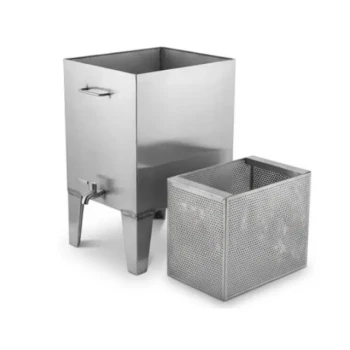
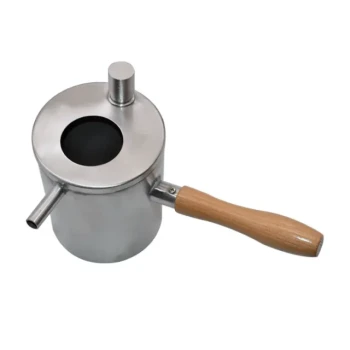
To create this setup, you need two nesting containers. The base is a large stockpot filled partly with water.
The inner vessel holds the raw wax. This should be a metal bowl or saucepan that rests on the rim of the stockpot or floats safely, ensuring it does not touch the bottom of the water pot where the heat is most intense.
Material Safety
Do not use glass or plastic for the inner container. Supplementary data indicates these materials can shatter or melt under sustained heating. Always use metal vessels for wax processing.
The Purification Process
Step 1: Melting
Place your raw beeswax into the inner metal container. Bring the water in the lower pot to a light simmer.
Allow the steam and hot water to melt the wax gradually. This process usually takes around 15 minutes, depending on the volume.
Step 2: Filtration
Once the wax is fully liquid, prepare your straining setup. The primary reference suggests using cheesecloth, nylon fabric, or a paint strainer.
Carefully pour the hot, liquid wax through this material. The fabric catches impurities like bee parts, propolis, and dirt, allowing only clean liquid wax to pass through.
Step 3: Solidification
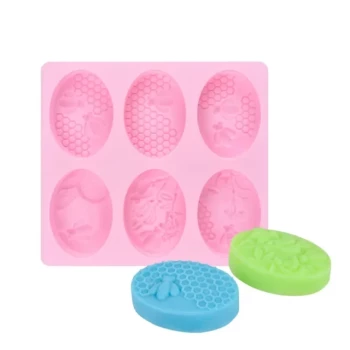
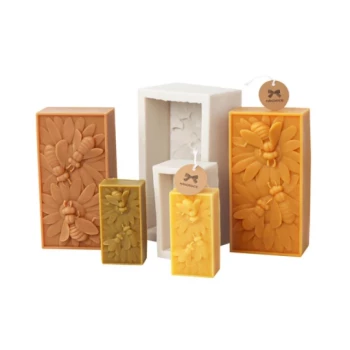
Direct the strained wax into a flexible, heat-resistant mold.
Allow the wax to cool completely undisturbed. As it solidifies, it will form a clean block ready for use in candles or cosmetics.
Common Pitfalls and Trade-offs
The "Sacrificial" Equipment Rule
Beeswax is notoriously difficult to clean. It creates a sticky residue that is nearly impossible to remove completely from cookware.
You must sacrifice the equipment used. Any bowl, pot, or utensil used in the inner chamber of the double boiler should be permanently designated for wax work and never used for food preparation again.
Water Contamination Risks
Unlike the "water bath" method (where wax is melted directly in water), the double boiler method is dry.
You must prevent the simmering water from splashing into the inner wax pot. Water trapped in the wax can cause sputtering in candles or spoilage in balms.
Texture and Quality
Simmering water should not mix with the wax, as this can negatively impact the texture of the finished product. Maintaining a gentle simmer rather than a rolling boil helps prevent splashing.
Making the Right Choice for Your Goal
This method is precise, but it requires specific handling to ensure safety and quality.
- If your primary focus is cosmetic purity: Use tightly woven nylon fabric as your strainer to catch the finest particulates, ensuring a smooth texture for balms.
- If your primary focus is safety: Ensure your inner pot is metal and fits securely over the water pot to prevent tipping or splashing water into the wax.
Control the heat, sacrifice the pot, and strain carefully for professional-grade results.
Summary Table:
| Component | Requirement | Purpose |
|---|---|---|
| Heat Source | Double Boiler (Indirect) | Prevents scorching and eliminates fire risk |
| Inner Vessel | Metal Pot/Bowl | Safe melting; avoids shattering or melting |
| Max Temp | 100°C (212°F) | Keeps wax safely below its flash point |
| Filter Material | Cheesecloth, Nylon, or Paint Strainer | Removes bee parts, propolis, and debris |
| Equipment Status | Dedicated (Sacrificial) | Beeswax residue is permanent and non-food safe |
Elevate Your Wax Processing with HONESTBEE
Are you a commercial apiary or distributor looking to scale your production? HONESTBEE provides the professional-grade tools you need to transition from small-scale rendering to industrial efficiency.
We specialize in high-performance beekeeping machinery, including honey-filling machines and hive-making equipment, alongside a full catalog of wholesale beekeeping tools and consumables. Our solutions are designed to ensure purity, safety, and high-yield results for our partners worldwide.
Ready to optimize your supply chain? Contact us today to discuss our comprehensive wholesale offerings and discover how we can support your business growth.
Related Products
- Beeswax Machine Press Embosser Wax Foundation Mold Printer Bee Hive Equipment Making Sheet
- Beeswax Foundation Sheets Beehive Foundation for Wholesale
- Colorful Silicone Beeswax Foundation Mold Mould for Beekeeping
- Economy Manual Beeswax Embossing Mill Wax Foundation Machine Roller
- Electric Beeswax Flat Sheet Machine with Operating Tray for Wax Processing
People Also Ask
- What equipment is needed to make beeswax foundation? A Guide to DIY Wax Sheet Production
- What miscellaneous equipment is needed for making foundation? A Guide to the Essential Tools
- What miscellaneous equipment is useful when making beeswax foundation? Essential Support Tools for Beekeepers
- What specific equipment is required for making beeswax foundation? Essential Tools for High-Quality Production
- What is the recommended temperature for melting beeswax to make foundation sheets? Master the 70°C-80°C Ideal Range