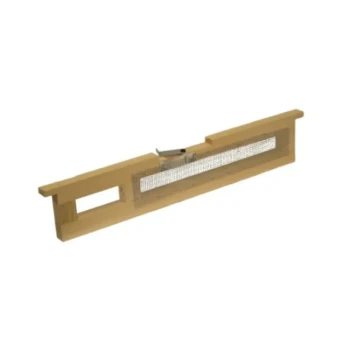
A specialized pseudoscorpion breeding frame functions as a dedicated biological control carrier designed to suppress hive pests naturally. This hardware component is installed directly into standard beehives and features a surface engineered with high-density artificial crevices and textures. Its primary purpose is to provide a protected, concentrated habitat that encourages the breeding of pseudoscorpions, which are natural predators of harmful arthropods like Varroa mites.
By integrating these frames, beekeepers can actively manage the density of beneficial predators within the hive. This creates a sustainable defense system that inhibits mite population growth without relying on chemical interventions.
The Mechanics of Biological Control
Creating a Strategic Micro-Habitat
The core innovation of the breeding frame is its structure. Pseudoscorpions require specific physical conditions to thrive, specifically tight spaces for security and reproduction.
The frame’s design mimics these conditions through artificial crevices and texturing. This transforms a standard hive component into a high-density nursery for beneficial predators.
Managing Predator Density
Unlike passive biological control, where a beekeeper hopes for predators to arrive, this system allows for active management. The primary reference indicates that beekeepers can control the intensity of the defense by adjusting the number of breeding frames used.
This scalability ensures that the population of pseudoscorpions is sufficient to match the threat level of the pest infestation.
The Strategic Role in IPM
Targeted Mite Inhibition
The ultimate goal of installing these frames is the reduction of harmful arthropods. The pseudoscorpions housed in these frames actively hunt pests, with a specific efficacy against Varroa mites.
By fostering a resident population of predators, the hive maintains a constant, low-level pressure on the mite population, preventing rapid infestations.
Aligning with Organic Standards
Using breeding frames supports a chemical-free apiary management style. As noted in the supplementary data, organic standards prioritize physical and biological methods over chemical drugs.
By relying on predation rather than pesticides, you avoid the risk of chemical residues in honey and wax. This is essential for maintaining organic certification and ensuring product purity.
Understanding the Trade-offs
Equipment vs. Production Space
Introducing a specialized breeding frame implies a spatial trade-off within the hive. A frame dedicated to housing pseudoscorpions is a frame that cannot be fully utilized for brood rearing or honey storage.
Prevention vs. Remediation
While these frames are excellent for inhibiting population growth, they are primarily a preventive or maintenance tool.
If a hive is already overwhelmed by pathogens or parasites, biological control may be too slow. In such critical failure scenarios, immediate physical treatments—such as steam or open flame disinfection—may be required to save the colony.
Integrating Breeding Frames into Your Apiary
To effectively use this technology, assess your current pest levels and management goals.
- If your primary focus is Organic Certification: Prioritize these frames to establish a prophylactic biological defense that avoids all risk of chemical residue.
- If your primary focus is Active Infestation Management: Use these frames to maintain low mite levels, but remain ready to deploy physical disinfection methods (steam/heat) if prevention fails.
Success with this strategy relies on viewing the hive not just as a honey factory, but as a balanced ecosystem where you engineer the advantage for the beneficial species.
Summary Table:
| Feature | Function & Impact | Purpose within IPM |
|---|---|---|
| Artificial Crevices | Creates a high-density nursery for beneficial predators | Biological Habitat |
| Scalable Density | Beekeepers can adjust predator levels by adding frames | Population Control |
| Targeted Predation | Pseudoscorpions actively hunt and suppress Varroa mites | Pest Suppression |
| Chemical-Free | Eliminates the need for synthetic pesticides and drugs | Organic Compliance |
| Spatial Trade-off | Replaces honey/brood space with a defense zone | Strategic Resource Allocation |
Elevate Your Beekeeping with Sustainable Biological Solutions
Transitioning to chemical-free apiary management requires more than just passion—it requires the right specialized equipment. HONESTBEE empowers commercial apiaries and distributors with high-performance tools designed for the modern age of beekeeping. From pseudoscorpion breeding frames and hive-making machinery to professional honey-filling systems, our comprehensive wholesale portfolio ensures your operation meets strict organic standards while maintaining peak efficiency.
Whether you are scaling a commercial apiary or supplying the next generation of beekeepers, our expert team is ready to provide the specialized hardware and industry consumables you need to succeed.
Ready to optimize your hive's ecosystem? Contact us today to explore our full product range!
References
- B. J. Donovan, Flora Paul. Pseudoscorpions: the forgotten beneficials inside beehives and their potential for management for control of varroa and other arthropod pests. DOI: 10.1080/0005772x.2005.11417322
This article is also based on technical information from HonestBee Knowledge Base .
Related Products
- Professional Wooden Requeening Frame for Beekeeping
- Wooden Bee Hive Frames for Beekeeping and Wholesale
- Plastic Bee Frame Beekeeping Hive Frames for Wholesale
- JZBZ Langstroth Queen Rearing Frame for Beekeeping
People Also Ask
- What are the primary functions of beekeeping frames? Boost Efficiency with Professional Hive Management
- What are the best practices for assembling beekeeping frames? Pro Tips for Maximum Durability & Efficiency
- How are deep, medium, and shallow frames typically used in beekeeping? Optimize Your Hive Setup
- What are the characteristics of wooden frames in beekeeping? Unlock Natural Flexibility & Cost-Effectiveness
- What are the common specifications for wooden beekeeping frames used in colony expansion? Your Complete Guide