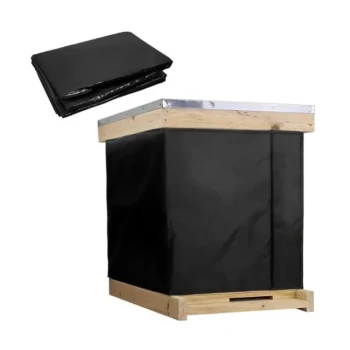
Environmental climate control systems function as the metabolic regulators of indoor honey bee overwintering. By maintaining precise temperature (typically 4–5°C) and humidity (50–60% RH) levels, these systems create a stable microclimate that minimizes the colony's energy expenditure, significantly reduces winter mortality rates, and preserves population strength for the spring pollination season.
The core value of these systems lies in decoupling the colony from external weather volatility. By enforcing a stable, cool, and dark environment, you effectively force the colony into a dormant, energy-efficient state that halts physiological aging and prevents resource exhaustion.
Optimizing Colony Physiology
Reducing Metabolic Activity
The primary biological goal of climate control is to lower the metabolic rate of the bees. In outdoor settings, drastic temperature fluctuations force bees to consume energy to generate heat; indoor stability removes this metabolic burden.
Conserving Winter Stores
Because the bees are not expending energy to fight freezing temperatures, they consume significantly less of their stored honey. This preservation of food stores is critical for preventing late-winter starvation.
Halting Physiological Aging
Consistent low temperatures keep the colony in a static "clustering" state. This prevents unnecessary flight or foraging activity, effectively stopping the biological aging process of adult worker bees so they remain viable for spring.
Precision Environmental Regulation
The Temperature Sweet Spot
Primary reference data indicates the optimal temperature range is 4–5°C, though some facilities operate between 2–5°C. This specific range is cold enough to keep bees clustered and dormant, but warm enough to prevent cold stress.
Humidity Management
maintaining relative humidity at 50–60% RH is equally critical. This balance prevents the desiccation of the bees while avoiding the excess moisture that promotes mold growth and spoilage.
The Role of Darkness
Supplementary data highlights that these facilities typically maintain total darkness. This eliminates light triggers that might stimulate flight activity, further enforcing the dormant, energy-conserving state.
Advanced Monitoring and Automation
Data-Driven Adjustments
Modern systems utilize high-precision sensors to record temperature, humidity, and colony mass every 20 minutes. This data allows for the construction of comprehensive environmental profiles to predict survival rates.
Regulating Brood Rearing
Automated controls can be used to manipulate the biological clock of the hive. By keeping temperatures strictly low, the system inhibits premature brood rearing caused by false "warm spells" outside.
Spring Preparation
Conversely, as spring approaches, automated systems can adjust heating to stimulate brood rearing at the exact right moment. This ensures the colony enters the foraging season with optimal population numbers.
Understanding the Trade-offs
Equipment Dependency
Reliability is the single greatest risk in indoor climate control. A failure in the cooling or ventilation system can lead to rapid overheating or CO2 buildup, which can be fatal to the colonies in a confined space.
Complexity of Management
While these systems reduce biological risks, they introduce technical complexity. Operators must be skilled in interpreting sensor data (mass changes and humidity levels) to make correct decisions regarding when to stimulate or inhibit colony activity.
Making the Right Choice for Your Goal
To maximize the effectiveness of an indoor overwintering system, align your settings with your specific objectives:
- If your primary focus is Maximum Survival Rates: Maintain a strict 4–5°C temperature and total darkness to minimize metabolic stress and halt physiological aging.
- If your primary focus is Resource Conservation: Prioritize humidity control (50–60% RH) alongside temperature to prevent the spoilage or crystallization of honey stores.
- If your primary focus is Early Spring Pollination: Utilize automated heating adjustments late in the winter to stimulate brood rearing before the bees are moved outdoors.
Success in indoor overwintering is not just about keeping bees cold; it is about providing the stability they need to suspend their biological clock until spring.
Summary Table:
| Key Feature | Optimal Setting | Primary Biological Function |
|---|---|---|
| Temperature | 4–5°C | Lowers metabolic rate and enforces dormancy |
| Humidity | 50–60% RH | Prevents bee desiccation and mold growth |
| Lighting | Total Darkness | Eliminates flight triggers to conserve energy |
| Air Quality | Continuous Ventilation | Prevents CO2 buildup and heat spikes |
| Automation | Sensor-Driven | Regulates brood rearing and monitors hive mass |
Secure Your Apiary’s Future with HONESTBEE
Transitioning to indoor overwintering requires precision and reliability. HONESTBEE empowers commercial apiaries and global distributors with the professional-grade infrastructure needed to protect your colonies. From high-capacity hive-making machinery to specialized honey-processing equipment and essential beekeeping consumables, we provide the full spectrum of tools to scale your operations.
Why partner with HONESTBEE?
- Comprehensive Wholesale Range: One-stop sourcing for tools, machinery, and honey-themed merchandise.
- Commercial Expertise: Tailored solutions for large-scale operations and distribution networks.
- Enhanced Productivity: Advanced equipment designed to minimize winter losses and maximize spring strength.
Ready to elevate your beekeeping business? Contact our experts today to discuss how our wholesale solutions can optimize your overwintering success.
References
- C. Dufour, Pierre Giovenazzo. The impact of lowbush blueberry (Vaccinium angustifolium Ait.) and cranberry (Vaccinium macrocarpon Ait.) pollination on honey bee (Apis mellifera L.) colony health status. DOI: 10.1371/journal.pone.0227970
This article is also based on technical information from HonestBee Knowledge Base .
Related Products
- HONESTBEE AC Powered Wire Embedder with Alligator Clips
- Professional Insulated Winter Hive Wrap for Beekeeping
- Inner Beehive Cover for Beekeeping Bee Hive Inner Cover
- Stainless Steel Round Beehive Air Vents for Ventilation
People Also Ask
- How can combs be further strengthened? Embed Wires for Durable, High-Yield Hives
- What is an embedder in beekeeping? Essential Tool for Strengthening Wax Foundation & Hive Frames
- Why must strict sanitary and health prevention protocols be implemented for honeybee transport? Maximize Colony Survival
- What are the primary indicators of healthy honeybee colonies? Optimize Your Commercial Apiary for Peak Productivity
- Why must honeybee samples be stored in high-concentration ethanol and low temperatures? Ensure Genetic & Physical Integrity