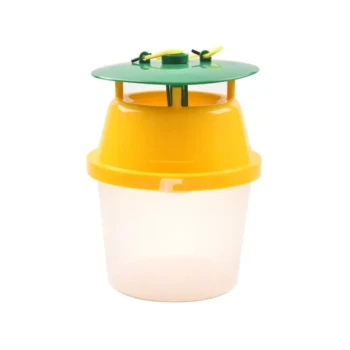
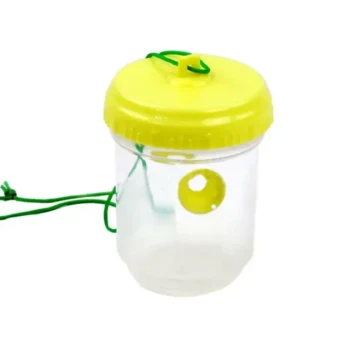
Professional propolis induction traps function as a precision harvesting tool designed to exploit the natural biological instincts of honeybees. By simulating specific structural imperfections—specifically cracks and gaps—these devices trigger the colony’s drive to seal the hive, resulting in the deposition of pure resinous material into a standardized grid for easy removal.
By replacing manual scraping with behavioral induction, these traps fundamentally change the raw material profile: they isolate the propolis from the hive structure, delivering a contaminant-free input critical for high-grade medicinal extraction.
The Mechanics of Induced Collection
Mimicking Structural Vulnerabilities
The core function of an induction trap is to simulate a compromised hive wall. The traps feature specific grid openings or gaps that mimic cracks in the beehive.
Bees perceive these artificial gaps as threats to the colony's insulation and security. This triggers an immediate, instinctive response to collect plant resins and secrete propolis to seal the "openings."
Standardizing the Harvest
Unlike traditional methods that rely on random deposition, traps utilize specific-width grid openings or specialized curtains.
This design significantly increases the available contact area for propolis deposition. It forces the bees to deposit the material in a uniform, accessible configuration, allowing for a standardized collection process that does not damage the hive structure.
Elevating Material Purity
Exclusion of Physical Contaminants
The most critical function of these traps is the mechanical separation of propolis from the wooden hive components.
Because the bees deposit resin directly onto the plastic trap or mat, the harvesting process does not involve scraping the hive walls. This effectively eliminates wood chips, which are the most common impurity in manually scraped propolis.
Reduction of Biological Debris
Precision collection equipment is designed to isolate the resin accumulation zone from general hive traffic.
This placement minimizes the inclusion of dead bees and other biological debris. The result is a significantly higher initial purity of the raw material compared to floor scrapings or frame cleaning.
Consistency for Downstream Extraction
By controlling the deposition environment, induction traps ensure quality consistency across different harvests.
This high "initial purity" is a prerequisite for professional processing. It streamlines the subsequent extraction phases, ensuring the final product retains the necessary medicinal value and meets commercial grade standards.
Operational Considerations
Equipment Specificity
While effective, this method requires the deployment of specialized consumables, such as plastic traps, mats, or curtains.
Harvesting Discipline
To maintain the purity advantages, the traps must be removed and processed according to specific schedules. Leaving them too long may result in the bees "over-propolizing" or adding wax to the mixture, which can alter the chemical profile.
Making the Right Choice for Your Goal
To maximize the value of your apiary's output, consider how the function of these traps aligns with your end-product requirements:
- If your primary focus is Pharmaceutical Grade Extracts: You must use induction traps to ensure the raw material is free of wood chips and biological debris, guaranteeing the highest medicinal value.
- If your primary focus is Operational Efficiency: Utilize these traps to standardize the collection workflow, allowing for clean harvesting without the labor-intensive need to repair hive structures damaged by scraping.
The function of a propolis trap is ultimately to convert a defensive bee behavior into a controlled, sanitary manufacturing process.
Summary Table:
| Feature | Traditional Manual Scraping | Professional Induction Traps |
|---|---|---|
| Harvesting Method | Physical scraping of hive parts | Behavioral induction via grid gaps |
| Purity Level | Low (includes wood chips/debris) | High (isolated resin deposition) |
| Hive Impact | Potential structural damage | Non-invasive and protective |
| Consistency | Highly variable | Standardized grid configuration |
| Primary Use Case | Small-scale / Low-grade output | Pharmaceutical & Commercial grade |
Scale Your Propolis Production with HONESTBEE
As a dedicated partner to commercial apiaries and global distributors, HONESTBEE understands that purity is the foundation of value. Our professional propolis induction traps are designed to streamline your workflow while delivering the contaminant-free raw material required for high-grade extracts.
Beyond collection tools, we offer a comprehensive wholesale portfolio—from hive-making machinery and honey-filling equipment to essential consumables and cultural merchandise.
Ready to upgrade your apiary’s efficiency and product quality?
Contact HONESTBEE Today to explore our wholesale solutions and secure the specialized equipment your business needs to thrive.
References
- Jelena Šuran, Josipa Vlainić. Nonaqueous Polyethylene Glycol as a Safer Alternative to Ethanolic Propolis Extracts with Comparable Antioxidant and Antimicrobial Activity. DOI: 10.3390/antiox10060978
This article is also based on technical information from HonestBee Knowledge Base .
Related Products
- 8 Frame and 10 Frame Propolis Trap Collector Screen for Propolis Collection
- 30 cm Plastic Entrance Hole Bee Pollen Trap and Collector
- Removable Plastic Pollen Trap With Ventilated Tray for Bees Pollen Collector
- Professional Bucket Style Wasp and Moth Pheromone Trap
- Plastic Beetle Blaster Trap Beekeeping Tools and Supplies
People Also Ask
- Why is a specific wooden frame required when installing a propolis screen? Optimize Your Propolis Harvest Efficiency
- What are the advantages of using propolis collector screens? Elevate Your Harvest to Pharmaceutical Purity
- How do propolis collection screens work? Discover material specs for commercial harvesting equipment
- How does the mesh size of a propolis collection screen influence the efficiency of propolis harvesting? Optimize Yields!
- How do commercial-grade plastic screens compare to custom fine-mesh screens? Maximize Your Propolis Yield & ROI