The primary function of the 10-degree slope and honey outlet valve is to facilitate the complete evacuation of viscous liquid through gravity. The inclined bottom guides the honey toward the single discharge point, preventing it from pooling on the trough floor. This works in tandem with the valve to ensure that even thick, slow-moving honey drains fully without manual intervention.
By eliminating flat surfaces where fluid can stagnate, this design prevents waste in "dead corners" and significantly increases the overall recovery rate of your raw material.
The Mechanics of Efficient Recovery
Overcoming High Viscosity
Honey is a high-viscosity fluid, meaning it resists flow and tends to cling to surfaces. On a flat-bottomed trough, gravity alone is often insufficient to overcome this friction, leading to significant product retention.
The 10-degree slope provides the necessary gravitational force to keep the honey moving. It ensures a continuous flow toward the lowest point of the container, even as the volume decreases.
Eliminating Dead Corners
Standard tanks often suffer from "dead corners"—areas where liquid gets trapped and cannot reach the outlet. This is a primary source of material waste in processing.
The sloped design ensures that no part of the trough bottom is static. It directs all contents toward the honey outlet valve, ensuring that residue does not build up in hard-to-reach angles.
Maximizing Yield
The ultimate goal of this configuration is increasing the raw material recovery rate. By automating the drainage process through simple physics, operators recover the maximum amount of product possible.
This reduces the need for manual scraping or tilting of the machine, which saves time and preserves the integrity of the collected honey.
Operational Considerations and Trade-offs
Passive vs. Active Drainage
While the 10-degree slope is highly effective for minimizing waste, it relies on passive gravity flow. This process is energy-efficient but may be slower than using an active pump system for the final extraction.
Temperature Dependence
The effectiveness of the slope is still subject to the honey's temperature. If the honey becomes too cold and crystallizes or thickens excessively, even a 10-degree slope may require supplemental heating to maintain flow.
Optimizing Your Collection Strategy
To get the most out of this equipment design, consider your specific processing priorities:
- If your primary focus is maximizing yield: Rely on the slope to perform a "final drain" at the end of a cycle to capture valuable product that flat tanks would leave behind.
- If your primary focus is operational speed: Ensure the honey is maintained at a flowable temperature, as the slope requires fluid movement to function effectively.
This design feature transforms the collection trough from a simple storage vessel into an active tool for waste reduction and efficiency.
Summary Table:
| Feature | Function | Primary Benefit |
|---|---|---|
| 10-Degree Slope | Uses gravity to guide honey toward the outlet | Eliminates "dead corners" and pooling |
| Honey Outlet Valve | Controls the final discharge point | Facilitates full, hands-free evacuation |
| Passive Drainage | Moves viscous fluid without manual intervention | Increases raw material recovery rate |
| Design Focus | Optimizes fluid dynamics for high-viscosity liquids | Minimizes waste and reduces cleaning time |
Maximize Your Honey Yield with HONESTBEE Professional Equipment
Don't let valuable product go to waste in inefficient containers. At HONESTBEE, we specialize in empowering commercial apiaries and distributors with high-performance beekeeping machinery and essential consumables.
Our comprehensive range—from sloped honey collection troughs and honey-filling machines to specialized hive-making hardware—is designed to solve the real-world challenges of viscosity and material waste. Whether you are scaling up your production or stocking the latest tools for distribution, we provide the wholesale expertise and durable equipment your business deserves.
Ready to upgrade your processing efficiency? Contact HONESTBEE Today for a Quote
References
- M. A. Al-Rajhi. An Innovative Unit for Scraping Honeycombs. DOI: 10.21608/jssae.2019.43215
This article is also based on technical information from HonestBee Knowledge Base .
Related Products
- Food Grade Plastic Honey Bucket Pail for Beekeeping
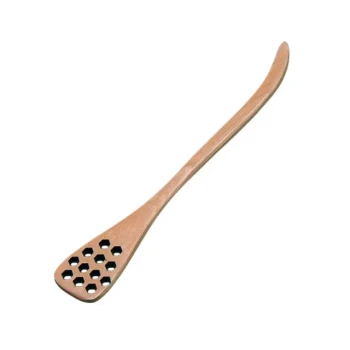
- Modern Honeycomb Pattern Wooden Honey Dipper for Stirring and Drizzling
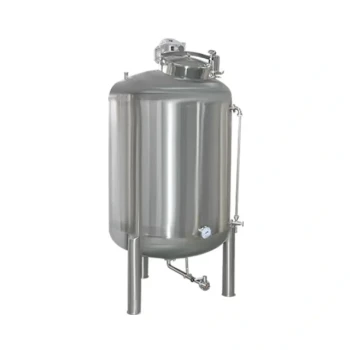
- Stainless Steel Honey Storage Tank with Lid for Honey
- Professional Honey Storage Tank with Agitation System
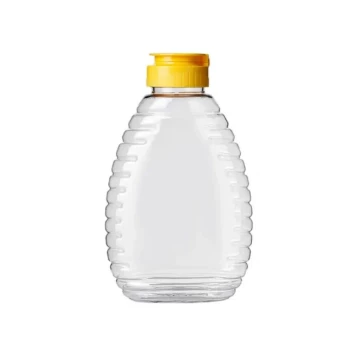
- Squeezable No-Drip Beehive-Shaped Honey Jars with Flip-Top Cap
People Also Ask
- What key operational precautions should be taken when using honey buckets and extractors fitted with bottom drain taps?
- What functions do food-grade honey buckets perform? Safeguard Your Harvest and Optimize Apiary Logistics
- Why are food-grade plastic buckets preferred for honey? Protect Quality with Modern Honey Collection Tools
- What is the significance of food-grade plastic honey collection buckets? Boost Quality in Forest Honey Logistics
- What is a honey pail? The Essential Container for Protecting Your Honey's Value