The bioreactor acts as the critical control vessel for the enzymatic hydrolysis process. It creates and maintains the precise environment required to convert aqueous sucrose into bee candy. By integrating heating and stirring mechanisms, the device ensures that the microbial beta-fructofuranosidase enzyme functions efficiently, resulting in the complete breakdown of sucrose within a 24-hour period.
The bioreactor’s primary value lies in its ability to enforce stability; by regulating temperature and maintaining continuous agitation, it guarantees the total conversion of sucrose into glucose and fructose, producing a feed that bees can easily absorb.
The Mechanics of the Hydrolysis Environment
Thermal Regulation
The bioreactor is responsible for integrating a heating mechanism into the production line. Its function is to establish and maintain a stable temperature throughout the entire process.
This thermal stability is essential for the microbial beta-fructofuranosidase enzyme. Fluctuations in heat could render the enzyme less effective, stalling the chemical conversion.
Continuous Agitation
To facilitate the reaction, the bioreactor employs a stirring mechanism. This provides continuous agitation of the mixture.
The movement ensures that the enzyme maintains optimal physical contact with the aqueous sucrose solution. Without this constant mixing, the reaction would likely be uneven or incomplete.
The Biochemical Output
Complete Sucrose Breakdown
The ultimate function of the bioreactor is to drive the process to completion. It facilitates the total breakdown of sucrose molecules.
By strictly controlling the environment, the machine ensures this hydrolysis is finished within 24 hours.
Transformation into Simple Sugars
The bioreactor converts complex sucrose into simple sugars: glucose and fructose.
This chemical change is the defining purpose of the equipment. It transforms raw ingredients into a finished product specifically designed for the biological needs of bees.
Critical Operational Factors
The Necessity of Time
While the bioreactor automates the environment, it cannot bypass the chemical reality of hydrolysis. The process requires a full 24-hour cycle to ensure the breakdown is "complete."
Cutting this time short, even with a high-quality bioreactor, would likely result in residual sucrose, reducing the quality of the feed.
Biological Compatibility
The machine’s function is directly tied to the biological limitations of the end user—the bee.
The bioreactor is not just mixing ingredients; it is pre-digesting them. The goal is to create a feed that is "more easily absorbed," reducing the metabolic strain on the bees.
Ensuring High-Quality Production
To achieve the best results in bee candy production, focus on the specific outcomes controlled by the bioreactor.
- If your primary focus is feed digestibility: Ensure the bioreactor completes the full 24-hour cycle to guarantee the total conversion of sucrose into glucose and fructose.
- If your primary focus is process consistency: Rely on the integrated heating and stirring mechanisms to eliminate environmental variables that could disrupt enzyme activity.
By leveraging the bioreactor’s ability to stabilize temperature and agitation, you ensure the production of a biologically optimal food source.
Summary Table:
| Feature | Function in Hydrolysis | Benefit for Bee Candy |
|---|---|---|
| Thermal Regulation | Maintains stable heat for enzymes | Prevents enzyme inactivation; ensures reaction speed |
| Continuous Agitation | Uniform stirring of aqueous sucrose | Guarantees optimal enzyme-sucrose contact |
| Sucrose Breakdown | Converts sucrose to glucose & fructose | Produces feed that is easily absorbed by bees |
| Time Management | Enforces a strict 24-hour cycle | Ensures complete chemical conversion and quality |
Elevate Your Apiary Operations with HONESTBEE
At HONESTBEE, we specialize in empowering commercial apiaries and global distributors with professional-grade solutions. Whether you need specialized honey-filling machines, hive-making hardware, or advanced bioreactors for bee candy production, our comprehensive wholesale offering has you covered.
Our mission is to provide the beekeeping industry with the tools, machinery, and essential consumables needed to maximize productivity and hive health. Let us help you streamline your production line and deliver superior quality to your customers.
Ready to scale your beekeeping business? Contact us today to explore our full spectrum of equipment!
References
- G. Madzgarashvili, E. Kobakhidze. Innovative Technology of Making Candy (Paste Food) for Bees. DOI: 10.37745/ejfst.2013/vol11n13135
This article is also based on technical information from HonestBee Knowledge Base .
Related Products
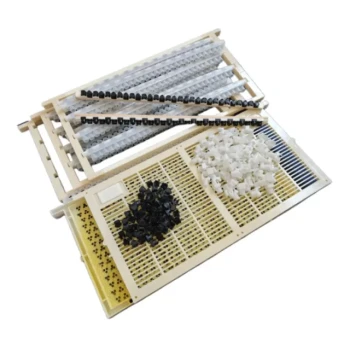
- No Grafting Queen Rearing Kit: System for Royal Jelly Production and Queen Rearing
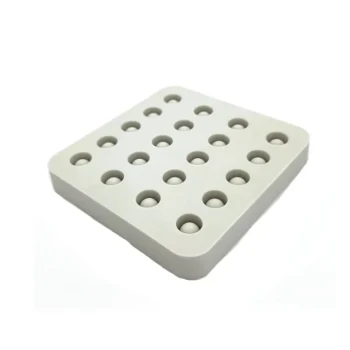
- High-Efficiency 20-Cell Silicone Mold for Beeswax Bee Queen Cup Production
- Mini Desktop Bee Hive Frame Forming Making Machine
People Also Ask
- What is the primary function of a queen rearing kit? Eliminate Manual Grafting for Superior Bee Breeding
- How do specialized queen rearing kits and queen management tools improve the success rate of bee colony expansion?
- What are some alternative methods to grafting for queen cell production? Discover Graft-Free Queen Rearing Systems
- Are queen rearing systems generally suitable for all honeybee species? Master Efficient Breeding Methods
- Are queen rearing systems suitable for all beekeepers? Modern Tools for Every Experience Level