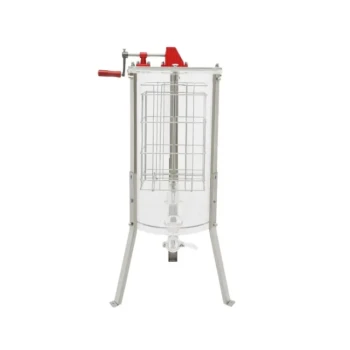
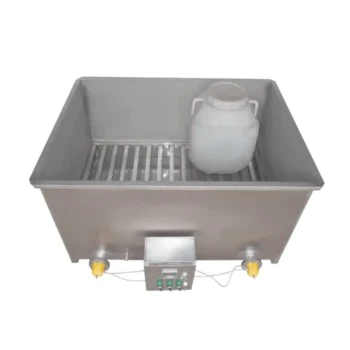
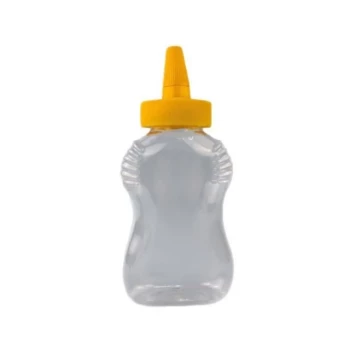
The general workflow for honey production is a systematic process that transforms raw honeycomb into a retail-ready product. It encompasses three distinct phases: harvesting and extraction from the hive, bottling into specific containers, and rigorous labeling to meet regulatory standards. This progression ensures the final product is safe for commercial distribution while maintaining the operational health of the apiary.
The transition from hive to shelf is not merely mechanical; it requires tight coordination between the physical management of the apiary and strict adherence to local retail compliance laws.
Phase 1: Harvesting and Preparation
Before extraction can begin, the beekeeper must manage the biological needs of the colony. This stage focuses on inspection and the careful removal of resources.
Evaluating Colony Resources
The process begins with a thorough inspection of every frame.
Beekeepers must evaluate the honey stores to ensure the colony retains sufficient food for winter survival.
Clearing the Frames
Once suitable frames are identified, they are physically removed from the hive.
The frames must be completely cleared of insects. Beekeepers typically achieve this by brushing or shaking the bees off until the frame is "bee-free."
Transport to Extraction
After the frames are cleared, they are moved away from the active apiary.
They are transported to a dedicated area specifically prepared for the extraction process to prevent contamination and robbing by other bees.
Phase 2: Processing and Commercialization
Once the biological component is managed, the workflow shifts to physical processing and regulatory compliance.
Extraction from the Hive
This is the mechanical removal of honey from the comb.
While methods vary, the core objective is to separate the liquid honey from the wax structure efficiently.
Bottling the Product
Following extraction, the honey is transferred into appropriate containers.
This step prepares the bulk liquid for individual sale and consumption.
Labeling and Compliance
The final step is arguably the most critical for commercial viability: labeling.
The finished product must meet specific regulatory standards. This requires beekeepers to coordinate their operations with local retail laws to ensure the product is legal for shelf distribution.
Understanding the Trade-offs
Producing honey for retail involves balancing yield against long-term sustainability and administrative overhead.
Yield vs. Colony Survival
There is a direct tension between maximizing harvest and ensuring colony health.
Harvesting too aggressively leaves the bees without enough food for winter. A conscientious workflow prioritizes the colony's winter stores over immediate maximum extraction.
Production vs. Compliance
Moving from a hobbyist to a commercial producer introduces significant complexity.
The requirement to meet retail laws and labeling standards adds a layer of administrative work that does not exist in simple extraction. Ignoring this can halt distribution regardless of the honey's quality.
Making the Right Choice for Your Goal
To navigate this workflow effectively, align your focus with your operational scale.
- If your primary focus is Colony Health: Prioritize the inspection phase and ensure you leave ample honey stores for winter before extracting any surplus.
- If your primary focus is Commercial Retail: Focus heavily on the post-extraction phase, specifically ensuring your bottling and labeling processes are fully compliant with local regulations.
A successful honey operation effectively bridges the gap between careful beekeeping and strict regulatory adherence.
Summary Table:
| Production Phase | Key Activities | Focus Area |
|---|---|---|
| Harvesting | Colony inspection, frame clearing, transport | Colony health & winter survival |
| Extraction | Uncapping and mechanical honey removal | Maximizing yield & purity |
| Bottling | Transfer to retail containers | Product preservation |
| Compliance | Labeling and regulatory checks | Market legality & retail standards |
Scale Your Honey Production with HONESTBEE
Transitioning from hive management to commercial retail requires the right tools and professional expertise. At HONESTBEE, we empower commercial apiaries and distributors with a complete range of professional-grade equipment and consumables.
Whether you need specialized honey-filling machines, industrial-scale hive-making hardware, or essential beekeeping tools, we provide the wholesale solutions you need to streamline your workflow and meet global retail standards.
Ready to optimize your honey production line?
Contact our specialists today to discover how our machinery and cultural merchandise can enhance your brand's market value.
Related Products
- Honey Gate Valve with Ergonomic Ball Handle Plastic Bee Honey Tap for Beekeeping Bottling and Honey Extractor Equipment
- Manual Honey Filling Machine Bottling Machine for Honey
- Double Nozzle Small Honey Filling Machine Honey Sachet Packing Packaging Equipment
- Automatic Honey Filling and Filtering Machine for Beekeeping Bottle Filling
- Fully Automatic Honey Filling Packaging Machine for Processing Line
People Also Ask
- How is the flow of honey controlled using a honey gate valve? Master Precise Bottling and Extraction Techniques
- How do you adjust the flow of honey using a honey gate valve? Master Precision Control for Your Bottling Line
- What is the function of the honey gate on the honey press? Master Clean and Precise Bottling Controls
- What is a honey gate and what is its purpose? Master Precision Bottling and Waste Reduction
- Under what conditions should the honey gate be closed? Prevent Messy Spills and Ensure Extraction Efficiency