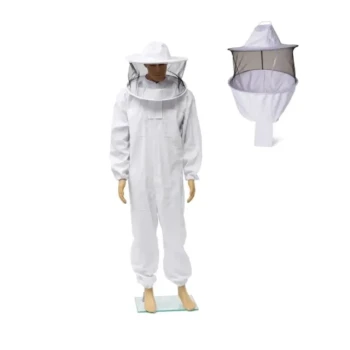
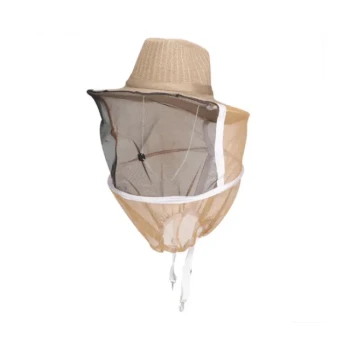
The stability of a honey bee colony relies heavily on defensive infrastructure. Professional protection equipment and physical barriers are not merely accessories; they are the primary defense against pests like termites, ants, and small hive beetles. By physically blocking these threats, you preserve the hive's structural integrity and prevent the colony from abandoning the site, protecting your core biological assets.
Core Takeaway: Effective colony management requires minimizing environmental stress through physical exclusion. By utilizing specialized barriers and hive stands to prevent pest infiltration, beekeepers significantly reduce the risk of colony absconding, ensuring consistent honey production and long-term biological survival.
Securing the Biological Asset
Prevention of Colony Absconding
The most immediate risk to a disturbed colony is absconding—a phenomenon where the entire bee population abandons the hive. This is often a direct reaction to a damaged or infested habitat. Professional protection equipment creates a secure perimeter, ensuring the colony feels safe enough to remain and continue its life cycle.
Defense Against Ground-Based Threats
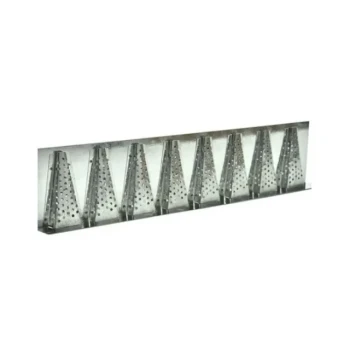
Specialized hive stands are critical for mitigating risks that originate from the soil. By utilizing smooth surfaces or specific protective coatings, these stands act as physical firewalls. They effectively block the climbing paths of ants and small hive beetles, and provide structural defense against larger predators like honey badgers.
Protection of Hive Infrastructure
Beyond the bees themselves, the physical hardware of the apiary is at risk from wood-destroying pests. Barriers prevent termites from accessing the wooden components of the hive. Preserving this infrastructure is essential for maintaining the "dark space" environment bees require and ensuring the longevity of your equipment investment.
Maintaining Environmental Stability
Supporting Thermoregulation
The physical structure of the beehive functions as a climate control system. It is designed to simulate a natural cavity, assisting bees in maintaining a constant internal temperature of approximately 37 degrees Celsius. This thermal stability is a non-negotiable hardware guarantee for successful larval development and overwintering survival.
Managing Moisture and Hygiene
Physical tools play a dual role in resource management and disease prevention. During high-temperature seasons or droughts, professional watering devices are vital for sustaining bee metabolism and temperature regulation. Simultaneously, specialized cleaning tools allow for the removal of debris, preventing bacterial and fungal infections that could compromise the colony's health index.
Operational Efficiency and Control
Safe Manipulation of the Colony
Physical control extends to how the beekeeper interacts with the hive. Tools such as smokers and precision attachments provide mechanical support during inspections. These devices allow for the extraction of honey, beeswax, and royal jelly without causing undue agitation, protecting both the operator and the colony's stress levels.
Data-Driven Oversight
Modern protection includes the integration of high-precision sensors. While physical barriers block external threats, internal sensors monitor weight, humidity, and temperature. This data allows beekeepers to gauge nectar flow intensity or predict swarming events, transitioning management from reactive to proactive.
Understanding the Trade-offs
The Limits of Physical Barriers
While physical barriers like stands and coatings are effective against external intrusion, they cannot resolve internal issues. A secure perimeter does not eliminate the need for internal hygiene maintenance. Regular cleaning and biological control measures are still required to prevent disease outbreaks that originate from within the colony.
The Requirement for Human Intervention
Automated systems and physical hardware provide standardized data and protection, but they do not replace the need for skilled interpretation. Data regarding temperature or weight is only valuable if the beekeeper understands how to apply Best Management Practices (BMP) to address the environmental fluctuations identified by the equipment.
Making the Right Choice for Your Goal
To maximize the potential of your apiary, align your equipment choices with your specific operational objectives:
- If your primary focus is Colony Survival: Prioritize high-quality hive stands with smooth barriers to eliminate ground-based predators and reduce the stress that leads to absconding.
- If your primary focus is Production Scalability: Invest in precision tools and automated sensor systems to monitor nectar flow and streamline the extraction process without agitating the bees.
- If your primary focus is Asset Longevity: Ensure your setup includes protective coatings and termite barriers to safeguard the physical wood infrastructure from degradation.
By integrating robust physical defenses with precision management tools, you transform a fragile colony into a resilient, productive agricultural asset.
Summary Table:
| Protection Category | Key Equipment/Tools | Primary Function | Business Impact |
|---|---|---|---|
| Physical Barriers | Hive Stands & Smooth Coatings | Blocks ants, termites, and ground predators | Prevents absconding & structural loss |
| Climate Control | Insulated Hives & Waterers | Maintains 37°C internal temperature | Enhances larval survival & overwintering |
| Colony Management | Smokers & Precision Tools | Mechanical support during inspections | Reduces colony stress & improves safety |
| Digital Oversight | Weight & Humidity Sensors | Real-time monitoring of nectar flow | Enables proactive, data-driven decisions |
Maximize Your Apiary's Resilience with HONESTBEE
At HONESTBEE, we empower commercial apiaries and distributors with the high-performance hardware needed to secure biological assets and scale production. From specialized hive-making and honey-filling machinery to professional-grade protective tools and essential consumables, our comprehensive wholesale portfolio is designed for industrial-scale success.
Partner with us to gain:
- Durable Infrastructure: Protect your investment from pests and environmental decay.
- Operational Precision: Streamline honey extraction and hive maintenance.
- End-to-End Solutions: Access everything from hardware to honey-themed cultural merchandise.
Ready to elevate your beekeeping operations? Contact us today to explore our wholesale offerings and see how HONESTBEE can deliver long-term value to your business.
References
- M.O Mustafa, Olukayode Dare Akinyemi. Mitigating Effects of Climate Change and Deforestation on Bees With Respect to Their Ecology and Biology. DOI: 10.5296/jee.v6i2.8460
This article is also based on technical information from HonestBee Knowledge Base .
Related Products
- Premium Cowboy Beekeeper Hat with Visibility Veil Outdoor Professional Beekeeping Protective Gear
- Professional Insulated Plastic Bee Hives
- Metal Hive Feet Bee Hive Stand for Ant Protection
- Professional Square Folding Wire Mesh Beekeeping Veil
- Beekeeping Gloves Goatskin Leather with Long Cotton Sleeve for Beekeepers
People Also Ask
- What design features contribute to the stability and fit of the beekeeper hat? Key Features for Maximum Hive Safety
- How is the beekeeper hat designed for comfort and practicality? Explore Key Features for Enhanced Apiary Safety
- What is the general protective gear recommendation for new beekeepers? Your Essential Beginner's Safety Guide
- How does beekeeping protective gear facilitate the queen bee selection process? Enhancing Precision in Queen Breeding
- What should beekeepers consider when choosing protective gear? A Guide for Maximum Safety & Comfort