Mechanical cleaning is the prerequisite for effective sanitation in beekeeping because it removes the physical barriers that block chemical agents from working. Before any disinfectant is applied, you must physically scrape and scrub away wax scraps, propolis, organic dirt, and mummified remains to ensure the chemical can actually reach the surface and the pathogens inhabiting it.
Mechanical cleaning prevents organic matter from neutralizing your disinfecting agents. By removing physical debris, you expose hidden spores and significantly increase the penetration and killing power of the chemicals that follow.
The Problem with Organic Build-up
The Physical Barrier
Beehives, trays, and frames accumulate a significant amount of biological debris. This includes wax scraps, propolis (bee glue), and general organic dirt.
If left on the equipment, these substances create a protective shield. Chemical disinfectants cannot penetrate this layer effectively, leaving the surface underneath untreated and potentially contaminated.
The Risk of Neutralization
Organic matter does not just block chemicals; it actively fights them. Debris can adsorb (hold onto) the disinfecting agents.
This reaction neutralizes the chemical solution, depleting its active ingredients. Consequently, the disinfectant loses its potency before it ever has a chance to kill the targeted bacteria or spores.
Enhancing Chemical Performance
Exposing Hidden Pathogens
Pathogens, particularly spore-forming bacteria, often reside in mummified remains or deep within the material itself.
Mechanical cleaning physically dislodges these reservoirs of infection. By removing the top layer of grime, you expose the pathogens that were previously shielded from contact.
Opening the Pores
Materials used in beekeeping, especially wood, are naturally porous. Pathogens can hide deep inside these microscopic holes.
Scrubbing clears these pores of clogging debris. This clearance is vital for enhancing penetration efficiency, allowing the liquid disinfectant to soak deeply into the material where pathogens may be harboring.
Maximizing Bactericidal Activity
The ultimate goal of sanitation is bactericidal activity—the ability to kill bacteria.
By ensuring the surface is bare and accessible, mechanical cleaning maximizes this activity. It ensures the chemical is applied at full strength directly to the target, rather than being wasted on a layer of wax or dirt.
Common Pitfalls to Avoid
The "Spray and Pray" Error
A common mistake is assuming that soaking or spraying dirty equipment is sufficient.
Applying high-quality disinfectants to uncleaned equipment creates a false sense of security. The equipment looks wet and treated, but the pathogens under the wax and propolis remain alive and viable.
Overlooking Crevices
Mechanical cleaning must be thorough. Simply wiping flat surfaces is rarely enough.
Debris accumulates in corners and frame rests. Failing to mechanically scrape these areas leaves "safe zones" where spores can survive the chemical treatment and re-infect the colony later.
Making the Right Choice for Your Goal
To ensure your sanitation efforts protect your apiary, follow these principles:
- If your primary focus is Disease Control: You must scrape all surfaces until they are free of visible wax and propolis to expose hidden spores.
- If your primary focus is Cost Efficiency: Perform thorough mechanical cleaning to prevent organic matter from neutralizing your expensive chemical disinfectants, ensuring you don't waste product.
Sanitation is a two-step process: you must physically reveal the pathogen before you can chemically destroy it.
Summary Table:
| Stage | Action | Primary Purpose |
|---|---|---|
| Mechanical Cleaning | Scraping wax, propolis, and debris | Removes physical barriers and exposes hidden pathogens. |
| Chemical Disinfection | Applying disinfectant agents | Kills bacteria, spores, and viruses on accessible surfaces. |
| The Synergy | Two-step process | Prevents chemical neutralization and maximizes penetration into porous materials. |
Maximize Your Apiary Productivity with HONESTBEE
For commercial apiaries and beekeeping distributors, maintaining a disease-free environment is the foundation of a profitable operation. HONESTBEE is your dedicated partner in hive health and operational efficiency. We provide a comprehensive wholesale range of:
- Advanced Machinery: Hive-making and honey-filling machines to scale your production.
- Durable Hardware: Professional-grade beekeeping tools and hive equipment designed for longevity.
- Industry Consumables: Essential supplies required for high-volume apiary management.
- Cultural Merchandise: Unique honey-themed products to expand your market reach.
Don't let inefficient sanitation practices compromise your stock. Our expertise in supplying large-scale operations ensures you get the right tools to protect your investment and optimize your workflow.
Ready to elevate your wholesale supply chain? Contact HONESTBEE today for specialized support and bulk pricing.
References
- D.V. Gruznov, Olga A. Gruznova. Studying the effectiveness of disinfectants for ascospherosis of bees in laboratory and apiary conditions. DOI: 10.1051/bioconf/202410803014
This article is also based on technical information from HonestBee Knowledge Base .
Related Products
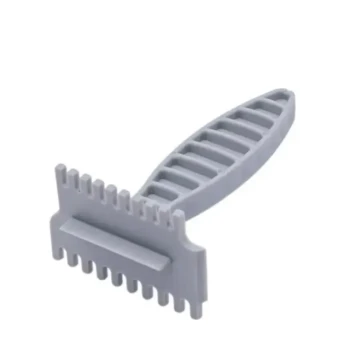
- Lightweight Durable Plastic Queen Excluder Scraper for Beekeeping
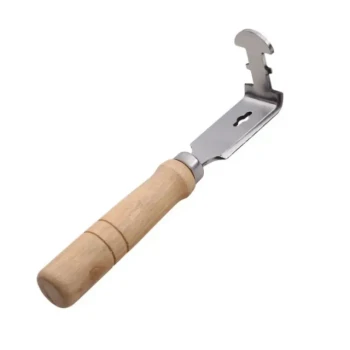
- Precision Stainless Steel Frame Cleaner for Hive Grooves and Corners
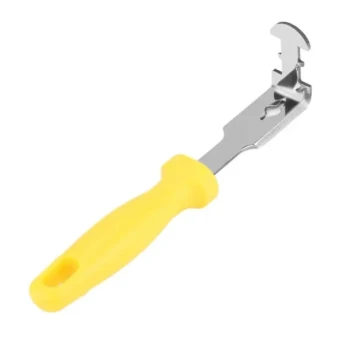
- Stainless Steel J Hook Hive Tool for Beekeeping
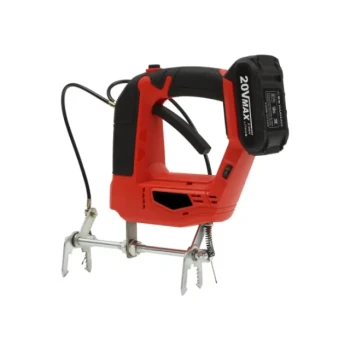
- High Performance Cordless Electric Bee Shaker for Beekeeping
- Heavy-Duty Ergonomic Grip Galvanized Pollen Shovel
People Also Ask
- Why are standardized hive frames and queen excluders essential for maintaining honey purity and quality? Scale Your Purity
- What types of queen excluders are available for beekeepers? Choose the Right Tool for Your Hive
- What are the benefits of using a queen excluder for monitoring and managing the queen bee? Master Hive Control Today!
- What is the purpose of removing queen excluders during the queen bee installation? Maximize Colony Growth Today
- What is a queen excluder in beekeeping? A Guide to Hive Management & Honey Production