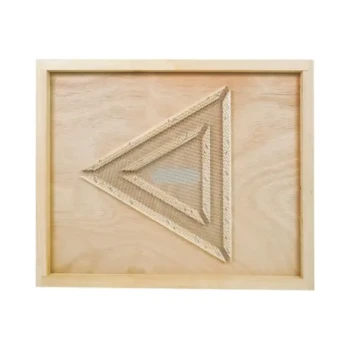
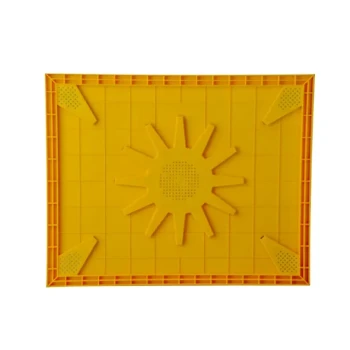
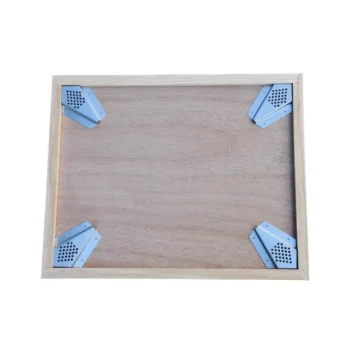
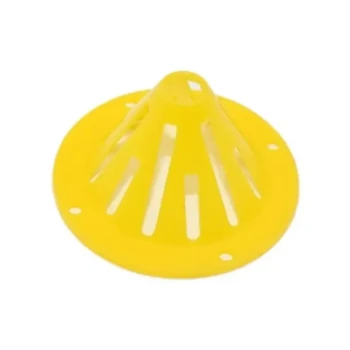
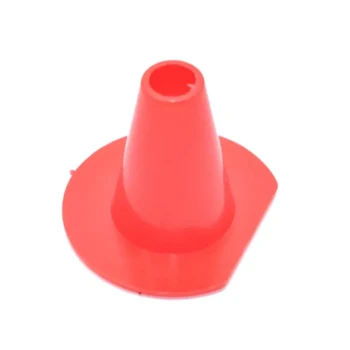
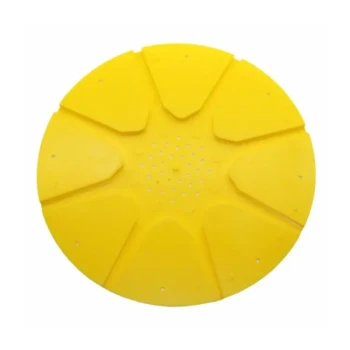
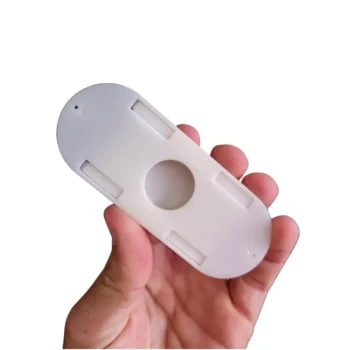
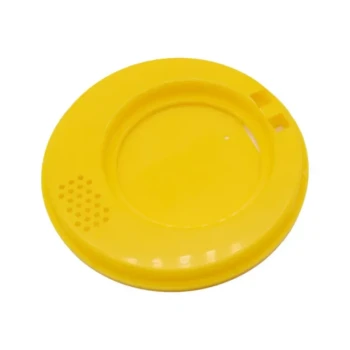
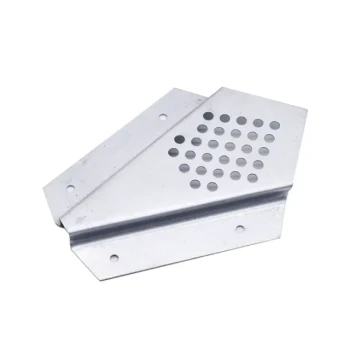
The operational timeframe for a bee escape board is strictly 24 to 36 hours. This passive mechanical device requires at least one full overnight cycle to function effectively, relying on the colony's natural movement to clear approximately 95% of the bees from the honey supers.
By functioning as a one-way valve, the escape board allows bees to exit the harvest area but prevents their return, eliminating the need for chemicals or excessive smoking during harvest.
Understanding the Operational Window
The Role of Natural Cycles
The escape board does not force bees out; it allows them to leave at their own pace.
Most of the movement occurs at night when bees naturally migrate downward toward the brood nest to cluster and maintain heat. Consequently, the device must remain on the hive for at least one night to capture this major population shift.
The 24 to 36-Hour Sweet Spot
While significant clearing happens overnight, the primary recommendation is a window of 24 to 36 hours.
Removing the board too early (under 24 hours) often results in too many straggler bees remaining on the frames. Leaving it on for approximately two nights ensures the maximum number of bees have traversed the maze or screen and become trapped in the lower hive bodies.
Placement and Orientation
For the timeframe to be relevant, the board must be installed correctly.
The board is placed directly under the honey supers you intend to harvest. The specialized screen or triangle side must face down. This orientation creates the "funnel" effect that guides bees down into the brood chamber while presenting a confusing flat surface to those attempting to return upward.
Common Pitfalls and Trade-offs
Managing Expectations (The 95% Rule)
It is crucial to understand that a bee escape board rarely achieves 100% clearance.
Beekeepers should expect to find a small number of bees remaining on the combs after the 36-hour period. While it drastically simplifies harvesting, you may still need to brush off a few stragglers manually.
The Necessity of Lower Space
The operational timeframe becomes irrelevant if the bees have nowhere to go.
Because the board shifts population from the top to the bottom, the lower hive (brood box) must have sufficient room to accommodate the displaced bees. Supplementary advice suggests adding an empty super (ideally with drawn comb) below the escape board to provide the necessary volume for the colony during the clearing process.
Making the Right Choice for Your Goal
To ensure a smooth harvest, match your timing to your specific objectives:
- If your primary focus is maximum clearance: Leave the board on for the full 36 hours (two nights) to ensure the highest percentage of bees have migrated downward.
- If your primary focus is speed: Plan for a minimum of 24 hours (one night), but be prepared to brush off more bees than usual during frame removal.
- If your primary focus is colony health: Ensure an empty box is placed beneath the escape board so the crowded bees do not overheat or become stressed during the holding period.
Plan your harvest so the 24-36 hour window ends on a day with weather appropriate for opening the hive.
Summary Table:
| Operational Phase | Recommended Duration | Key Goal / Outcome |
|---|---|---|
| Minimum Time | 24 Hours (1 Night) | Initial clearance; allows for natural nocturnal migration to brood nest. |
| Optimal Window | 24 - 36 Hours | Maximum (95%) bee removal with minimal stragglers remaining on combs. |
| Maximum Time | 48 Hours | Not recommended; increased risk of bees finding a way back or robbing. |
| Prerequisite | N/A | Must have empty space/box below the board to accommodate displaced bees. |
Streamline Your Honey Production with HONESTBEE
Maximize your harvest efficiency and minimize colony disruption with professional-grade tools from HONESTBEE. As a leading partner for commercial apiaries and distributors, we provide more than just equipment—we provide the industrial edge your business needs.
Our comprehensive wholesale portfolio includes:
- Harvesting Essentials: High-efficiency bee escapes, specialized hardware, and honey-filling machinery.
- Infrastructure: Durable hive-making machines and a full spectrum of hive components.
- Beekeeping Machinery: Advanced processing equipment for large-scale operations.
- Branding & Culture: A wide array of honey-themed merchandise and industry consumables.
Whether you are scaling your commercial output or stocking your distribution warehouse, HONESTBEE delivers the quality and reliability you demand. Contact us today to explore our wholesale offerings and elevate your apiary business!
Related Products
- HONESTBEE Wooden Bee Escape Board with Triangle Mesh Design for Beekeeping
- HONESTBEE Multi Exit Plastic Bee Escape Board for Efficient Honey Harvesting
- HONESTBEE 4-Way Metal Corner Wooden Bee Escape Board
- Slatted Porter Style Bee Escape for Rapid Hive Clearing
- Professional Cone Style Bee Escape for Efficient Honey Harvesting
People Also Ask
- How is a bee escape board used to clear a hive body for honey harvesting? Optimize Your Chemical-Free Harvest
- What is a bee escape board and what problem does it solve? Simplify Your Honey Harvest with Passive Clearing
- How is a bee escape board used and how does it function? Master This Gentle Honey Harvesting Tool
- What are the proper steps for using a bee escape board for honey harvesting? Master the Passive Clearing Technique
- What tools and methods are used to clear honey bees from honey supers? Efficient Harvesting for Commercial Beekeepers