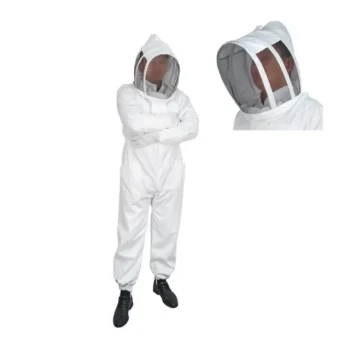
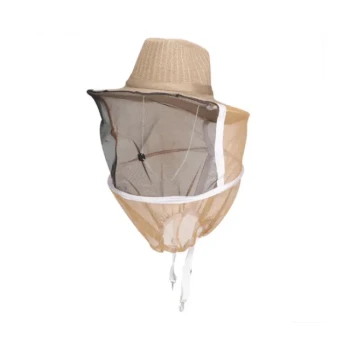
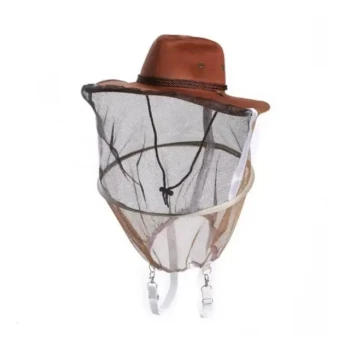
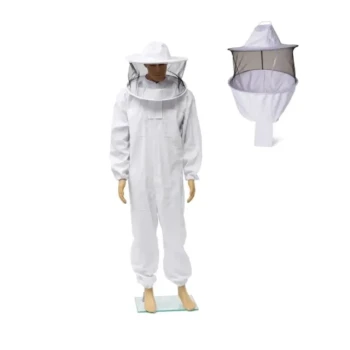
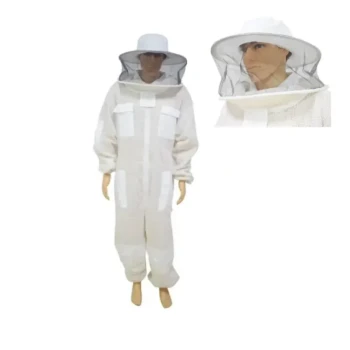
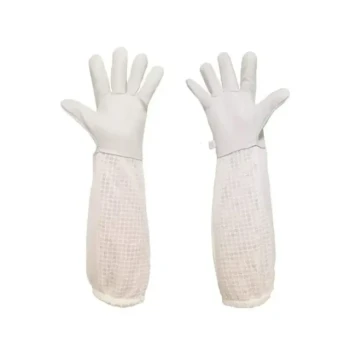
Beekeeping protective clothing serves one fundamental purpose: to create a physical barrier between the beekeeper and potential bee stings. While the configuration may vary, the essential protective system always consists of a veil to shield the face and eyes, a suit or jacket to cover the body, gloves for the hands, and boots for the feet.
The primary goal of this equipment is to enable safe hive management by preventing stings, but the most effective gear achieves this while balancing comfort, mobility, and practical utility.
The Core Components of Protection
The Veil
This is arguably the most critical component. Its function is to protect the head, face, and specifically the eyes, which are the most vulnerable areas during an inspection.
The Body Covering
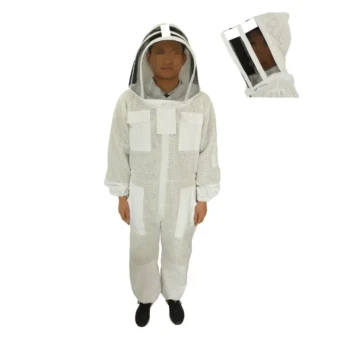
Beekeepers typically choose between a full suit or a jacket. A full suit offers total body protection from head to toe, whereas a jacket protects the upper body and head, leaving the legs exposed.
Hand and Foot Protection
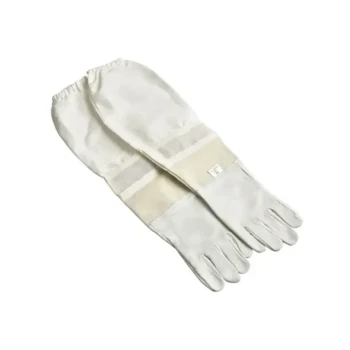
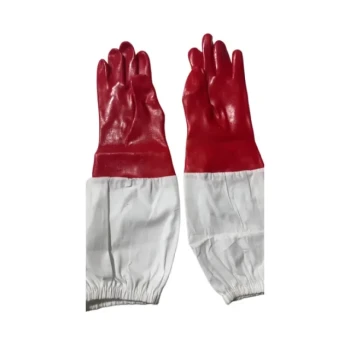
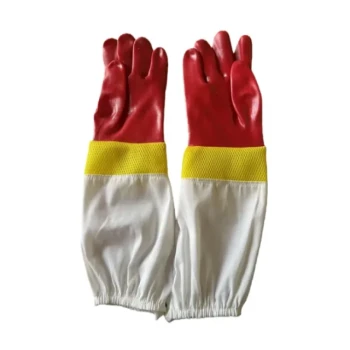
Because hands interact directly with the hive, gloves (often leather or nitrile) are essential to prevent stings. Boots complete the physical barrier, ensuring the feet and ankles remain protected.
Critical Design Features
Secure Seals
The most common failure point in protective gear is a gap where a bee can enter. High-quality gear features tight elastic around the ankles and wrists to ensure a complete seal.
Durability and Construction
Beekeeping is physical work. Look for equipment with double-stitched seams to prevent tears during use. The material should be strong enough to resist stings but capable of being machine washed for hygiene.
Utility
A good suit is a functional workspace. It should feature multiple pockets designed to hold hive tools, keeping your hands free when not actively manipulating frames.
The Importance of Fit and Layers
Loose Fit is Safer
Protective clothing should never fit tightly. A loose fit creates an air gap between the fabric and your skin, making it difficult for a stinger to reach you.
Size Up for Comfort
Tight clothing restricts movement and increases heat retention. It is widely recommended to select a size larger than your standard clothing size to ensure freedom of movement.
Strategic Under-layers
The suit is only the outer layer. Underneath, you should wear thick denim jeans or canvas painter's pants and a long-sleeve shirt.
Protecting the Gaps
Ensure your shirt has a long hem to cover your lower back when bending over. Additionally, tuck your pants into your socks or use boot bands to seal the leg openings against crawling bees.
Understanding the Trade-offs
Full Suits vs. Jackets
A full suit offers maximum security, making it the default choice for beginners who prioritize safety over agility. However, suits can be hot and cumbersome to put on.
The Evolution of Preference
Many beekeepers begin with a full suit but transition to a jacket within the first year or two. Jackets are cooler and easier to wear, but they require the beekeeper to wear heavy-duty pants to compensate for the exposed legs.
Making the Right Choice for Your Goal
Selecting the right gear depends heavily on your experience level and tolerance for risk.
- If your primary focus is maximum safety: Choose a full body suit with double-stitched seams and secure elastic cuffs to eliminate any risk of exposure.
- If your primary focus is mobility and comfort: Opt for a well-ventilated jacket with a veil, paired with thick canvas pants and boots.
- If your primary focus is longevity: Prioritize gear made from strong, machine-washable materials that feature reinforced stitching.
The best protective clothing is the set that gives you the confidence to work your hive calmly and effectively.
Summary Table:
| Component | Primary Function | Key Features to Look For |
|---|---|---|
| Veil | Protects face, eyes, and head | High visibility mesh and secure attachment |
| Full Suit | Total body protection (head to toe) | Double-stitched seams and loose fit |
| Jacket | Upper body protection and mobility | Breathable fabric and multiple tool pockets |
| Gloves | Protects hands during hive interaction | Durable leather or puncture-resistant nitrile |
| Seals | Prevents bees from entering gaps | Tight elastic at wrists and ankles |
Elevate Your Apiary Operations with HONESTBEE
At HONESTBEE, we specialize in empowering commercial apiaries and distributors with premium-grade beekeeping solutions. Whether you are scaling your operation with honey-filling machines and hive-making hardware or seeking high-quality protective suits and essential consumables for wholesale, our comprehensive portfolio is designed for durability and performance.
Partner with HONESTBEE today to secure the best tools for your success.
Related Products
- White Cotton Beekeeping Jacket and Veil for Bee Keepers
- Beekeeping Jacket with Hood and Veil for Beekeepers
- Premium Cotton Beekeeper Suit with Reinforced Fencing Veil
- Beekeeper Cowboy Hat and Veil for Beekeeping
- Beekeeping Gloves Goatskin Leather with Long Cotton Sleeve for Beekeepers
People Also Ask
- What are the features of an economical beekeeping jacket? Essential Protection for Budget-Conscious Beekeepers
- What are the pros of using a beekeeping jacket? Unlock Superior Comfort and Mobility for Your Apiary
- What factors should a new beekeeper consider when choosing between a jacket and a full suit? Security vs. Comfort
- What are the advantages of a beekeeping jacket? Superior Mobility & Comfort for Routine Hive Inspections
- When is a beekeeping jacket considered a more suitable choice than a full suit? Optimize Your Apiary Mobility