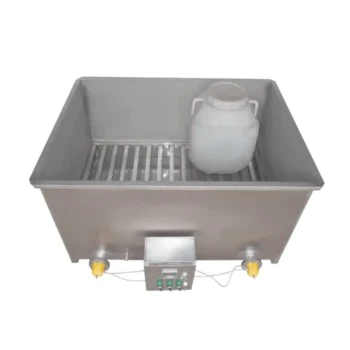
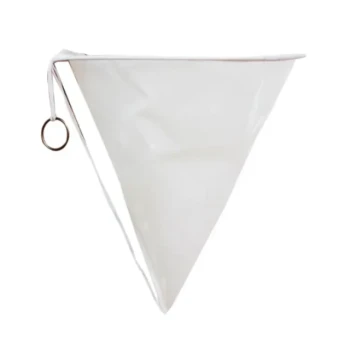
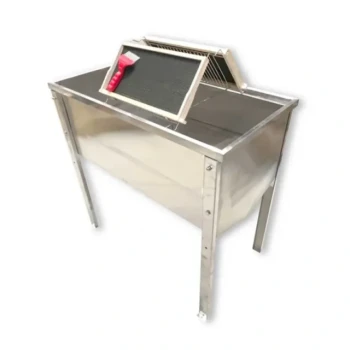
High-precision stainless steel mesh filters serve as the primary mechanical defense in the initial stages of honey processing. Their core function is to act as a physical barrier that intercepts impurities—such as beeswax fragments, bee parts, and large organic particles—immediately after the honey leaves the centrifuge or press. By utilizing food-grade stainless steel, these filters ensure that the honey achieves the visual clarity required for commercial markets without introducing metallic odors or chemical contaminants.
High-precision filtration is the critical link between raw extraction and market-ready purity, removing organic debris to meet food safety standards while preserving the honey's natural sensory profile. This process ensures both regulatory compliance and the visual appeal necessary for high-value distribution.
Ensuring Product Purity and Regulatory Compliance
Removing Organic and Mechanical Debris
The filtration process targets the removal of residual beeswax flakes, bee remains, and larval skins that are inevitable by-products of the extraction process. By screening out these particles, the filter prevents the honey from appearing cloudy or unappetizing to the end consumer.
Meeting International Hygiene Standards
High-precision systems are designed to comply with strict regulations, such as EU Council Directive 2001/110/EC, which prohibits foreign matter in honey. These filters allow processors to remove mechanical impurities while specifically retaining the natural pollen content that defines the honey's origin and grade.
Enhancing Shelf Stability
By removing organic debris and suspended solids, filtration significantly reduces the risk of premature spoilage. Organic fragments can act as catalysts for fermentation or crystal growth, so effective removal directly extends the storage life of the finished product.
The Role of Material Integrity in Quality Control
Corrosion Resistance in Acidic Environments
Honey is naturally acidic and high in sugar, which can be highly corrosive to inferior metals. Stainless steel mesh is chosen for its chemical stability, ensuring the equipment does not degrade or leach heavy metals into the honey during the filtration cycle.
Preventing Metallic Odors and Taints
One of the most critical aspects of B2B honey trading is maintaining the delicate sensory profile of the product. The non-reactive nature of stainless steel ensures that no metallic odors are released, preserving the honey’s natural aroma and flavor for premium resellers.
Durability and Reusability
Unlike disposable filter media, high-precision stainless steel meshes are wear-resistant and built for long-term industrial use. This durability provides distributors and processors with a more cost-effective solution that maintains consistent pore sizing over thousands of gallons.
Understanding the Trade-offs
Balancing Filtration Speed and Precision
There is an inherent trade-off between the fineness of the mesh and the flow rate of the honey. While ultra-fine mesh provides superior clarity, it requires higher pressure or slower processing speeds, which can impact total throughput in high-volume operations.
Maintenance and Cleaning Requirements
To maintain food safety, stainless steel filters require rigorous cleaning protocols to prevent the buildup of honey sugars and wax (blinding). Failure to implement a proper cleaning schedule can lead to decreased efficiency and potential cross-contamination between different honey batches.
Making the Right Choice for Your Goal
As a distributor or reseller, selecting the correct filtration specification depends entirely on your client's final market application and volume requirements.
- If your primary focus is premium retail distribution: Prioritize high-precision, multi-stage stainless steel filters that maximize visual clarity and ensure zero metallic contamination.
- If your primary focus is high-volume industrial supply: Optimize for larger pore sizes and durable mesh structures that allow for rapid flow rates while still meeting basic food hygiene standards.
By integrating these high-precision filtration solutions, you ensure a product that is safe, shelf-stable, and visually optimized for the global marketplace.
Summary Table:
| Key Feature | Primary Function | Business Impact for Distributors |
|---|---|---|
| Mechanical Barrier | Removes beeswax, bee parts, and organic debris | Ensures visual clarity and premium market positioning |
| Food-Grade Material | Prevents metallic odors and chemical leaching | Maintains organic certification and sensory profile |
| Corrosion Resistance | Withstands acidic honey environments | Lowers equipment replacement costs and maintenance |
| Precision Sizing | Retains natural pollen while removing impurities | Meets international hygiene standards (e.g., EU Directives) |
| Durability | Resists wear during high-pressure processing | Provides reliable, long-term industrial performance |
Scale Your Beekeeping Supply Business with HONESTBEE
Are you looking to enhance your product portfolio with industry-leading filtration and processing equipment? HONESTBEE specializes in supporting commercial apiaries, wholesalers, and B2B resellers with a comprehensive one-stop sourcing solution. From high-precision honey-filling machines to durable stainless steel filtration systems, we provide the tools your customers need to ensure maximum purity and profit margins.
Why Partner with Us?
- Comprehensive Portfolio: Full-spectrum beekeeping tools, machinery, and consumables.
- Deep Industry Expertise: Professional guidance on OEM/ODM and certification compliance.
- Efficient Fulfillment: Ultra-fast delivery and rapid response times to keep your supply chain moving.
- Premium Trading Services: Exceptional customer support tailored to high-volume distributors.
Ready to optimize your inventory with world-class beekeeping hardware? Contact our expert team today to request a wholesale catalog and custom quote!
References
- Simão Ternoski, Miguel Ângelo Perondi. Viabilidade financeira de pequenas unidades rurais inspecionadas de mel face as exigências de exportação: um estudo em Prudentópolis/PR. - The financial viability of honey units inspected in small farms from Prudentópolis/PR.. DOI: 10.5902/231817966559
This article is also based on technical information from HonestBee Knowledge Base .
Related Products
- Professional Stainless Steel Honey Filter with Support Handle
- Professional Stainless Steel Honey Filtering Machine with Water Bath Heating for Beekeeping
- Stainless Steel Triangle Support Honey Strainer and Filters
- Stainless Steel Double Layer Honey Strainer Sieve Filters
- Electric Double Wall Honey Filtering Machine Purifier Equipment for Honey Processing Plant
People Also Ask
- Why are stainless steel filters essential during the initial purification phase of honey processing? Ensure Purity
- What are the benefits of using a high-quality honey filter? Elevate Purity and Preserve Natural Flavor
- What is the primary purpose of honey filters? Achieve Professional Clarity & Pure Honey Quality
- What micron filter should I use for honey? Choose the Right Filter for Sales or Competitions
- Why do people filter honey? For Clarity, Stability, and Consumer Appeal