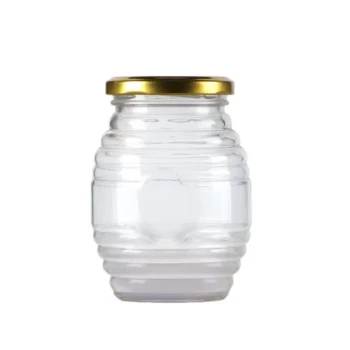
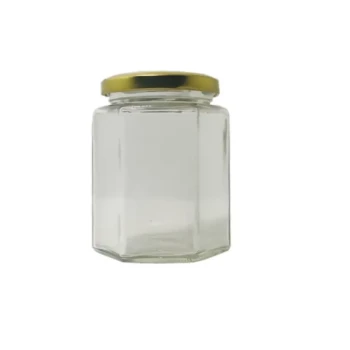
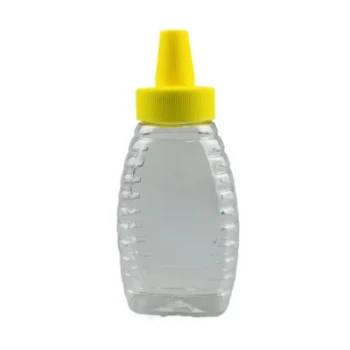
The primary function of sealed plastic storage containers is to act as a controlled physical barrier against environmental interference. By isolating honey samples, these containers effectively prevent fermentation and stabilize the honey's physicochemical properties. This isolation ensures the reliability of raw data for specific laboratory applications, such as pollen morphological analysis, for storage periods of up to six months.
Core Takeaway Honey is a chemically complex, hygroscopic substance that actively interacts with its environment. Sealed plastic containers provide the essential isolation required to maintain the sample's original state, preventing moisture absorption and spoilage that would otherwise compromise scientific analysis.
The Mechanics of Preservation
Creating a Controlled Physical Barrier
The fundamental role of a sealed plastic container is to isolate the sample from the external environment. In a laboratory setting, this barrier blocks the ingress of dust, impurities, and airborne contaminants.
When combined with proper light shielding and room temperature control, this physical isolation creates a stable environment necessary for maintaining the integrity of the sample over time.
Managing Hygroscopicity
Honey is highly hygroscopic, meaning it naturally attracts and absorbs moisture from the surrounding atmosphere.
If left exposed, honey will pull water from the air, altering its concentration. Sealed containers provide an airtight lock that prevents this moisture exchange, maintaining the honey's original moisture content.
Preventing Fermentation and Spoilage
Moisture control is directly linked to biological stability. If honey absorbs enough moisture to exceed a 20% water content threshold, it becomes susceptible to osmophilic yeasts.
These yeasts trigger fermentation, which spoils the sample. By blocking moisture ingress, the container preserves the high osmotic pressure of the honey, leveraging its natural preservative qualities to stop microbial proliferation.
Safeguarding Analytical Integrity
Ensuring Physicochemical Stability
For laboratory analysis, the chemical profile of the honey must remain unchanged from the moment of collection.
Sealed preservation maintains the stability of sensitive biochemical markers, including amino acids, enzymes, and volatile flavor compounds. This ensures that subsequent physical and chemical characterizations reflect the true nature of the original sample.
Reliability for Pollen Morphological Analysis
The primary reference highlights that these containers are specifically validated for protecting samples intended for pollen morphological analysis.
By preventing alterations in the honey's matrix, the containers ensure that the pollen grains suspended within the honey remain intact and unaltered, guaranteeing accurate raw data extraction.
Understanding the Trade-offs
The Importance of Material Quality
Not all plastics are suitable for chemical preservation. It is critical to use food-grade plastic to prevent the migration of harmful substances from the packaging into the honey.
Lower-quality plastics may leach chemicals into the weak acidic environment of the honey, compromising the purity of the sample and skewing trace element detection.
Storage Duration Limits
While effective, sealed plastic containers are not a permanent solution. The primary data indicates these containers are reliable for preserving physicochemical properties for up to six months.
For storage requirements extending beyond this window, or for analyses requiring extreme chemical inertness, the limitations of plastic permeability and potential reactivity must be considered.
Making the Right Choice for Your Goal
To maximize the reliability of your honey analysis, apply these containment principles based on your specific objectives:
- If your primary focus is Pollen Morphological Analysis: Rely on sealed plastic containers combined with light shielding to maintain sample integrity for up to six months.
- If your primary focus is Trace Mineral or Purity Analysis: Ensure the containers are strictly verified as food-grade or high-purity plastic to avoid chemical migration that could skew results.
- If your primary focus is Prevention of Fermentation: Verify the seal integrity immediately upon closure, as maintaining moisture content below 20% is the single most critical factor in preventing spoilage.
Effective preservation is not just about storage; it is about freezing the sample's chemical state in time to ensure your data represents reality.
Summary Table:
| Preservation Factor | Primary Function of Sealed Container | Impact on Sample Integrity |
|---|---|---|
| Hygroscopicity | Blocks moisture absorption from the air | Maintains original concentration and prevents dilution |
| Microbial Growth | Keeps water content below 20% | Prevents osmophilic yeast fermentation and spoilage |
| Contaminants | Acts as a physical barrier against dust/impurities | Ensures purity for pollen and chemical analysis |
| Biochemicals | Stabilizes enzymes and volatile compounds | Preserves flavor profile and scientific raw data |
| Storage Duration | Provides stable environment for up to 6 months | Ensures reliable results for medium-term research |
Maximize Your Honey Quality with HONESTBEE
At HONESTBEE, we understand that proper preservation is the key to profitability for commercial apiaries and distributors. Whether you need specialized honey-filling machines to ensure perfect seals or high-quality beekeeping tools and equipment, we provide the comprehensive wholesale solutions your business demands.
From industrial-grade machinery to essential consumables and honey-themed cultural merchandise, we empower our partners to maintain the highest standards of product integrity. Contact us today to discover how our end-to-end supply chain can optimize your production and preserve your harvest's value!
References
- Ana Lívia Sousa Campos, Juliana do Nascimento Bendini. Pollen analysis in honey samples (Apis mellifera L.) from the main honey-producing microregion in Brazil. DOI: 10.1590/1809-6891v26e-81065e
This article is also based on technical information from HonestBee Knowledge Base .
Related Products
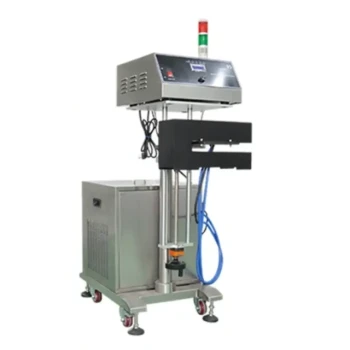
- Professional Water Cooled Induction Sealing Machine for Bottles and Containers
- Professional Insulated Plastic Bee Hives
- Food Grade Plastic Honey Bucket Pail for Beekeeping
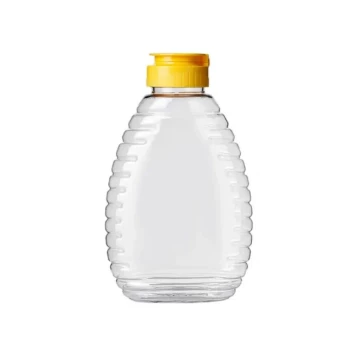
- Squeezable No-Drip Beehive-Shaped Honey Jars with Flip-Top Cap
- Plastic Transporting Bee Packages and Nuc Boxes for Beekeeping
People Also Ask
- How does tamper-evident sealing equipment benefit the honey trade? Ensure Product Integrity and Market Trust
- What is the function of an induction sealing machine in packaging? Secure Your Brand with Tamper-Evident Seals
- How does an induction sealing machine work? Enhance Honey Packaging with Hermetic Seals & Tamper Evidence
- What is an induction sealing machine and how does it work? Achieve Airtight, Tamper-Evident Seals
- How does the induction sealing process work? Create Tamper-Evident, Airtight Seals for Your Products