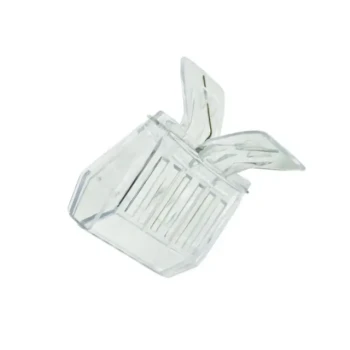
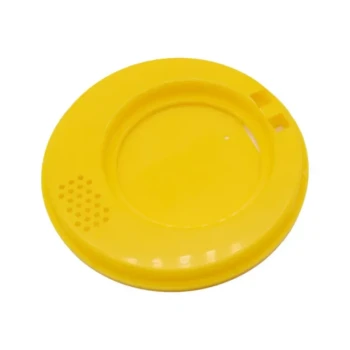
The primary function of specialized bee traps in field monitoring is the quantitative collection of dead honeybees to measure colony mortality rates accurately. These devices act as physical barriers that prevent scavengers, such as birds, from removing dead bees, ensuring that researchers possess a complete dataset to evaluate the physiological impact of environmental stressors.
Specialized bee traps allow for the retrieval of objective mortality data, serving as the fundamental feedback mechanism for assessing risks related to pesticide exposure and pathogen infestation.
The Mechanics of Mortality Data Collection
Preventing Data Loss via Scavenging
The greatest challenge in field monitoring is the rapid disappearance of biological evidence. Birds and other scavengers often consume dead bees before they can be counted.
Specialized traps prevent this loss by intercepting bees at the hive exit. This ensures that the mortality counts reflect the actual health of the colony rather than the feeding habits of local wildlife.
Establishing Objective Baselines
By securing the carcasses, these traps allow for the calculation of precise mortality baselines.
This data is essential for distinguishing between natural attrition and abnormal death rates caused by external factors. It converts anecdotal observation into hard, quantitative statistics.
Analytical Applications
Evaluating Pesticide Impact
Data collected from these traps is critical for assessing both acute and chronic risks associated with chemical exposure.
The collected bees serve as samples for pesticide residue testing. This allows researchers to correlate specific chemical applications with spikes in colony mortality.
Pathological Monitoring
Beyond chemicals, these traps are vital for tracking biological threats.
Bees collected in these traps—such as the DZDB trap which utilizes specific mesh sizes—provide necessary samples for pathological analysis. This helps identify disease outbreaks or pathogen infestations early in the monitoring process.
Understanding the Trade-offs and Variations
Maintenance Requirements
While these tools provide high-quality data, they require rigorous maintenance protocols.
Daily cleaning and counting are often required to maintain data integrity. Neglecting the schedule can lead to sample degradation, rendering the biological data useless for sensitive lab tests.
Distinguishing Trap Functions
It is critical not to confuse mortality traps with other field sampling devices.
While "dead bee traps" monitor health via mortality, William's traps are designed to capture live drones using pheromones. Ensure your equipment choice aligns with your specific need for either mortality statistics or genetic sampling.
Making the Right Choice for Your Goal
To select the correct equipment for your specific monitoring objectives, consider the following:
- If your primary focus is toxicity and disease monitoring: Prioritize dead bee traps (like DZDB models) that secure carcasses for residue testing and pathological review.
- If your primary focus is genetic diversity: Utilize high-position William's traps combined with synthetic pheromones to sample drone populations in congregation areas.
Effective field monitoring relies on securing the physical evidence of colony health before environmental factors remove it.
Summary Table:
| Feature | Specialized Dead Bee Traps | Williams Traps |
|---|---|---|
| Primary Function | Quantitative collection of dead bees | Capture of live drones |
| Core Objective | Mortality rate & toxicity monitoring | Genetic diversity & population sampling |
| Key Mechanism | Prevents scavenging by birds/wildlife | Pheromone-based attraction |
| Data Application | Pesticide residue & pathology tests | Breeding & congregation area research |
| Maintenance | High (Daily cleaning & counting) | Periodic (Based on sampling cycles) |
Scale Your Apiary Operations with HONESTBEE Professional Equipment
Are you a commercial apiary or a distributor looking for precision-engineered solutions? HONESTBEE provides a comprehensive wholesale range designed to professionalize your honey production and hive management.
Our portfolio offers everything you need to maintain colony health and operational efficiency:
- Advanced Machinery: Hive-making equipment and automated honey-filling machines.
- Beekeeping Hardware: A full spectrum of specialized tools and durable hive components.
- Industry Consumables: Essential supplies for large-scale bee health monitoring and maintenance.
- Cultural Merchandise: Premium honey-themed retail products.
Contact us today to discover how HONESTBEE can streamline your supply chain and enhance your apiary’s productivity with our professional-grade wholesale offerings.
References
- European Food Safety Authority. Towards an integrated environmental risk assessment of multiple stressors on bees: review of research projects in Europe, knowledge gaps and recommendations. DOI: 10.2903/j.efsa.2014.3594
This article is also based on technical information from HonestBee Knowledge Base .
Related Products
- HONESTBEE Professional Telescopic Pole Bee Swarm Catcher
- 30 cm Plastic Entrance Hole Bee Pollen Trap and Collector
- Removable Plastic Pollen Trap With Ventilated Tray for Bees Pollen Collector
- Black Plastic Beetle Barn Hive Beetle Trap for Beehives
- HONESTBEE Collapsible Tiered Bee Swarm Catcher for Beekeeping
People Also Ask
- What should be done if the swarm is situated on the bottom of a tree limb? A Guide to Methodical Bee Capture
- What role do swarm catchers play in maintaining the production scale of an apiary? Turn Colony Loss into Growth.
- What information should be gathered before attempting to catch a swarm of bees? A Safe and Successful Guide
- What precautions can be taken to prevent a newly captured swarm from absconding? Secure Your Swarm with Proven Methods
- What role does a Swarm Catcher play in the process of expanding apiary colony scale? Optimize Growth & Reduce Costs