The primary function of a screen excluder in a queen rearing hive is to act as a selective biological barrier. Its specific goal is to physically separate the reigning queen from developing queen cells, preventing her from destroying the larvae while allowing worker bees to pass through freely. This ensures the developing queens are protected from attack but still receive the critical feeding and care required from the nurse bees.
In the context of queen rearing, the screen excluder serves as a protective shield. It isolates the developing royal larvae from the colony's original queen—who would naturally seek to kill potential rivals—while preserving the flow of resources and nurse bees necessary for their survival.
The Mechanics of Protection
Selective Permeability
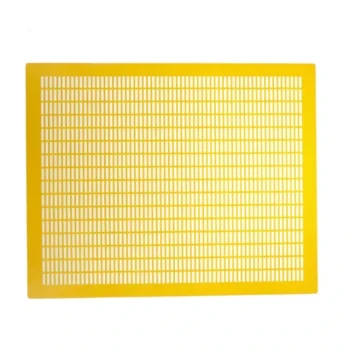
The screen excluder utilizes a precise grid size. This grid is calibrated to be large enough for the smaller worker bees to traverse without injury.
However, the grid is too narrow for the larger thorax of the queen bee to pass. This simple physical constraint creates two distinct zones within a single hive body.
Prevention of Regicide
A laying queen views developing queen cells as a direct threat to her dominance. Without a barrier, her instinct is to tear down these cells and kill the occupants.
The screen excluder neutralizes this threat by physically confining the queen to a non-rearing section of the hive. This allows the beekeeper to raise new queens within an active, populated colony without the risk of sabotage.
Ensuring Larval Development
Uninterrupted Nursing
While isolation is key for safety, total separation would be fatal to the larvae. Developing queens require constant feeding of royal jelly by nurse bees.
The screen excluder facilitates this by allowing nurse bees to move freely between the queen's chamber and the rearing frames. This ensures the larvae are heavily fed and tended to, just as they would be in a natural setting.
Maintaining Hive Cohesion
The screen allows for the transfer of colony scent and pheromones, as well as food resources. This keeps the colony functioning as a single, cohesive unit despite the physical partition.
It maintains order within the rearing environment, preventing the chaos that might ensue if the colony felt it was hopelessly divided or queenless in the wrong sections.
Understanding the Trade-offs
Potential for Congestion
While worker bees can pass through the screen, the grid acts as a bottleneck. During high-traffic periods, this can slow down the movement of nectar and pollen within the hive.
Physical Stress on Bees
Forcing bees to squeeze through a metal or plastic grid can occasionally cause wear on their wings or bodies. This is generally minor but is a factor to consider regarding the longevity of the worker force.
Drone Entrapment
Drones (male bees) are larger than workers and often cannot pass through the excluder. If drones are trapped in a section without an exit, they may die and create debris that requires cleaning by the workers.
Making the Right Choice for Your Goal
When configuring your hive equipment, your objective determines the placement and purpose of the excluder.
- If your primary focus is Queen Rearing: Place the excluder to isolate the queen from the graft frame, ensuring she cannot access and destroy the new cells.
- If your primary focus is Honey Production: Place the excluder between the brood box and honey supers to prevent egg-laying in the harvestable honey frames.
By correctly utilizing a screen excluder, you convert the hive into a safe nursery where a new generation of queens can thrive under the care of the colony.
Summary Table:
| Feature | Function in Queen Rearing |
|---|---|
| Selective Grid | Permits worker bees to pass while blocking the larger queen. |
| Larval Protection | Prevents the reigning queen from destroying new queen cells. |
| Nursing Access | Allows nurse bees to provide royal jelly to developing larvae. |
| Colony Cohesion | Enables pheromone and scent sharing to keep the hive stable. |
| Resource Flow | Maintains the movement of nectar and pollen across hive zones. |
Elevate Your Queen Rearing Success with HONESTBEE
To raise high-quality queens, you need precision tools that balance protection with hive productivity. HONESTBEE specializes in supporting commercial apiaries and distributors with a comprehensive range of professional beekeeping equipment. From high-durability screen excluders to advanced hive-making and honey-filling machinery, our wholesale portfolio is designed to optimize your operations.
Why partner with HONESTBEE?
- Comprehensive Supply: Access everything from specialized hardware to essential industry consumables.
- Commercial Scale: We cater specifically to the high-volume needs of large-scale beekeepers and global distributors.
- Expert Solutions: Enhance your apiary efficiency with our honey-themed cultural merchandise and specialized machinery.
Ready to scale your queen rearing and honey production? Contact us today to explore our wholesale offerings!
References
- Francisco de Assis Balbino Uchôa, José da Silva Sousa. EFFECT OF WEIGHT OF AFRICANIZED QUEENS (Apis mellifera L.) AT BIRTH IN HONEY PRODUCTION IN SEMI-ARID PIAUIENSE. DOI: 10.30969/acsa.v8i2.172
This article is also based on technical information from HonestBee Knowledge Base .
Related Products
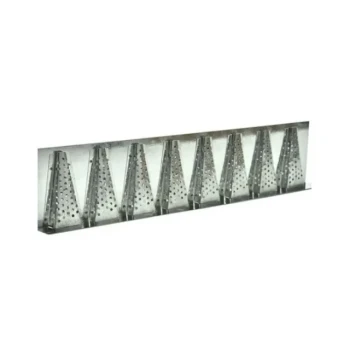
- 8-Cone Galvanized Steel Bee Robber Guard
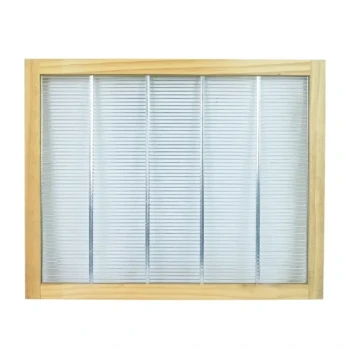
- Premium Wood Framed Metal Wire Queen Bee Excluder
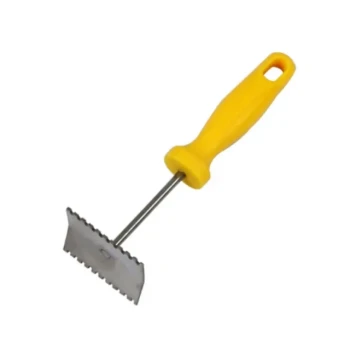
- Stainless Steel Scraper for Metal Queen Bee Excluders
- Professional Dual Action Queen Excluder Scraper for Beekeeping
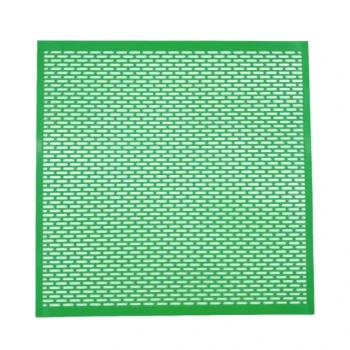
- High Performance Plastic Queen Excluder for Beekeeping and Apiary Management
People Also Ask
- What protective functions do beehive entrance guards provide? Defend Your Hive Against Wasps and Moths
- What is the primary function of protective guards at hive entrances? Block Rodents & Boost Winter Survival Rates
- How do conical metal guards or rubber inner tubes function as pest control tools? Stop Ants with Mechanical Barriers
- What is the function of Hive Entrance Guards? Master Bee Colony Defense Against Small Hive Beetles
- How can hardware mesh be applied to a beehive entrance for winter protection? Secure Your Colony Against Pests