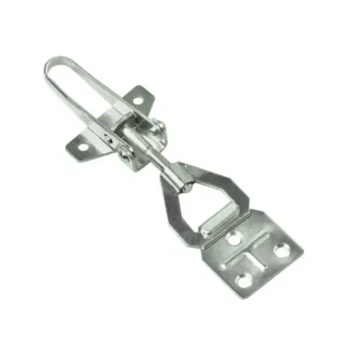
The primary role of industrial live transport equipment is to facilitate the safe transfer of bee populations between farms during the remote migration phase of agriculture. This specialized machinery is engineered to mitigate transportation-induced stress through controlled ventilation and shock-absorbing structures. By preventing overcrowding and environmental shocks, the equipment significantly reduces bee mortality rates to ensure efficient pollination operations.
The core function of this technology is not just logistics, but biological preservation; it stabilizes population sizes by shielding bees from the physical and environmental rigors of transit.
The Engineering Behind Safe Migration
Controlled Ventilation Systems
Bees generate significant heat and carbon dioxide when confined in transit. Industrial transport equipment utilizes controlled ventilation systems to actively manage airflow and temperature. This prevents the dangerous overheating that can rapidly decimate colonies during transport.
Shock Absorption and Stability
Physical vibration and impact are major stressors for hive populations. Shock-absorbing structures are integrated into the equipment design to dampen the physical forces of the road. This protects the physical integrity of the hive and keeps the colony cluster stable.
The Biological Impact on Pollinators
Mitigating Physiological Stress
Transport is inherently disruptive to biological organisms. By regulating the internal environment, this equipment minimizes transportation-induced stress. A less stressed population is more viable and active immediately upon arrival.
Reducing Mortality Rates
High mortality is a significant risk during the remote migration phase. By preventing overcrowding and buffering against environmental shocks, this equipment directly lowers death rates. This ensures that the population size remains stable enough for effective pollination.
Understanding the Trade-offs
Specialization vs. Versatility
This equipment is highly specialized for the unique requirements of live cargo. Consequently, it often lacks the versatility to be used for general agricultural logistics. Operators must balance the capital investment in single-purpose machinery against the critical need for colony survival.
Making the Right Choice for Your Logistics
To maintain viable pollination operations, your equipment choice must match your logistical demands.
- If your primary focus is reducing physical trauma: Prioritize equipment with advanced shock-absorbing structures to dampen road vibration.
- If your primary focus is population stability during long hauls: Ensure your transport solution features robust controlled ventilation to prevent overheating and overcrowding.
Effective transport infrastructure is the only way to transform a fragile biological asset into a reliable agricultural tool.
Summary Table:
| Feature | Primary Function | Biological Benefit |
|---|---|---|
| Controlled Ventilation | Manages airflow and temperature | Prevents overheating and CO2 buildup |
| Shock Absorption | Dampens road vibrations and impacts | Protects hive integrity and reduces stress |
| Anti-overcrowding Design | Stabilizes internal environment | Lowers mortality rates during migration |
| Specialized Structure | Shields against environmental shocks | Ensures high population viability on arrival |
Maximize Your Pollination Success with HONESTBEE
Protecting your biological assets is crucial for commercial success. At HONESTBEE, we understand the unique challenges faced by commercial apiaries and distributors during remote migration.
We provide a comprehensive wholesale offering of professional beekeeping tools, machinery, and essential consumables. From advanced hive-making technology to reliable transport equipment and specialized hardware, our portfolio is designed to enhance your operational efficiency and colony survival.
Ready to upgrade your fleet and reduce colony loss?
Contact HONESTBEE today to discover how our specialized equipment and industry expertise can support your growth.
References
- Jessica B. Robbins. Bees in the Balance. DOI: 10.5070/bs3161013969
This article is also based on technical information from HonestBee Knowledge Base .
Related Products
- Plastic Transporting Bee Packages and Nuc Boxes for Beekeeping
- Professional Queen Bee Introduction and Transport Cage
- Professional Queen Cage with Sliding Gate and Feeder Plug
- JZBZ Style Professional Battery Box with 20 Shipping Cages
- High-Efficiency Pneumatic Bee Hive Making Machine for Rapid Box Assembly
People Also Ask
- What role do bee package boxes play in the commercial transport and expansion of honeybee colonies? - Logistic Essentials
- What are beekeeping boxes called? A Guide to Hive Bodies and Box Types
- How do standardized bee packages serve as a recovery mechanism for commercial beekeeping? Ensure Business Continuity
- What is the commercial value of using standardized bee packages? Drive Scalability in Large-Scale Apiaries
- Why is the timely introduction of high-quality bee packages critical? Save Your Apiary from Asian Hornet Invasions