The rinsing process is the essential first step in beeswax processing, specifically designed to separate sticky honey residue from the wax cappings. To perform this correctly, submerge the material in a large container of cold water, stir thoroughly to dislodge the honey, and pour the mixture through a fine mesh sieve. This cycle must be repeated—typically between two to five times—until the water runs clear.
Core Takeaway To ensure high-quality beeswax, you must thoroughly remove honey residue before any melting occurs. Success relies on the mechanical separation provided by stirring in cold water and repeating the process until visual inspection confirms the water is clear.
The Rinsing Protocol
Initial Preparation
Begin by placing your wax cappings into a large container.
Add enough cold water to submerge the wax completely.
Agitation
Stir the mixture vigorously.
The goal of this step is to physically loosen the sticky honey residue that is naturally adhered to the wax cappings.
Mechanical Separation
Once agitated, pour the entire mixture through a fine mesh sieve.
This critical step allows the honey-tainted water to drain away while retaining the solid wax particles.
Iteration and Quality Control
The Multi-Rinse Requirement
A single wash is rarely sufficient to remove all honey.
You must repeat the agitation and separation steps using fresh cold water for every cycle.
Visual Verification
Expect to perform this process two to five times.
Do not rely on a set number of rinses; instead, rely on visual confirmation. Continue rinsing until the discharge water appears clear.
Common Pitfalls to Avoid
Ignoring Water Temperature
The procedure explicitly calls for cold water.
Using warm or hot water at this stage is a mistake, as it may soften the wax and make it difficult to separate from the honey or cause it to clog the sieve.
Premature Completion
Stopping the process while the water is still cloudy leaves sugar residue on the wax.
Residual honey can burn during the subsequent melting phase, degrading the quality and color of your final beeswax block.
Making the Right Choice for Your Goal
To apply this procedure effectively, tailor your approach to the condition of your cappings:
- If your primary focus is maximum purity: Commit to the full five repetitions, or more, until the water is perfectly crystal clear.
- If your primary focus is efficiency: Use a larger volume of water per rinse to potentially reduce the number of cycles required to reach clarity.
Thorough rinsing is the single most important factor in preventing contamination in your final wax product.
Summary Table:
| Step | Action | Key Objective |
|---|---|---|
| 1. Preparation | Submerge cappings in cold water | Loosen honey residue without melting wax |
| 2. Agitation | Stir mixture vigorously | Physically separate sticky honey from wax |
| 3. Separation | Pour through a fine mesh sieve | Drain honey-tainted water while retaining wax |
| 4. Repetition | Repeat 2–5 times with fresh water | Continue until discharge water is crystal clear |
| 5. Verification | Visual inspection | Ensure no sugar remains to prevent burning during melting |
Scale Your Commercial Production with HONESTBEE
Achieving premium beeswax quality requires the right tools and industrial-grade efficiency. HONESTBEE caters specifically to commercial apiaries and distributors with a comprehensive wholesale selection of professional beekeeping machinery and equipment.
Whether you need specialized hive-making machines, high-precision honey-filling lines, or a reliable supply of industry consumables, we provide the hardware and expertise to streamline your operations.
Ready to elevate your production standards? Contact HONESTBEE today to explore our full equipment portfolio and discover how our wholesale solutions can drive your business forward.
Related Products
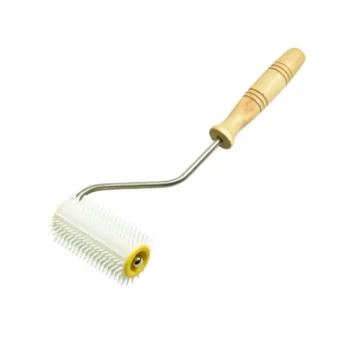
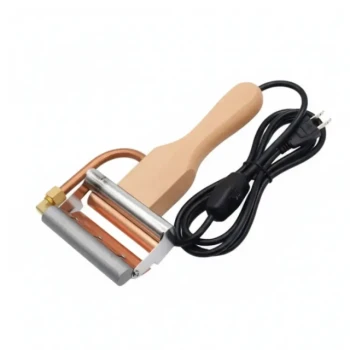
- Professional Honey Uncapping Roller for Efficient Harvesting
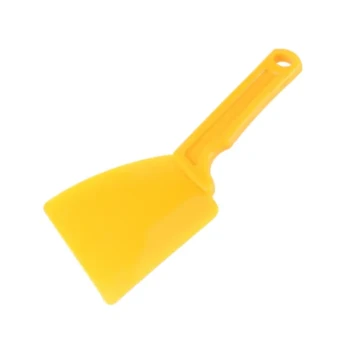
- Professional Honey Scraper for Efficient Apiary Maintenance
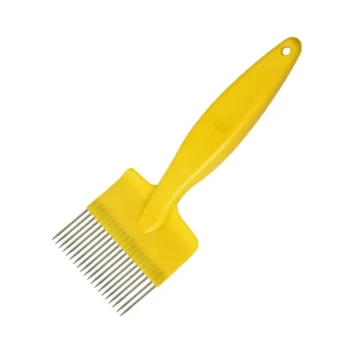
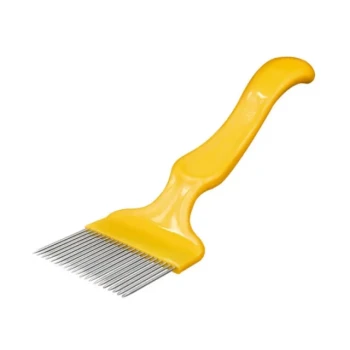
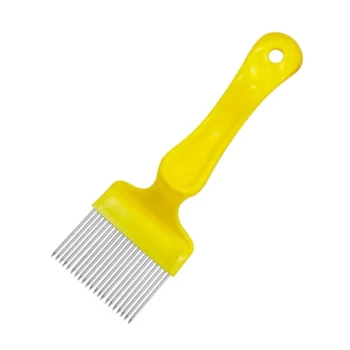
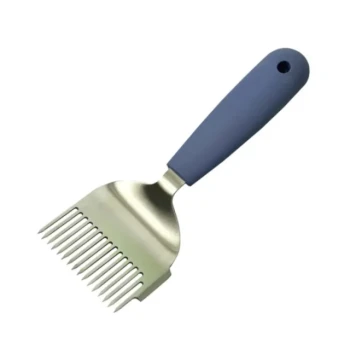
- Professional Durable Plastic Handle Honey Uncapping Fork
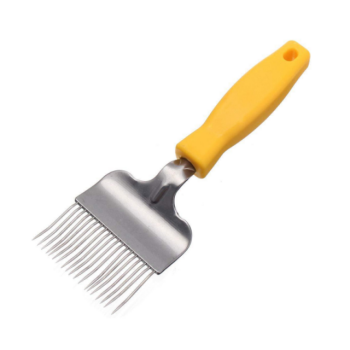
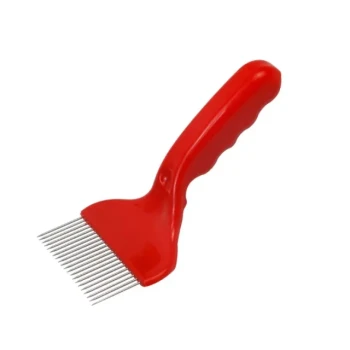
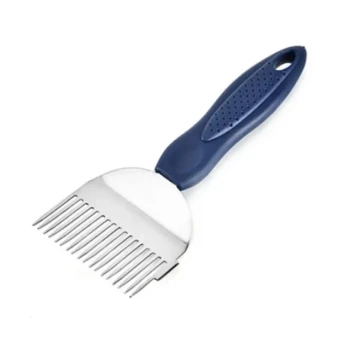
- Professional Bent Tine Honey Uncapping Fork with Ergonomic Grip
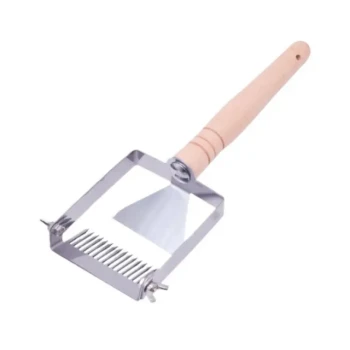
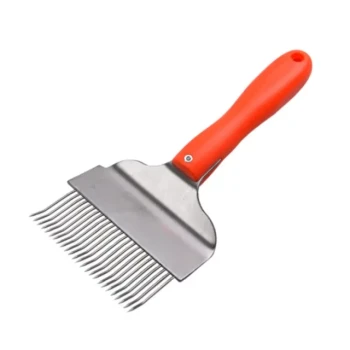
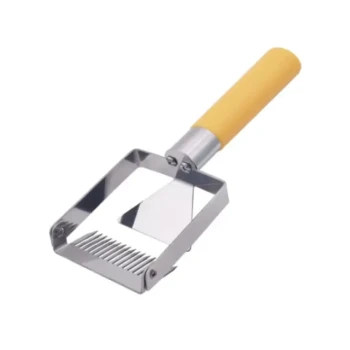
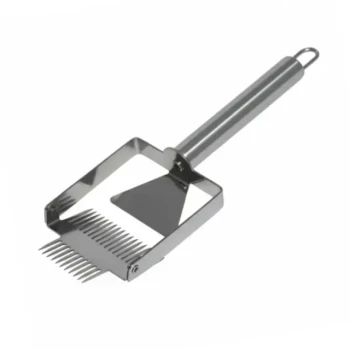
- Adjustable Stainless Steel Honey Uncapping Fork with Scraper for Beekeeping
People Also Ask
- What other tools are available for honey uncapping besides knives? Find the Right Tool for Your Apiary's Scale
- What are the methods of uncapping honey? A Guide to Tools for Efficient Harvests
- What tools are available for uncapping honey? A Guide to Choosing the Right Tool for Your Operation
- What tools can be used to uncap honey cells? Expert Guide to Efficient Honey Extraction Equipment
- What are the essential tools for uncapping honey frames? Choose the Right Tool for Your Apiary