The primary purpose of using a fine paintbrush during the experimental infestation of Varroa mites is to provide the high operational precision and soft physical contact necessary to transfer live parasites without harm. This specific tool ensures that mites are successfully moved through small incisions in the wax cap without damaging their delicate limbs or inducing mechanical stress.
Successful experimental infestation relies on maintaining the physiological integrity of the parasite. Using a fine paintbrush ensures the mite enters the cell in a state that simulates natural parasitism, thereby reducing experimental error and ensuring results reflect actual host resistance rather than handling trauma.
Preserving Mite Integrity
Protecting Delicate Anatomy
Varroa mites possess highly fragile limbs that are susceptible to damage during manual handling. Hard or metallic tools, such as forceps, carry a high risk of crushing these appendages.
A fine paintbrush offers a "soft physical contact" mechanism. This allows researchers to lift and guide the mite without applying the crushing force associated with rigid instruments.
Minimizing Mechanical Stress
To study resistance effectively, the mite must behave as it would in a natural infestation. Mechanical stress caused by rough handling can alter the mite's behavior or reduce its viability.
By using a brush, the transfer process mimics the natural entry of the parasite. This ensures that any failure of the mite to reproduce or survive is due to the bee's defense mechanisms, not the researcher's technique.
Operational Precision
Navigating Wax Cap Incisions
The experimental process involves making small incisions in the wax cappings of honeybee cells.
A fine-tipped brush provides the necessary precision to guide the mite through these narrow openings. It allows for accurate placement deep into the cell without causing excessive damage to the wax structure or the developing bee inside.
Understanding the Trade-offs: Tool Selection
Paintbrush vs. Grafting Needles
It is critical to distinguish between tools used for infestation (putting mites in) and extraction (taking mites out).
While fine grafting needles or pins are excellent for opening cells and extracting mites hidden in larval folds for counting, they are generally unsuitable for introducing live mites.
The sharp points of needles maximize precision for removal and observation but pose a significant risk of piercing or injuring a live mite during the transfer process.
Making the Right Choice for Your Goal
Selecting the correct instrument depends entirely on the stage of your experiment.
- If your primary focus is Live Infestation: Use a fine paintbrush to transfer mites through wax incisions to ensure their survival and natural behavior.
- If your primary focus is Extraction and Diagnosis: Use grafting needles or pins to open cells and remove hidden mites for morphological observation or counting.
Precision in tool selection is the difference between a failed transfer and a biologically valid data point.
Summary Table:
| Tool Type | Primary Use Case | Key Benefit | Risk Factor |
|---|---|---|---|
| Fine Paintbrush | Live Infestation | Soft contact; preserves mite physiology | Low precision for cell opening |
| Grafting Needle | Extraction/Diagnosis | High precision for opening wax caps | High risk of piercing/injuring mites |
| Forceps | General Lab Handling | Strong grip for robust samples | High risk of crushing delicate limbs |
Elevate Your Apiary Operations with HONESTBEE
As a dedicated partner to commercial apiaries and global distributors, HONESTBEE understands that precision is the foundation of honeybee health and productivity. Whether you are conducting vital research on Varroa resistance or scaling up honey production, we provide the professional-grade tools you need to succeed.
Our comprehensive wholesale catalog includes:
- Precision Beekeeping Tools: High-quality brushes, grafting needles, and specialized hardware.
- Advanced Machinery: State-of-the-art hive-making and honey-filling machines.
- Essential Consumables: A wide array of industry-standard supplies and honey-themed cultural merchandise.
Maximize your efficiency and safeguard your colonies today. Contact HONESTBEE now to discuss our wholesale offerings and discover how our equipment can transform your beekeeping business.
References
- Arrigo Moro, Peter Neumann. Host-Parasite Co-Evolution in Real-Time: Changes in Honey Bee Resistance Mechanisms and Mite Reproductive Strategies. DOI: 10.3390/insects12020120
This article is also based on technical information from HonestBee Knowledge Base .
Related Products
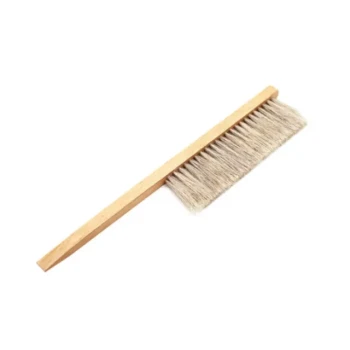
- Wooden Bee Brush with Double-Row Horsehair Bristles
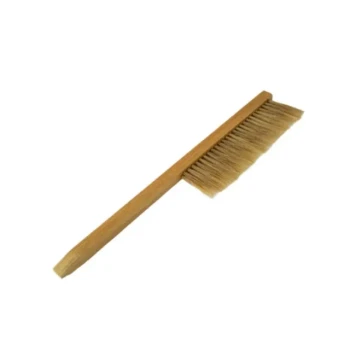
- Classic Wooden Bee Brush with Double-Row Boar Bristles
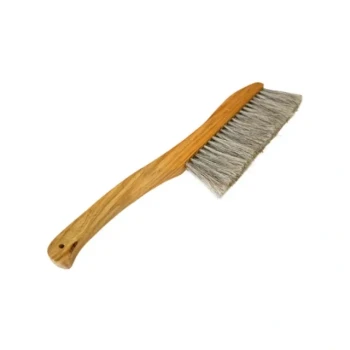
- Premium Triple-Row Horsehair Bee Brush
People Also Ask
- Why is a bee brush necessary when extracting honeybee hive frames that contain larvae? Protect Your Brood and Colony
- What is the correct way to use a bee brush and what actions should be avoided? Master Gentle Hive Management
- What are the specific functions of the bee brush and the sealed sampling bottle? Optimize Your Parasite Sampling.
- What is a bee brush and what is it used for? Master Precision Bee Removal with Gentle Sweeping Techniques
- What is a bee brush used for in beekeeping? Essential Tool for Safe Hive Inspections & Honey Harvesting