For beginner beekeepers, the definitive recommendation is to utilize full protective gloves during every hive inspection. This precaution is advised until you develop a reliable intuition for bee behavior and understand exactly which movements might disturb the colony. By wearing all available protection, you create a safety buffer that allows you to focus on learning rather than the fear of being stung.
Core Takeaway: Wearing gloves is essential for reducing beginner anxiety and building the confidence required to handle bees effectively. As your proficiency grows and you learn to "read" the hive, you can gradually transition to thinner options based on your comfort level.
The Role of Protection in Learning
Reducing Nervousness
The greatest barrier for a new beekeeper is often the fear of pain. Nervousness translates into shaky movements, which can agitate the bees.
Wearing gloves significantly reduces this anxiety. When you feel protected, your movements become calmer and more deliberate.
Establishing a Baseline for Behavior
Beginners have not yet learned what specific actions trigger a defensive response from the hive.
Using gloves allows you to make mistakes without immediate consequence. This trial-and-period is necessary to learn how to handle frames gently without disturbing the bees.
Selecting the Right Equipment
Heavy Duty Options for Maximum Safety
If your primary concern is the fear of being stung, canvas or leather gloves are the standard recommendation.
These thick materials provide a substantial barrier that stings rarely penetrate. They are ideal for the absolute novice who needs maximum reassurance.
Form-Fitting Alternatives
For those who find leather too bulky, form-fitting gloves—such as those used for lab work or household chores—are a viable alternative.
These prevent your hands from getting sticky with honey and propolis. While they offer less protection than leather, they still help reduce the frequency of stings compared to bare hands.
Understanding the Trade-offs
Protection vs. Dexterity
Thick leather gloves offer the highest protection but the lowest tactile sensitivity.
With reduced feeling in your fingers, you run the risk of accidentally crushing bees or rolling them between frames. This can release alarm pheromones, which paradoxically makes the hive more aggressive.
Hygiene vs. Breathability
Form-fitting gloves (like nitrile) provide excellent dexterity and keep your hands clean from propolis.
However, they do not breathe well and offer no protection against deep stings. You gain control and cleanliness at the cost of absolute safety.
Making the Right Choice for Your Goal
As you gain experience, your equipment choices should evolve. Use the following guidelines to determine your current needs:
- If your primary focus is overcoming the fear of stings: Start with thick canvas or leather gloves to maximize confidence and minimize anxiety.
- If your primary focus is dexterity and hive hygiene: Use form-fitting household or lab gloves to maintain a better feel for the frames while keeping hands clean.
- If your primary focus is long-term proficiency: Begin with full protection, but plan to transition to thinner gloves as you learn to read your bees' behavior.
Safety allows for confidence, and confidence is the foundation of good beekeeping.
Summary Table:
| Glove Type | Material | Key Benefit | Protection Level | Dexterity |
|---|---|---|---|---|
| Heavy Duty | Canvas/Leather | Maximum sting prevention; reduces anxiety | High | Low |
| Form-Fitting | Nitrile/Latex | Tactile sensitivity; keeps hands clean | Low | High |
| Intermediate | Goatskin | Balance of protection and feel | Medium | Medium |
Elevate Your Beekeeping Success with HONESTBEE
Whether you are a commercial apiary scaling operations or a distributor seeking high-quality supplies, HONESTBEE is your premier partner. We provide the full spectrum of professional beekeeping tools—from heavy-duty protective gear to advanced hive-making and honey-filling machinery. Our wholesale solutions are designed to enhance efficiency and safety across your entire operation.
Ready to equip your business with industry-leading gear?
Contact our expert team today to discuss your wholesale needs!
Related Products
- Beekeeping Gloves Goatskin Leather with Long Cotton Sleeve for Beekeepers
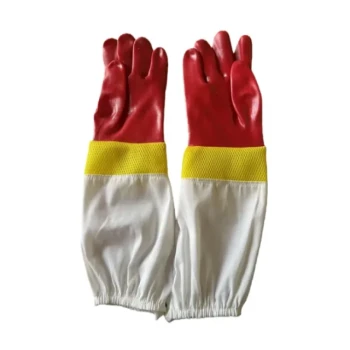
- Heavy Duty Red Rubber Beekeeping Gloves with Vented Mesh Cotton Sleeves
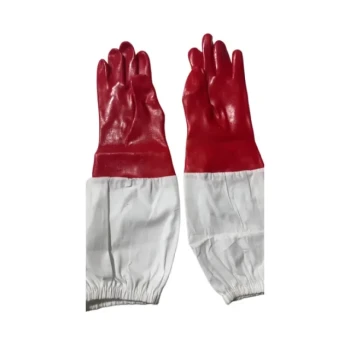
- Heavy Duty Red Rubber Beekeeping Gloves with Extended Pure Cotton Sleeves for Beekeepers
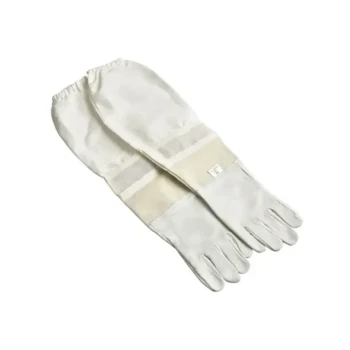
- Goatskin Leather Beekeeper Gloves with Vent Long Sleeve for Beekeeping Honey Bee Sting Proof Protection
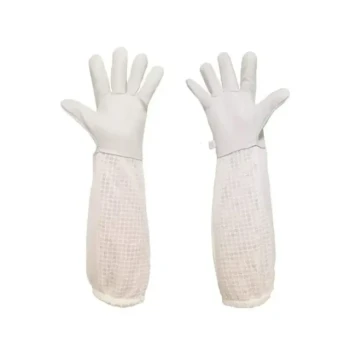
- Premium Ventilated Goatskin Beekeeping Gloves with Full 3-Layer Mesh Sleeve
People Also Ask
- What are the characteristics of the best gloves for beekeeping? Choose Protection & Dexterity
- What are the primary purposes of using beekeeping gloves? Protect Your Hands and Ensure Apiary Hygiene
- What types of gloves are available for beekeeping? Choose the Right Protection for Your Hive
- Why is it important for beekeepers to wear gloves? Essential Safety and Confidence for Hive Management
- Why do some experienced beekeepers opt not to wear gloves? Discover the Benefits of Tactile Precision