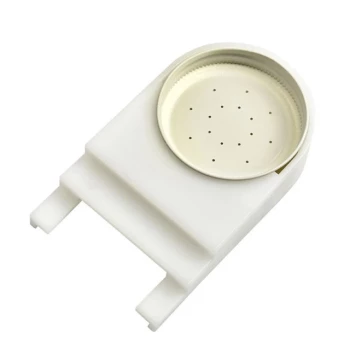
The recommended location for feeding a beehive is strictly inside the hive. To ensure colony safety, you must place feeders where the syrup is accessible only to your specific colony, completely shielding it from the outside environment.
You should avoid entrance feeders that sit externally or "open-source" feeding stations, especially during a nectar dearth.
Internal feeding is the primary defense against robbing behavior. By keeping syrup inside the hive, you prevent the scent of food from triggering aggressive frenzies among neighboring colonies, pests, and predators.
The Critical Logic Behind Internal Feeding
Preventing the "Robbing" Response
Bees are opportunistic foragers. If you place food outside or at the hive entrance, the scent attracts scout bees from other colonies.
Once these scouts locate an easy sugar source, they return with reinforcements. This leads to robbing, where invading bees attack your hive to steal resources, often killing your colony in the process.
Reducing Disease Transmission
Open-source feeding creates a localized gathering point for bees from many different colonies.
This commingling facilitates the rapid spread of diseases and mites. By feeding internally, you quarantine your bees' food source, limiting their exposure to pathogens carried by outside foragers.
Deterring Pests and Predators
Syrup located outside the hive acts as a beacon for more than just other bees.
It attracts ants, yellow jackets, and other pests that can overwhelm a colony. Internal feeders keep the food secure behind the colony's guard bees.
Strategic Timing for Feeds
The Late Afternoon Advantage
While location is paramount, timing acts as a secondary layer of security.
It is best to provide feed in the late afternoon or evening. At this time, scout bees from competing colonies are less active in their search for new food sources.
Overnight Consumption
Feeding at dusk allows your bees to consume and store the syrup overnight.
By the time morning foraging activity resumes, the volatile scent of fresh syrup has dissipated, significantly reducing the risk of attracting robbers.
Common Pitfalls to Avoid
The Risk of Entrance Feeders
Boardman (entrance) feeders are popular but risky because the jar sits outside the hive body.
This presents a high-sugar target right at the colony's front door. During a nectar dearth, this can invite an invasion that a weak colony cannot repel.
The Fallacy of Open Feeding
Leaving buckets or bowls of syrup out for the apiary allows strong colonies to dominate the resource while weak colonies get nothing.
It creates a frenzied environment that stresses the bees and encourages aggression rather than orderly foraging.
Making the Right Choice for Your Colony
To maximize colony health and minimize conflict, follow these guidelines:
- If your primary focus is preventing theft: Use top feeders or frame feeders that fit completely inside the hive bodies.
- If your primary focus is disease control: Never use communal open-feeding stations; give each hive its own dedicated internal feeder.
- If your primary focus is timing: Refill your internal feeders near sunset to minimize scent trails during peak flight hours.
Internal feeding is not just a preference; it is a bio-security measure that protects your investment from starvation, disease, and war.
Summary Table:
| Feeding Method | Recommended? | Key Benefits | Primary Risks |
|---|---|---|---|
| Internal Feeders (Top/Frame) | Yes | Maximum security, prevents robbing, controls disease. | Requires opening the hive to refill. |
| Entrance Feeders | No | Easy to monitor syrup levels. | High risk of attracting robbers and pests. |
| Open-Source Feeding | No | Less labor-intensive for the keeper. | Spreads mites/disease; favors strong colonies. |
| Late Afternoon Feeding | Yes (Timing) | Reduces scent trails during peak flight. | Minimal; requires specific timing. |
Secure Your Apiary's Success with HONESTBEE
Protecting your colonies starts with the right equipment. HONESTBEE provides commercial apiaries and distributors with high-quality, professional-grade internal feeders and beekeeping machinery designed to maximize hive health and productivity. From durable hive-making tools to efficient honey-filling machines, our comprehensive wholesale portfolio covers the full spectrum of modern beekeeping needs.
Whether you are scaling a commercial operation or supplying the industry, our expert team is ready to provide the specialized hardware and essential consumables you need to thrive.
Enhance your apiary’s bio-security today — Contact HONESTBEE for Wholesale Solutions!
Related Products
- Professional Hive Front Entrance Bee Feeder
- HONESTBEE Square Top Hive Bee Feeder Top Bee Feeder
- Classic Boardman Entrance Bee Feeder Hive Front Feeding Solution
- 3.5L Plastic Beehive Frame Feeder Deep Frame Water Feeder for In Hive Use
- Professional In-Hive Bee Feeder HONESTBEE Frame for Beekeeping
People Also Ask
- What types of bee feeders are available for beginners? Start with the Simple Entrance Feeder
- How does a bee entrance feeder work? A Simple Guide to Convenient Hive Feeding
- What is a bee entrance feeder and what are its drawbacks? Essential Guide to Hive Security and Feeding Efficiency
- How do you make an entrance feeder for bees? A Guide to Safe & Effective Hive Feeding
- How to make an entrance feeder for bees? A DIY Guide for Safe & Effective Feeding