The ideal temperature range for melting beeswax is between 143°F and 151°F (61°C–66°C). To ensure the highest quality results, you must monitor the heat carefully and ensure the wax never exceeds 170°F (77°C). Surpassing this limit degrades the material, while reaching the flashpoint of 400°F (204°C) creates an immediate fire hazard.
Core Takeaway The art of melting beeswax relies on the principle of "low and slow." While liquefaction occurs around 147°F, maintaining the temperature below 170°F is non-negotiable for preserving the wax's natural honey aroma and golden color.
The Critical Temperature Thresholds
The Melting Zone
Beeswax naturally transitions from solid to liquid between 143°F and 151°F.
For most applications, such as candle making or cosmetics, your target is simply to reach this state of liquefaction. There is rarely a technical need to push the temperature significantly higher than this range.
The Quality Degradation Point
According to expert standards, the "safety ceiling" for beeswax quality is 170°F (77°C).
Once the wax surpasses this temperature, the chemical composition begins to suffer. The first casualty is the characteristic aroma; the sweet, natural honey scent will dissipate or change.
Simultaneously, the wax will begin to discolor, often darkening or taking on a muddy appearance that ruins the aesthetic of the final product.
The Flashpoint Danger
The absolute upper limit for safety is the flashpoint, which is approximately 400°F (204°C).
At this temperature, beeswax becomes volatile and extremely flammable. It can self-ignite or catch fire from a spark. It is critical to treat beeswax with the same caution you would use for hot grease or oil.
Proper Heating Techniques
Use Indirect Heat
To control temperature effectively, you must avoid direct contact between the heat source and the wax vessel.
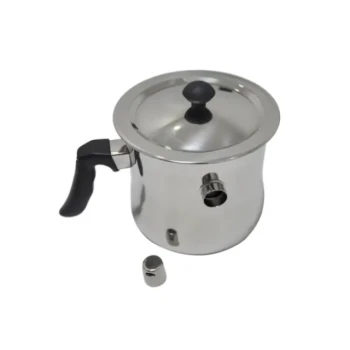
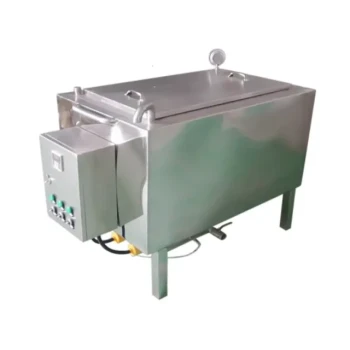
Use a double boiler (a pot inside a water bath) or an electric wax melter. This ensures the temperature of the wax cannot easily exceed the boiling point of water (212°F), providing a natural buffer against the dangerous 400°F flashpoint.
Continuous Monitoring
Because the gap between melting (145°F) and degrading (170°F) is relatively narrow, vigilance is required.
Stir the wax continuously to distribute heat evenly and prevent "hot spots" at the bottom of the container. Use a dedicated thermometer to monitor the rising temperature constantly.
Common Pitfalls to Avoid
The Trap of Direct Heat
Never place beeswax directly in a pan over a burner or open flame.
Direct heat causes rapid, uneven temperature spikes. While the top layer may still be solid, the bottom layer can easily flash over 170°F, ruining the scent and color before the rest has melted.
The Microwave Mistake
Avoid using microwaves to melt beeswax.
Microwaves heat unevenly and offer zero temperature control. This leads to localized overheating, which can ruin the wax's structure or cause dangerous splatters and messes.
Safety Violations
Never leave melting wax unattended.
Because beeswax is a fuel, it poses a significant fire risk if neglected. Additionally, never add water to hot, melted wax, as this can cause a violent eruption of hot material, similar to a grease fire explosion.
Making the Right Choice for Your Goal
- If your primary focus is Visual and Aromatic Quality: Keep your temperature strictly between 145°F and 165°F; going higher than 170°F will permanently destroy the natural scent and color you are trying to showcase.
- If your primary focus is Safety: Utilize a double boiler system exclusively; this method physically prevents the wax from reaching its flashpoint of 400°F, eliminating the risk of combustion.
Treat beeswax with the precision of a culinary ingredient—gentle heat yields the finest results.
Summary Table:
| Temperature Range | State/Threshold | Impact on Beeswax Quality |
|---|---|---|
| 143°F – 151°F | Ideal Melting Zone | Perfect liquefaction; preserves natural honey aroma and color. |
| 152°F – 170°F | Safety Buffer | Safe for processing, but nearing the threshold for degradation. |
| Above 170°F | Quality Degradation | Wax begins to darken and the natural sweet scent dissipates. |
| 400°F (204°C) | Flashpoint | Extreme danger; wax becomes volatile and can self-ignite. |
Elevate Your Beekeeping Operation with HONESTBEE
Are you looking to scale your beeswax production or upgrade your apiary's efficiency? HONESTBEE is your dedicated partner in the beekeeping industry, catering specifically to commercial apiaries and distributors.
We provide a comprehensive wholesale range, including:
- Advanced Machinery: High-precision wax melters, honey-filling machines, and hive-making equipment.
- Quality Tools: A full spectrum of durable beekeeping hardware and essential industry consumables.
- Cultural Merchandise: Unique honey-themed products to expand your retail portfolio.
Whether you need robust equipment or a reliable supply chain for consumables, we deliver the value you need to grow. Contact HONESTBEE today to discuss our wholesale offerings and how we can support your business goals.
Related Products
- Beeswax Melter for Candle Making Honey Bee Wax Melter
- Solar Beeswax Melter Easy Solar Wax Melter for Beeswax
- Steam Beeswax Melter Wax Warmer for Wax Processing
- Electric Commercial Beeswax Melter for Factory Use
- Professional Stainless Steel Wax Melter for Beekeeping and Crafts
People Also Ask
- What is the best way to melt beeswax? Safely Preserve Quality with Indirect Heat
- What is the best way to melt beeswax? Use a Solar Wax Melter for Simple, Pure Results
- What types of beeswax melters are available for beekeepers? Choose the Right One for Your Operation
- What safety precautions should be taken when melting beeswax? A Guide to Flammable Wax Handling
- What types of beeswax melters are available for different scales of beekeeping? Solar vs. Electric Melters Compared