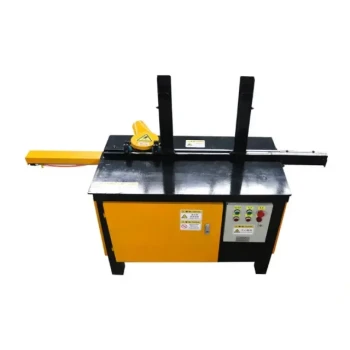
Industrial-grade hive-making machinery serves as the infrastructural backbone of modern apiaries by utilizing high-precision woodworking to ensure exact standardization and structural integrity across thousands of units. This technology creates a controlled growth environment that minimizes colony losses caused by inconsistent build quality. Ultimately, it establishes the necessary hardware foundation required to transition from traditional methods to large-scale, mechanized beekeeping operations.
By replacing manual variability with mechanical precision, industrial machinery ensures that every hive component is interchangeable and structurally sound. This standardization is the prerequisite for rapid colony expansion, automated management, and the long-term economic viability of commercial beekeeping.
The Operational Mechanics of Standardization
Achieving Component Interchangeability
For large-scale operations, the ability to swap parts between hives without modification is critical. Industrial machinery guarantees that dimensional accuracy is perfectly consistent across hives and internal frames. This interchangeability drastically reduces maintenance costs, as equipment can be rotated across different apiary sites effortlessly.
Enabling Mechanized Management
Manual variances in hive dimensions can jam automated processing lines or complicate transport. Precision-machined components provide the reliable infrastructure necessary for clustered, mechanized beekeeping. This uniformity facilitates the use of standardized tools, such as queen excluders, and streamlines logistics for commercial honey producers and pollination services.
Facilitating Rapid Expansion
Scaling an apiary requires hardware that can be deployed immediately without fitting or adjustment. Automated manufacturing enables the high-speed production of standardized parts. This allows operations to expand colony counts rapidly to meet seasonal demands without being bottlenecked by equipment shortages or manufacturing defects.
Biological Impact on Colony Health
Stabilizing the Microenvironment
A hive is not just a box; it is a biological envelope. Precision construction ensures that hives meet specific requirements for ventilation and moisture control, which is essential for organic standards. A well-constructed physical structure helps the colony maintain a stable internal climate, which is vital for overwintering and spring development.
Strengthening Physical Defenses
Structural gaps caused by poor manufacturing can become entry points for pests. High geometric accuracy ensures tight seals, improving the colony's defensive efficiency against physical intruders like the Greater wax moth. By eliminating structural weaknesses, the machinery indirectly supports the biological integrity of the hive.
Supporting Pathogen Control
Standardized internal geometries create a predictable environment for implementing health protocols. When every hive has the exact same internal layout, pathogen monitoring and control measures become more effective and easier to replicate across the entire apiary.
Understanding the Trade-offs
High Initial Capital Expenditure
Transitioning to industrial-grade machinery requires a significant upfront investment compared to manual assembly or sourcing lower-grade equipment. The Return on Investment (ROI) relies heavily on the scale of the operation; for small hobbyists, the cost of such precision technology may outweigh the efficiency gains.
Systemic Manufacturing Risks
While machinery eliminates random manual errors, it introduces the risk of systemic errors. If a machine is calibrated incorrectly, every single component produced will be flawed in exactly the same way. This necessitates rigorous quality control protocols to prevent large batches of unusable inventory that could jeopardize colony housing.
Making the Right Choice for Your Goal
To maximize the value of industrial hive-making machinery, align your equipment strategy with your specific operational focus:
- If your primary focus is Rapid Expansion: Prioritize machinery that guarantees total interchangeability of frames and boxes to eliminate assembly bottlenecks during growth phases.
- If your primary focus is Disease and Pest Control: Select equipment capable of high-tolerance sealing to optimize the internal microenvironment and physically block intruders like wax moths.
- If your primary focus is Commercial Logistics: Focus on standardization specifications (such as Langstroth) that facilitate cross-regional transport and compatibility with automated processing lines.
Precision in manufacturing is not merely about aesthetics; it is the critical variable that allows an apiary to evolve from a collection of hives into a scalable industrial operation.
Summary Table:
| Key Role | Primary Benefit | Operational Impact |
|---|---|---|
| Component Interchangeability | Eliminates manual fitting | Drastically reduces maintenance and repair costs |
| Precision Construction | Optimizes microenvironment | Improves overwintering success and disease control |
| High-Speed Production | Rapid hardware deployment | Facilitates quick colony expansion and scalability |
| Geometric Accuracy | Tighter structural seals | Strengthens defenses against pests like the wax moth |
| Standardized Specs | Universal compatibility | Streamlines transport and automated honey processing |
Scale Your Beekeeping Operation with HONESTBEE Precision
Transitioning to large-scale, mechanized beekeeping requires more than just tools—it requires an industrial foundation. HONESTBEE empowers commercial apiaries and distributors with the high-precision machinery needed to ensure total standardization across thousands of units.
From industrial hive-making and honey-filling machines to a full spectrum of beekeeping hardware and essential consumables, we provide the end-to-end solutions your business needs to reduce labor costs and maximize colony health.
Ready to industrialize your honey production? Contact us today to explore our wholesale offerings and see how HONESTBEE can build the future of your apiary.
References
- Alla Chmil. DYNAMICS OF PRODUCTION AND EXPORT OF HONEY IN UKRAINE. DOI: 10.32782/2413-9971/2019-28-55
This article is also based on technical information from HonestBee Knowledge Base .
Related Products
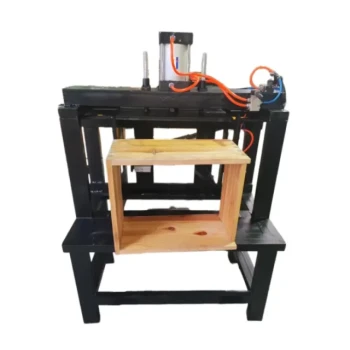
- High-Efficiency Pneumatic Bee Hive Making Machine for Rapid Box Assembly
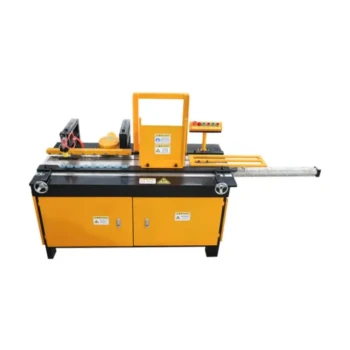
- Beehive Handle and Frame Rest Cutting Machine: Your Specialized Hive Machine
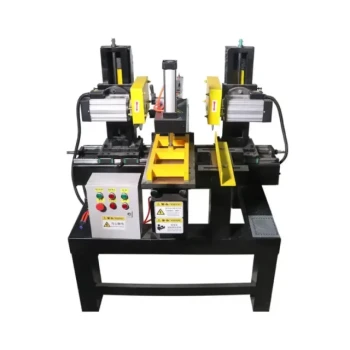
- Beehive Machine Double End Saw for Precision Hive Component Manufacturing
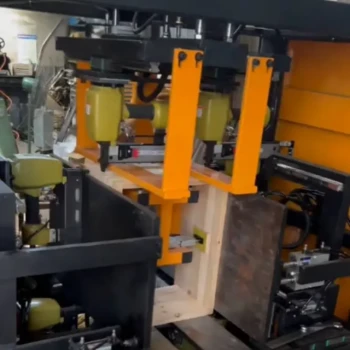
- Automatic High-Speed Bee Hive Box Stapling Machine
- Mini Desktop Bee Hive Frame Forming Making Machine
People Also Ask
- How does the introduction of professional beehive-making machinery benefit sustainable beekeeping? Scale Your Apiary
- Why is specialized beehive-making machinery critical for low-defense breeding? Enhance Selection with Precision Tools
- How does the introduction of specialized beehive making machinery contribute to increasing the scale of regional beekeeping industries?
- What is the importance of specialized beehive making machinery in a circular bio-economy? Build Local Sustainability
- Why is specialized beehive-making machinery essential? Scale Your Apiary with Precision Industrial Standards