Temperature-controlled heating equipment is the foundational technology used to transform raw, crude honeycomb into refined beeswax. By applying precise thermal regulation, this machinery liquefies the wax to facilitate the filtration of organic debris and impurities without altering the substance's chemical structure. This controlled process ensures the final product achieves the uniform color and stable physical properties required for high-value cosmetic, pharmaceutical, and industrial applications.
Core Takeaway: The value of temperature control lies in prevention as much as processing. While heat is necessary to melt wax for filtration, precise regulation is what prevents oxidative degradation, ensuring the wax remains pure enough for high-end commercial use.
The Mechanics of Purification and Recovery
Achieving the Ideal Fluid State
The primary function of heating equipment is to bring beeswax to a specific fluid state. Raw beeswax has a high melting point, and without consistent heat, it remains too viscous to process.
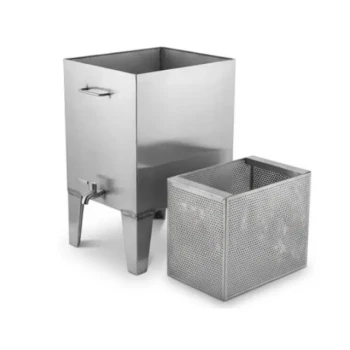
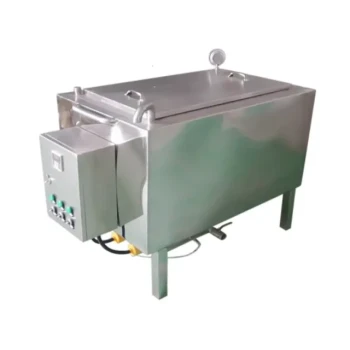
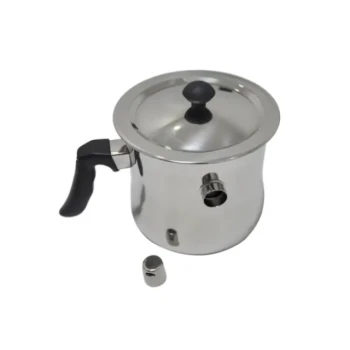
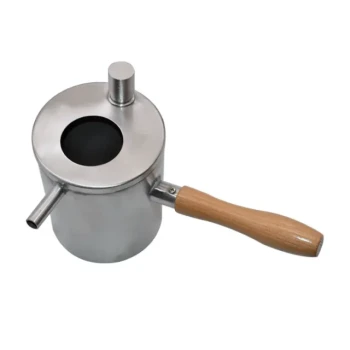
Professional equipment, such as constant-temperature wax melting kettles, maintains the wax at a precise temperature threshold. This allows the wax to flow freely through fine filtration systems.
Separation of Organic Contaminants
Raw material, such as old combs or cappings, contains significant amounts of non-wax debris. This includes pollen, larval molting residues, and bee parts.
Through mechanisms like industrial steam heating, the equipment melts the wax, causing it to separate from these organic and inorganic wastes. The liquefied wax passes through filters, while the heavier or solid impurities—often referred to as "slumgum"—are precipitated out.
Waste-to-Resource Conversion
This technology allows beekeepers to monetize what was previously considered waste. By processing old combs and cappings, operators can extract pure wax blocks.
This creates a secondary revenue stream beyond honey sales. It transforms low-value hive byproducts into a marketable commodity ready for industrial purchase.
Preserving Quality Standards
Preventing Oxidative Degradation
The most critical role of temperature control is protecting the wax’s chemical integrity. Beeswax is sensitive to high heat; uncontrolled heating can lead to oxidative degradation.
Refining equipment provides specific thermodynamic conditions that melt the wax without "burning" it. This preservation of natural characteristics is essential for maintaining the wax's antibacterial activity and film-forming properties.
Ensuring Uniformity and Stability
For beeswax to be sold to pharmaceutical or cosmetic industries, it must meet strict standardization requirements. Inconsistent heating leads to discoloration and unstable physical properties.
Automated thermal processing ensures every batch has uniform color and texture. This consistency allows the wax to meet the rigorous grading standards required for lipsticks, creams, and medical polishes.
Understanding the Trade-offs
The Risk of Thermal Damage
While heat is the tool for purification, it is also the primary risk factor. Exceeding the optimal temperature range, even briefly, can permanently darken the wax and strip it of volatile aromatic compounds.
Equipment Complexity vs. Yield
High-end constant-temperature systems are significant investments compared to simple melting techniques. However, manual or uncontrolled methods often result in lower yields because wax remains trapped in the "slumgum" or is lost to evaporation and spillage.
Operators must balance the capital cost of precision equipment against the long-term value of higher purity and increased yield.
Making the Right Choice for Your Goal
To maximize the utility of your beeswax processing setup, consider your end-market requirements.
- If your primary focus is Pharmaceutical or Cosmetic Sales: Prioritize equipment with advanced multi-stage filtration and precise thermal modulation to prevent oxidation and ensure absolute purity.
- If your primary focus is Industrial Candle Manufacturing: Focus on high-throughput steam heating systems that maximize the volume of wax recovered from old combs and cappings.
- If your primary focus is Waste Reduction: Select robust melting kettles designed specifically to separate wax from heavy organic loads (pollen and debris) to minimize waste volume.
Success in beeswax recovery depends ultimately on using heat not just to melt, but to refine without destroying.
Summary Table:
| Feature | Function in Beeswax Processing | Benefit to the Operator |
|---|---|---|
| Precise Thermal Regulation | Maintains wax at the ideal fluid state without overheating. | Prevents oxidative degradation and discoloration. |
| Multi-stage Filtration | Separates liquefied wax from pollen, cocoons, and debris. | Produces high-purity wax for pharmaceutical/cosmetic use. |
| Constant-Temperature Kettles | Provides uniform heat distribution throughout the batch. | Ensures stable physical properties and consistent texture. |
| Industrial Steam Heating | Rapidly melts large volumes of raw combs and cappings. | Increases recovery yields and creates secondary revenue. |
| Waste-to-Resource Tech | Extracts residual wax from "slumgum" or waste materials. | Minimizes waste while maximizing commodity output. |
Maximize Your Apiary’s Revenue with HONESTBEE Professional Equipment
Don't let valuable beeswax go to waste due to improper heating. At HONESTBEE, we specialize in empowering commercial apiaries and distributors with high-performance beeswax recovery systems. From precise constant-temperature melting kettles to advanced hive-making and honey-filling machinery, our comprehensive wholesale catalog provides the tools you need to achieve pharmaceutical-grade purity.
Partner with HONESTBEE to:
- Enhance Yield: Extract every drop of wax from old combs and cappings.
- Ensure Quality: Prevent oxidation with industry-leading thermal modulation.
- Scale Production: Access a full spectrum of beekeeping hardware and essential consumables.
Ready to elevate your processing efficiency? Contact our expert team today to discuss how our specialized machinery can transform your hive byproducts into high-value assets.
References
- María Fernanda Miranda Salazar, Luis Antonio Velasco Matveev. Proposal for the Production and Marketing of Beekeeping Products. DOI: 10.18502/espoch.v2i2.11194
This article is also based on technical information from HonestBee Knowledge Base .
Related Products
- Steam Beeswax Melter Wax Warmer for Wax Processing
- Electric Commercial Beeswax Melter for Factory Use
- Beeswax Melter for Candle Making Honey Bee Wax Melter
- Professional Electric Honey Uncapping Knife with Heated Digital Temperature Control for Beekeeping
- Electric Beeswax Flat Sheet Machine with Operating Tray for Wax Processing
People Also Ask
- How does a steam wax melter work? A Fast, Efficient Method for High-Quality Wax
- How does a professional steam wax melter optimize the recovery of beeswax? Maximize Yield & Hygiene for Your Apiary
- What are the steps to use a steam wax melter? Master Safe & Efficient Wax Rendering
- How do steam wax melters function in the disinfection of apiary equipment? Achieve Chemical-Free Organic Sterilization
- How do you operate a steam wax melter? Master Efficient Wax Extraction and Frame Sterilization